Reds Call Up Rodríguez Ahead of A's Series, Signal Outfield Overhaul Down the Stretch
By Ty Whitney ·
Cincinnati promotes its top outfield prospect for his debut, signaling a shift away from veteran depth and toward developmental upside in the final two months.
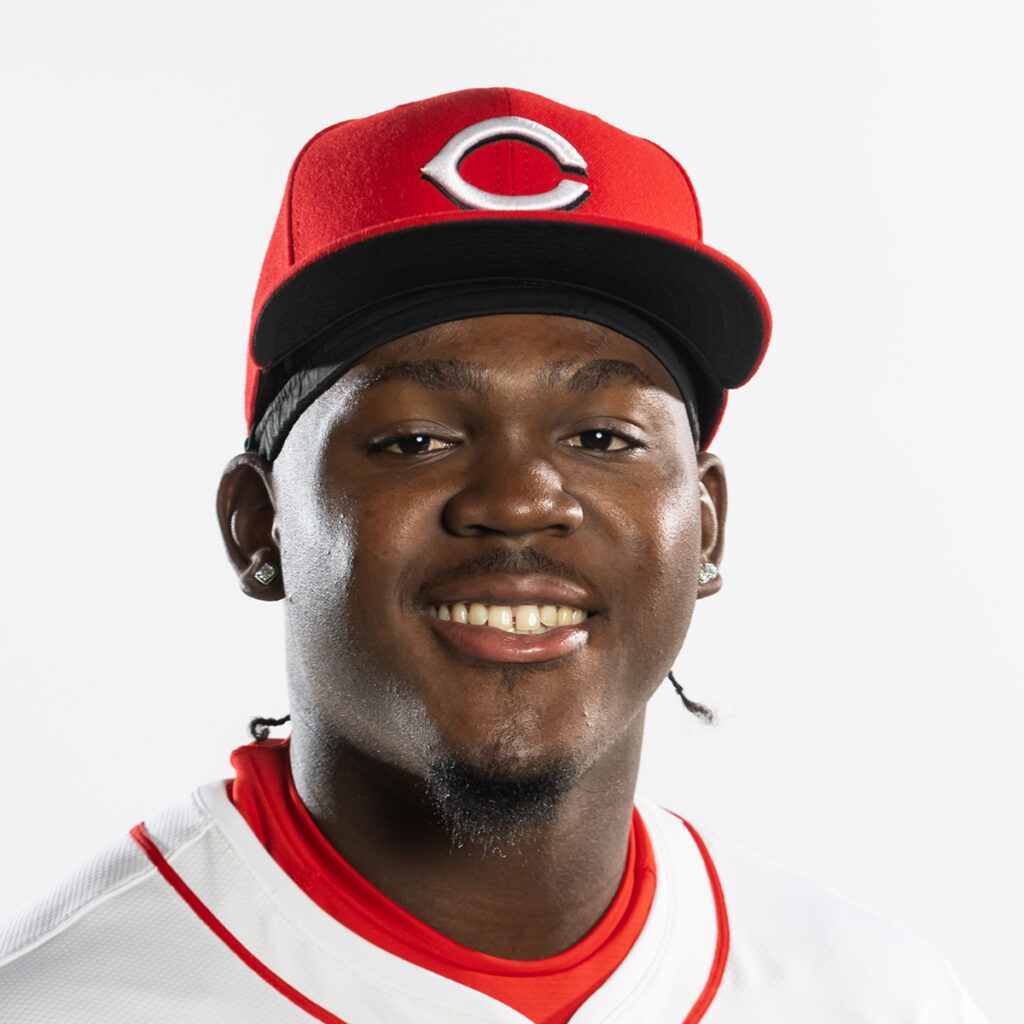
The Reds will promote outfield prospect Héctor Rodríguez for his MLB debut before Tuesday's game against Oakland, with president of baseball operations Nick Krall announcing the move on Monday evening. The 23-year-old prospect already held a 40-man roster spot; Cincinnati created the necessary bench vacancy by trading veteran Nathaniel Lowe to Cleveland earlier in the day. The timing and mechanics of the move reveal both short-term flexibility and longer-term roster conviction.
Rodríguez's promotion arrives at an inflection point in Cincinnati's season. With roughly two months remaining, the Reds are pivoting from veteran depth—Lowe had served as a utility contributor—toward evaluating younger talent in live competition. The move dovetails with the team's apparent outfield construction: reports from the field suggest the starting unit will crystallize around Brent Dunn, Nick Bleday, Wander Myers, and now Rodríguez. This lineup represents a wholesale departure from the club's earlier-season veteran-first approach, indicating that the organization has either accepted its current win-loss trajectory or has decided that development capital outweighs marginal wins down the stretch.
From a roster architecture standpoint, the Lowe trade (even at mid-deadline, even for modest return) functionally removed a sunk cost and unlocked a promotion without forcing a 40-man crunch. That efficiency suggests the front office had already allocated mental bandwidth to Rodríguez's call-up; the trade was the permission slip, not the trigger. Krall's direct announcement—rather than a buried transaction—also signals confidence in the prospect's readiness, a rare institutional tell in modern baseball.
For prop bettors, the immediate angle is shallow: Rodríguez is a debut-day unknown, with no track record in major-league competition to build a line around. Books will likely price his box props (hits, runs, RBIs) conservatively and high-variance, reflecting genuine uncertainty rather than strong public opinion. The sharper angle emerges if Rodríguez gets consistent at-bats over the next 4-6 weeks. If he posts an OPS north of .750 or a strikeout rate under 25%, the market will be forced to price him into regular-season player props at mid-2027 pricing—a lag that creates edges for early adopters. Conversely, if he struggles or platoons heavily, his props will crater into the .400 OPS range and stay there. The binary outcome means there's little true "value" on his debut line itself; the edge lies in monitoring his September usage and building conviction on his role going forward.
The Reds' broader message is clearer: this is a development-first finish, not a win-at-all-costs sprint. That philosophical stance should inform how bettors treat Cincinnati's team totals and run lines over the next two months. The Reds are no longer optimizing for today's game; they're optimizing for October 2027. Smart money should account for that shift in how the front office allocates playing time.