Arroyo's Debut Doesn't Change Reds' Shortstop Math
By Ty Whitney ·
Cincinnati's prospect fill-in is a quality long-term asset, but De La Cruz's hamstring injury reshapes the near-term lineup construction and steal-heavy offense.
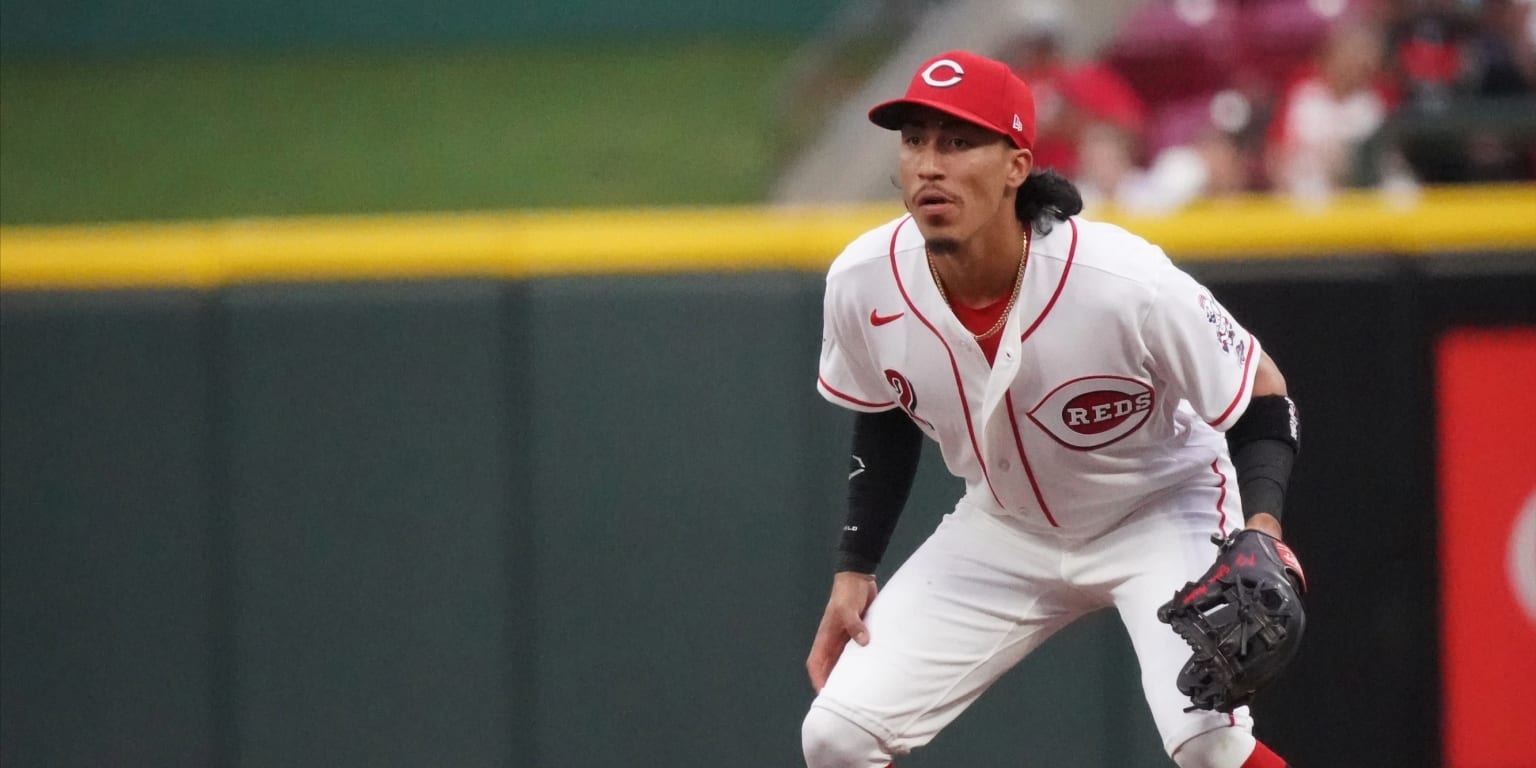
Edwin Arroyo went from asleep in his Louisville apartment to a big league debut in three hours Monday, and he made the most of his first night: a first-pitch single in the ninth inning off Royals reliever Eli Morgan, capping a humbling introduction that began with three straight strikeouts. The Reds called up their No. 3 prospect after All-Star shortstop Elly De La Cruz hit the 10-day injured list with a right hamstring strain, a blow that forces a lineup reshuffle at a position Cincinnati was counting on for speed and offensive production down the stretch.
Arroyo's credentials are legitimate. The 22-year-old switch-hitter has posted a .323 average with a .945 OPS, 11 home runs and 34 RBIs across 53 games at Triple-A Louisville this season—elite production for a prospect-level player—and was acquired as a core piece of the 2022 Luis Castillo trade from Seattle. His glove is advanced; he ranged far to his left in the second inning Monday to field a grounder and turn a double play, the kind of instinctive play that suggests his upside at the position. Manager Terry Francona deployed him at second base rather than short in the debut, signaling that Arroyo is viewed as a utility piece rather than a shortstop replacement. Matt McLain shifted to the point, a defensive accommodation that muddles the Reds' offensive identity.
That identity relies heavily on De La Cruz's stolen bases and aggressive baserunning. De La Cruz has swiped 24 bags this season—fourth in the National League—and his threat creates spacing and gap opportunities for the lineup. Arroyo is a switch-hitter with decent speed (he stole 15 bases in 120 games at Double-A last season), but he's not a theft threat in the same category. The Reds will operate a more conservative steal rate and offensive pace with Arroyo in the lineup, which compounds an already-difficult injury: Cincinnati loses a dynamic bat and base-stealer simultaneously.
For prop bettors, De La Cruz's absence should reshape team-total and run-line approaches for the next 10 days, and possibly longer if the hamstring lingers. The Reds averaged 4.6 runs per game in De La Cruz's last 30 games; that figure will contract with a less-dynamic leadoff-adjacent bat and fewer manufactured runs via stolen bases. The team's first-inning scoring rate—a leverage spot where speed matters most—should decline noticeably. Look to fade Reds team totals set at 4.5 or higher until De La Cruz returns to a full workload, as the offense loses both gap-hitter value and on-base engineering.
Arroyo's debut is a nice narrative and a legitimate long-term asset for the franchise, but his arrival masks a real depth problem: Cincinnati doesn't have a ready replacement for De La Cruz's dual role as run-scorer and base-stealer. Arroyo will play and contribute, but the lineup is functionally weaker over the next 10 days, and the betting market should price that reality accordingly.