Hunter Greene's Trade Market Just Opened—And It's Reshaping Cincinnati's Deadline
By Ty Whitney ·
Multiple contenders are circling the Reds' dominant right-hander, forcing a decision that could define how aggressively Cincinnati sells at the deadline.
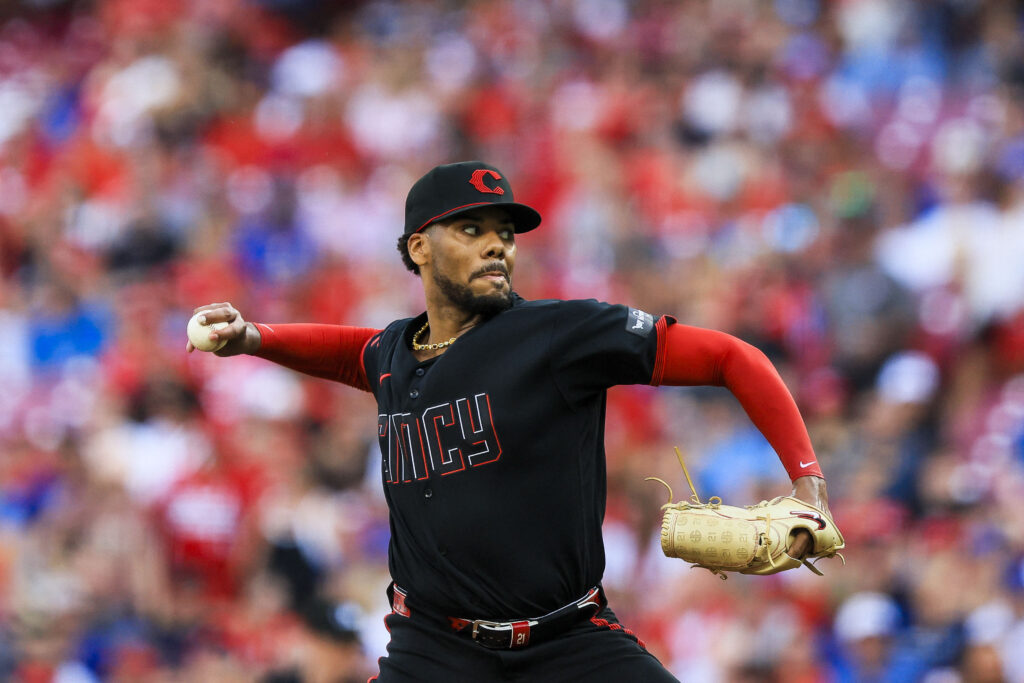
Hunter Greene is being actively pursued by multiple contenders, according to reports from Ken Rosenthal at The Athletic, Mark Feinsand at MLB.com, and Buster Olney at ESPN. The Reds' right-hander has drawn this level of interest because he checks three boxes that acquiring teams prize: Cincinnati is in seller mode, Greene performs at an elite level when healthy, and his contract structure doesn't demand a king's ransom in return. That combination is rare enough in July that serious bidders are already engaged.
Greene's surface dominance masks an injury history that has shaped his value proposition. He owns a sub-3.00 ERA when on the mound, but availability has been the constraint—missed stretches have kept his workload down relative to his ceiling. For contenders, that risk-reward calculus is manageable because they're renting his stuff for a playoff push, not building around him long-term. A team acquiring Greene doesn't need him healthy in September 2027; they need him sharp in October 2026. That recalibration of timeline actually improves his trade value.
Cincinnati's willingness to listen signals that ownership has reconciled itself to a full rebuild window. The Reds aren't in a position to absorb a losing season and still remain competitive next year—the gap is too wide. Moving Greene while his injury concerns remain priced at a discount (compared to a healthy five-year track record) is the sharper organizational move than holding and hoping for a September turnaround that doesn't materialize.
For bettors, Greene's trade status creates two immediate prop considerations. First, any Greene strikeout props—either per-game or season totals—carry heightened variance until a deal is either announced or the deadline passes. A move resets his pitcher matchups, workload distribution, and bullpen context; projections built on his Reds usage don't survive a trade. Second, Reds team totals become more volatile. If Greene moves to a contender, Cincinnati's rotation weakens materially, which should lower their run-projection and stretch their odds as underdogs in remaining July and August games. The impact scales with how many Greene starts remain on the Reds' schedule before the deadline—fewer remaining starts means less exposure, lower impact on team totals.
The market signal here is actionable: avoid locking into Reds team totals or Greene strikeout props until the trade deadline passes or the team officially removes him from commerce. Single-game props on Cincinnati games featuring Greene carry a hidden event risk (trade announcement mid-series) that the books price as baseline volatility, not deadline risk. Wait for clarity.