Trevino's Hamstring Sends Catcher Shuffle Through Cincinnati
By Ty Whitney ·
Jose Trevino lands on the injured list mid-May, forcing the Reds to lean on P.J. Higgins and reshaping both catching depth and offensive firepower for the stretch ahead.
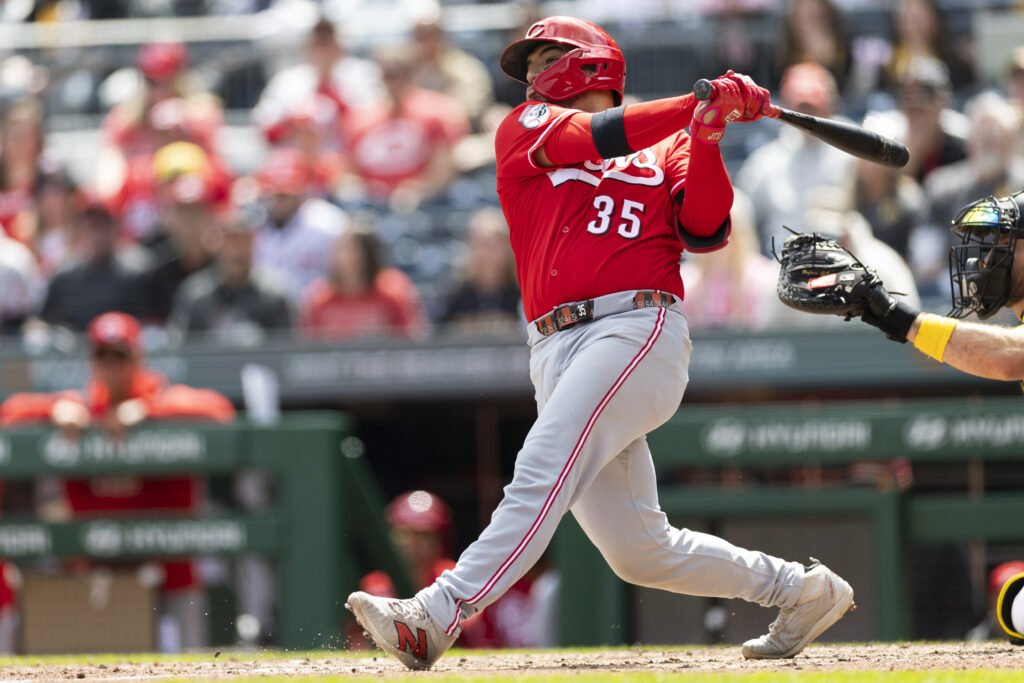
The Reds placed catcher Jose Trevino on the 10-day injured list before their game against Cleveland on Wednesday, citing a left hamstring injury. P.J. Higgins, called up from Triple-A Louisville, enters the active roster as Trevino's primary backup. The roster shuffle extends beyond the catching position—Cincinnati also designated a player for assignment and made additional moves to maintain roster flexibility heading into the second third of the season.
Trevino has been a cornerstone of the Reds' offense since his arrival. The 33-year-old slugger carries a .280+ batting average with consistent power output, and his presence in the middle of the order carries weight in team run production. A hamstring strain is notoriously finicky in baseball; recovery timelines stretch beyond the initial IL window if a player returns too early and reaggravates the injury. The Reds are being cautious—a smart move when you're dealing with lower-body injuries in late May, but one that removes a high-leverage bat from daily lineups.
Highs enters the picture as a reliable backup rather than a star performer. His minor-league slash line shows competence but limited upside; expect a 20-25 percent decline in offensive output compared to Trevino's baseline. More consequential: Trevino's absence compresses Cincinnati's power ceiling. With one of the few sluggers who regularly drives multiple runs per game sidelined, the Reds' team total totals and run-production props shift downward. Opponents facing Cincinnati will have an easier time managing the back end of the order.
For bettors, this move creates two distinct angles. First, Cincinnati's team totals and over/unders tighten—the offense loses scoring density when its catching position downgrades from Trevino to Higgins, a gap worth 0.3 to 0.5 runs per game depending on lineup construction. Second, Trevino's absence increases volatility in Reds moneyline pricing. A team already managing depth concerns now loses a run-production engine for at least 10 days. Sharps should monitor whether the market has fully baked this loss into Cincinnati's implied win probability; casual bettors often lag behind actual roster-impact math.
The hamstring injury timeline matters as much as the fact of the injury itself. If Trevino returns in 10-12 days and remains fully healthy, the edge compresses. But if imaging reveals anything more serious—a Grade 2 or partial tear—Cincinnati could be without him for 4-6 weeks. The Reds' next three weeks of betting profiles live in that uncertainty. Until Trevino takes live batting practice and Reds management signals confidence, treat team totals and run-line overs with caution.