Chase Burns locks in $105M through 2033: what the Reds' extension means for his workload and strikeout ceiling
By PropBetEdge Editorial Team ·
Cincinnati's commitment to its ace reveals how the organization views his durability—and why bettors should recalibrate expectations around his pitch usage and innings depth.
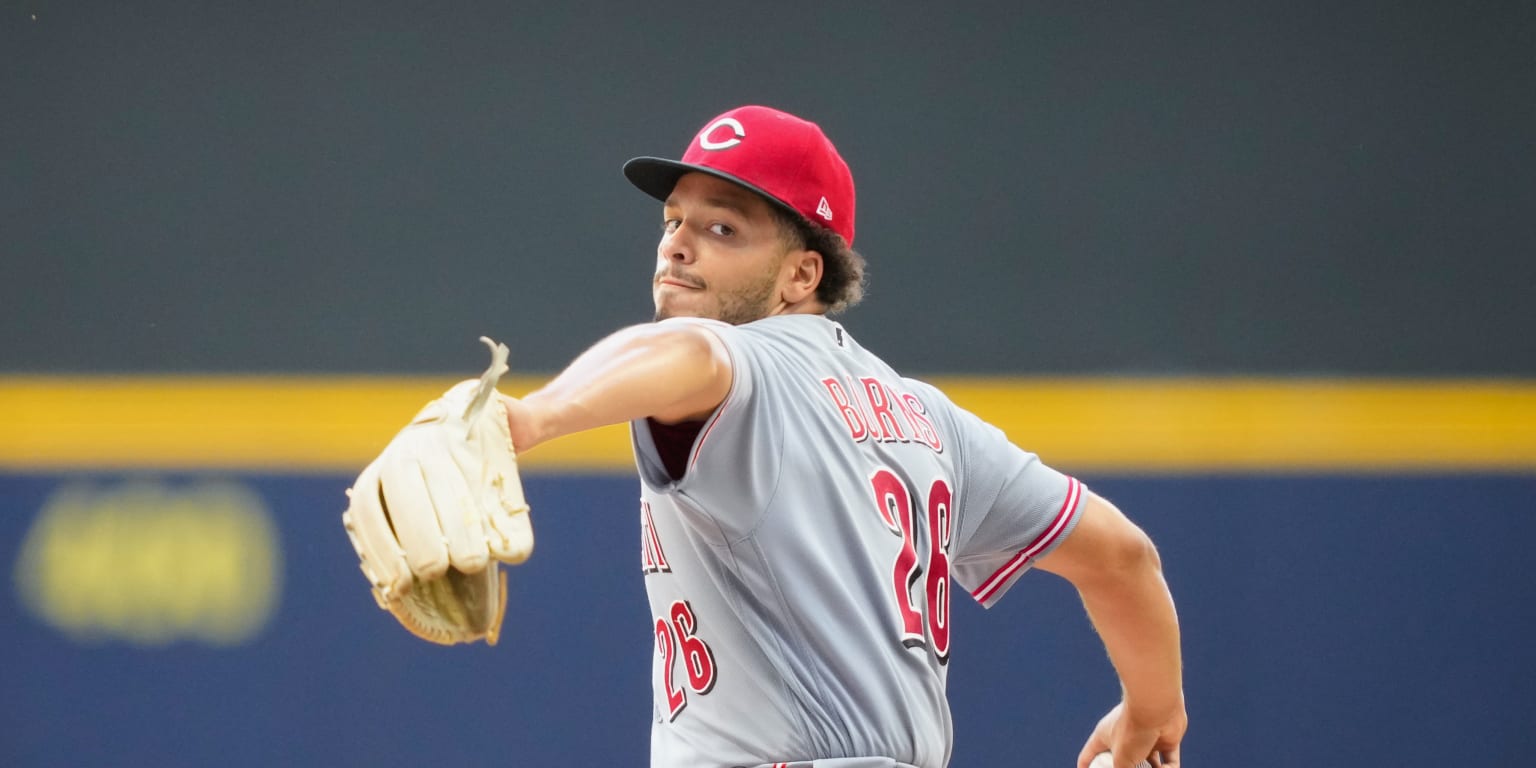
The Reds announced Saturday that they've signed starting pitcher Chase Burns to a seven-year, $105 million extension running through 2033, anchoring their rotation through the early 2030s. At 23 and in his second professional season, Burns has earned the security: he's 11-1 with a 2.54 ERA across 18 starts and 102⅔ innings, capped off an All-Star selection this year. The contract contains no deferrals or option years, meaning Cincinnati is betting on both his health and his trajectory as an unambiguous core piece.
The deal's structure—straight dollars, no escape hatches—sends a signal about how the organization assesses his injury risk profile. Burns did sit out Tuesday's All-Star Game due to a tight right groin strain that emerged after his July 8 start against Philadelphia, but the team has indicated he should be ready for his next scheduled turn this Tuesday against Seattle. Early-career pitchers on nine-figure extensions often face scrutiny over workload management; teams become more protective of long-term assets as the guaranteed money accumulates. That protection can show up in reduced innings per start, earlier hook points in high-leverage situations, or strategic rest days between turns.
From a betting lens, Burns' strikeout and innings depth props are now in play with fresh context. Over his 18 starts, Burns has struck out 8.2 per nine innings—elite production for a second-year arm—but the Reds' incentive to preserve him through seven seasons may dampen his pitch count ceiling. Relief usage patterns shift when a team has committed this capital to a young starter; Cincinnati is unlikely to push him into the 110+ pitch territory routinely if they can avoid it. His July 8 groin issue, though characterized as manageable, adds another layer: velocity and strikeout rates often dip slightly after soft-tissue aggravations, even when returning to action on schedule.
The market has not yet absorbed the full workload implications of this deal. Sportsbooks will continue pricing Burns' strikeout props based on his elite per-nine rate, but the Reds' contractual commitment to his longevity may compress his average pitch count and inning depth per start over the next two seasons. Bettors holding early-season Burns K props should expect tighter selection as the book recognizes the organizational shift toward controlled deployment. Conversely, those fading his strikeout props on the basis of durability preservation have a durable edge—not because of a single outlier performance, but because Cincinnati's seven-year, no-escape commitment creates a structural incentive to manage his usage that did not exist before.