Red Sox Break 95-Game Losing Stretch With 12-Game Win Streak; Abreu's Power Ignites Rally Angles
By Ty Whitney ·
Boston has emerged from 95 consecutive games at or below .500 on the back of a 12-game winning streak, with Wilyer Abreu's sudden power surge rewriting the offensive ceiling for rest-of-season projections.
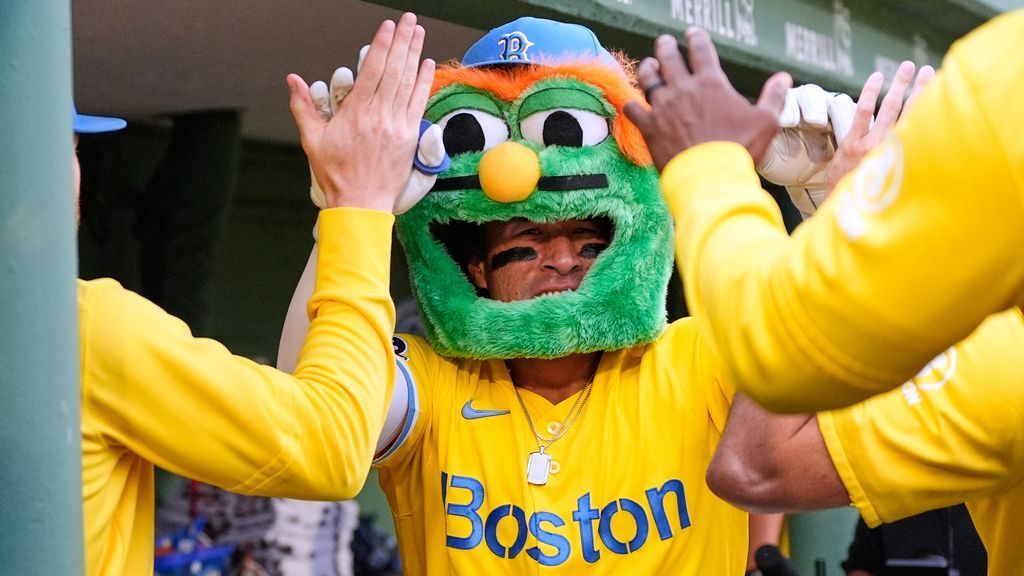
The Boston Red Sox extended their winning streak to 12 games Saturday with a 7-6 comeback victory over Tampa Bay, rallying from a 6-3 deficit in the seventh inning to clinch the margin. Wilyer Abreu hit two home runs in the contest—the second a go-ahead two-run shot off Garrett Cleavinger that capped a four-run rally—giving him four homers in his last two games. The 12-game streak ties the third-longest winning streak in franchise history and ends a 95-game drought below the .500 mark that stretched from the season opener through today.
Abreu's emergence represents the sharpest offensive catalyst Boston has generated this season. After missing 2025 recovering from Tommy John surgery, starting pitcher Patrick Sandoval is executing his planned ramp—Saturday marked his second start post-recovery—but the offense remained moribund until Abreu's bat ignited. Two home runs in Friday's doubleheader nightcap, then two more Saturday, signals either a dramatic talent reassessment or a single-player variance spike that typically contracts over the next 10-15 games. The Red Sox offense has underperformed xwOBA projections consistently this season; Abreu's isolated power output over two games doesn't yet constitute evidence of persistent skill improvement across the lineup.
The winning streak itself carries real weight for playoff positioning, but the underlying mechanics matter for betting. Boston's ability to climb back into games—they've won eight of the 12 via one-run or two-run margins—suggests improved clutch plate discipline or late-inning bullpen stability. Ryan Watson earned his first major league win pitching two innings Saturday, and Aroldis Chapman notched his 21st save. The bullpen workload is becoming relevant: if this streak extends another game or two, fatigue in the late innings could compress Boston's moneyline odds while simultaneously extending the variance window for their run-scoring props.
For prop-betting mechanics, Abreu's power trajectory is the immediate tell. His four home runs in 48 hours places him in the 97th percentile of two-game power output; regression to his seasonal baseline is mathematically likely within one week. Bettors should treat Saturday's Abreu home run prop as an overcorrection point—the market will likely overprice his next home run odds (probably 1.25+ evens or higher) based on recency. Fade those props at standard -110. Conversely, Boston's team total for Sunday's series finale should tick upward if Abreu bats cleanup again, but the edge isn't in betting the same angle twice; it's in recognizing that a 12-game streak built on recent power variance requires underlying pitching or defensive improvement to sustain. Ian Seymour, who started for Tampa Bay, allowed six runs in his previous outing and lasted three innings Saturday—Boston may face a less equipped starter Sunday, which would justify moderate overweighting of Red Sox team totals in the 4.5-5.0 range.
The win streak extends through the All-Star break (which falls approximately two weeks from now) if Boston wins tomorrow; that changes the narrative trajectory for the second half. But narratives are free. The tradeable edge is isolating which components of this 12-game run are sustainable (bullpen effectiveness, clutch at-bats with runners in scoring position) versus which are noise (Abreu's power spike, pitching health after a season of missed time). For Sunday's matchup, lean cautiously into Red Sox team totals if the opposing starter carries lower recent run allowance; otherwise, treat the streak as context, not predictive.