Red Sox Bullpen Overhaul at Deadline: Miller's Strikeout Rate Sets Up High-Leverage Props
By Ty Whitney ·
Boston acquires a power lefty reliever to strengthen its late-inning arsenal, signaling confidence in a playoff push that carries immediate implications for strikeout volume and game-flow betting.
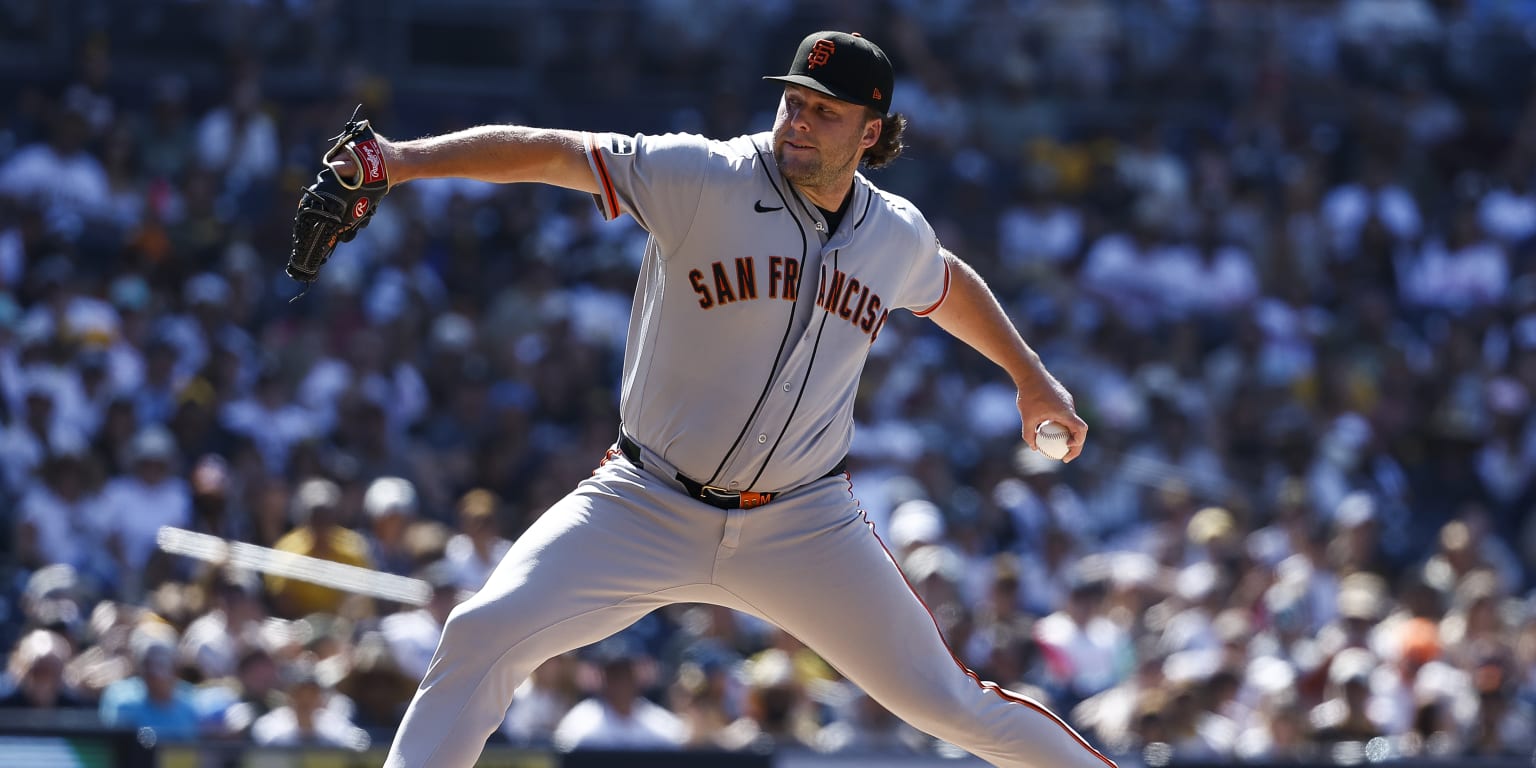
The Red Sox closed out the Trade Deadline with a three-move sprint, installing All-Star catcher Adley Rutschman and reshaping their relief corps in a single afternoon. The headline addition was lefty Erik Miller from the Giants—a 28-year-old power pitcher whose 96.9 mph sinker and slider profile give Boston a hard-throwing left-side option it lacked. Miller carries a 2.76 ERA across 38 appearances this season, posting a 45:22 K:BB ratio over 32⅔ innings. That strikeout rate—roughly 12.4 per nine—matters in the context of a bullpen tasked with closing out games over a condensed late-season and playoff schedule.
What makes Miller's acquisition strategically sound is less about ERA inflation and more about workload manipulation. Red Sox chief baseball officer Craig Breslow explicitly framed the deal as a "back-end reliever with control who throws from the left side...the ability to bring guys in who can get swings and misses and shorten the game when relievers are available almost every night." That language reveals the operational intent: maximize strikeout probability in high-leverage situations to reduce baserunner variance and compress the number of pitches required per appearance. In a bullpen rotation where nearly every reliever logs multiple nights per week, shorter outings reduce injury risk and fatigue.
The secondary moves—Eli White from Atlanta for prospect Tyler Uberstine, and the Marcelo Mayer deal to San Francisco—appear designed as depth and flexibility plays. White, 32, offers right-handed platoon depth with solid defensive value but minimal offensive profile (.233/.285/.406 in 144 PA this season). His role is bench utility, not lineup impact. Mayer's departure, by contrast, signals Boston's acceptance that youth development and major-league production didn't align during his first two seasons; the fourth overall pick in 2021 posted a .223/.278/.346 line over 114 games while dealing with recurring soft-tissue injuries, including a stress reaction in his left ulna that forced him onto the 10-day IL.
For prop bettors, the Miller acquisition is the lever. His 45 strikeouts in 32⅔ innings translates to a K/9 rate well above league average for relievers (roughly 65th percentile). More critically, his usage pattern is likely to be concentrated in high-leverage innings—closer-by-committee situations, inherited-runner scenarios, playoff-caliber save opportunities. When a reliever's strikeout rate is persistently elevated AND his leverage index jumps due to deployment, his individual K prop becomes underpriced relative to the true outcome distribution. Boston's bullpen already ranked among MLB's best; adding a strikeout-heavy weapon amplifies that advantage without diminishing usage for existing arms like Kenley Jansen or other core relievers.
The edge for bettors exists in the mismatch between Miller's strikeout floor (high 45+ mark already posted) and the market's likely lag in repricing his leverage and usage patterns within Boston's late-inning hierarchy. Single-reliever K props may overcorrect within 48-72 hours as books adjust to the new workload distribution, but in the immediate window—Red Sox games over the next 7-10 days while Miller acclimates—his strikeout totals could carry value if his initial line assumes a lower-confidence debut. Similarly, Boston's bullpen strikeout total (collective prop) becomes more durable upward given Miller's addition; that edge survives longer-term because it reflects a structural shift in relief composition, not a single-game variance event.