Red Sox Find Fenway Stroke in Rare Win, But Context Matters for Overs
By PropBetEdge Editorial Team ·
Boston's 10-1 blowout masks a 11-21 home record and trade-deadline pressure; one outburst doesn't rewrite the park's offensive profile.
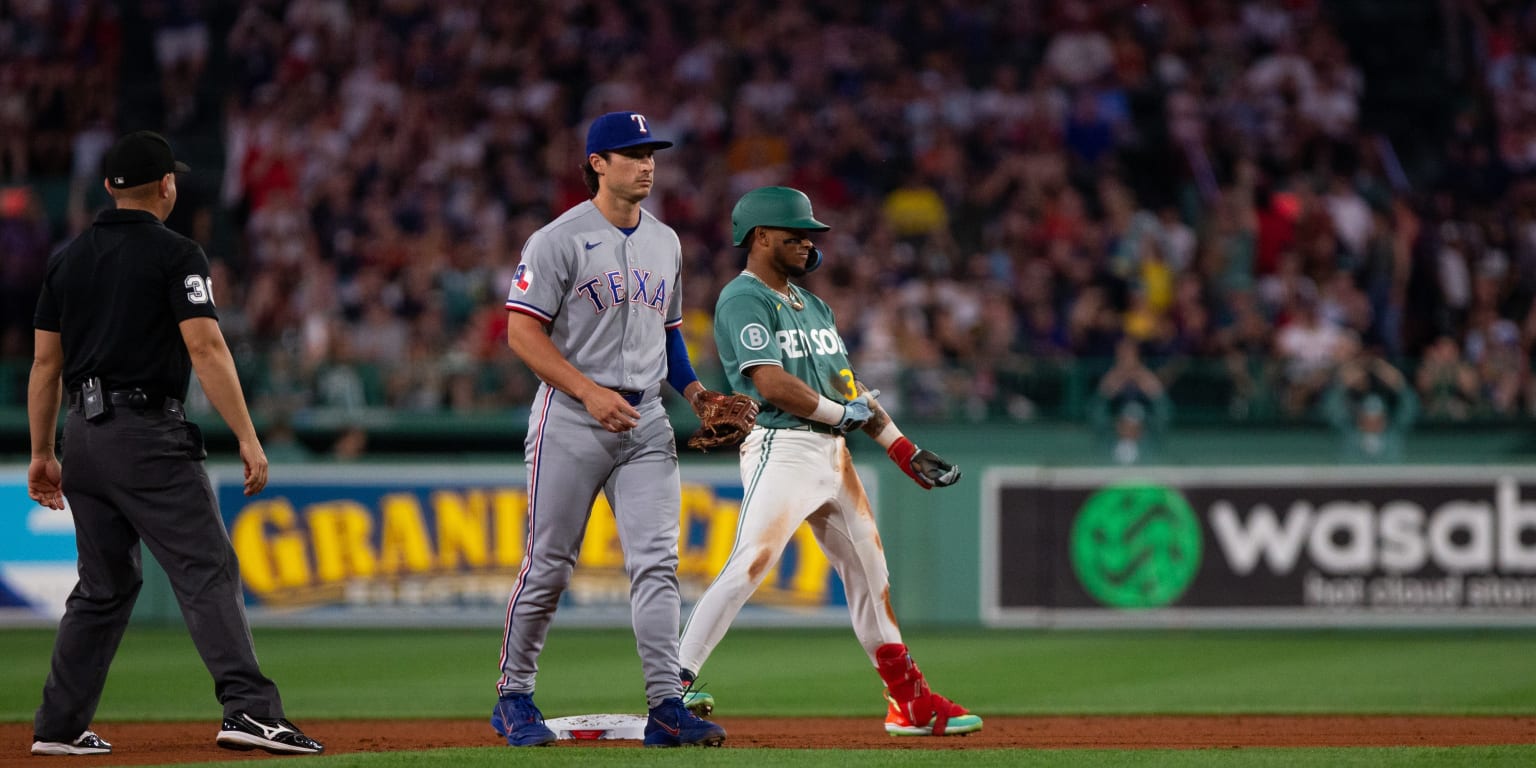
The Red Sox scored 10 runs at Fenway for the first time this season Friday, snapping a five-game stretch in which every home series opened with a loss. Mickey Gasper, Ceddanne Rafaela, and Wilyer Abreu each doubled off the Green Monster on consecutive pitches in the fifth inning—a sequence that felt less like elite hitting and more like a team finally catching a break from its home ballpark's geometry and an opposing left fielder's positioning. Willson Contreras added a solo shot, Rafaela followed with a two-run homer in the eighth, and the offensive momentum carried through to a 10-1 final against Texas.
Context swallows the narrative whole. Boston sits 28-39 overall and a startling 11-21 at Fenway—nearly a .350 winning percentage at a park that should be a fortress for a team with Contreras and Abreu in the lineup. Club president Sam Kennedy acknowledged Thursday that without dramatic improvement, the Red Sox will likely shift from buyers to sellers ahead of the August 3 trade deadline. One 10-run game doesn't reverse that calculus. Sonny Gray, the 36-year-old bright spot in this roster, pitched six tidy innings with seven strikeouts and zero walks; his 8-1 record and 3.03 ERA remain legitimate, but the lineup around him has been too inconsistent to sustain a playoff push.
The Fenway hitting environment presents a specific test for overs-minded bettors. This game saw three extra-base hits off the left field wall in one inning—a clustering that speaks more to variance and opponent misplay than to a systematic offensive unlock. The Rangers deployed Nicky Lopez in left field and watched misplayed doubles drop in; that's not a repeatable recipe. When Boston's offense has fired at Fenway this season, it's often been in isolation games rather than sustained series. Contreras is a legitimate power bat, and Abreu projects as one, but the team's 11-21 home record indicates that pop moments are outnumbered by stretches of offensive drought.
For prop players, the immediate temptation is to chase Red Sox team totals upward after a 10-run performance at home. Resist it. The market will adjust to Friday's outburst by inflating Fenway run totals, but one game doesn't change the underlying home splits. Boston's run-scoring environment at Fenway remains depressed relative to league average; this win is a correction, not a trend. If overs on Red Sox team totals move from 4.0 to 4.5 in Saturday's matchup, the uptick reflects recency, not fundamental improvement. Backing unders on Boston team totals in the next 2-3 games at Fenway remains structurally sound—not because the offense is broken, but because one dominant night doesn't reprrice a 11-21 home-run distribution.