Red Sox Manufacture Runs Without Extra Bases; Early's Gem Signals Offensive Shift
By Erik Schwartz ·
Boston's bottom-of-the-fourth explosion—six runs on singles, errors, and small ball—breaks a brutal home-stand drought and exposes vulnerability in Atlanta's execution at the plate.
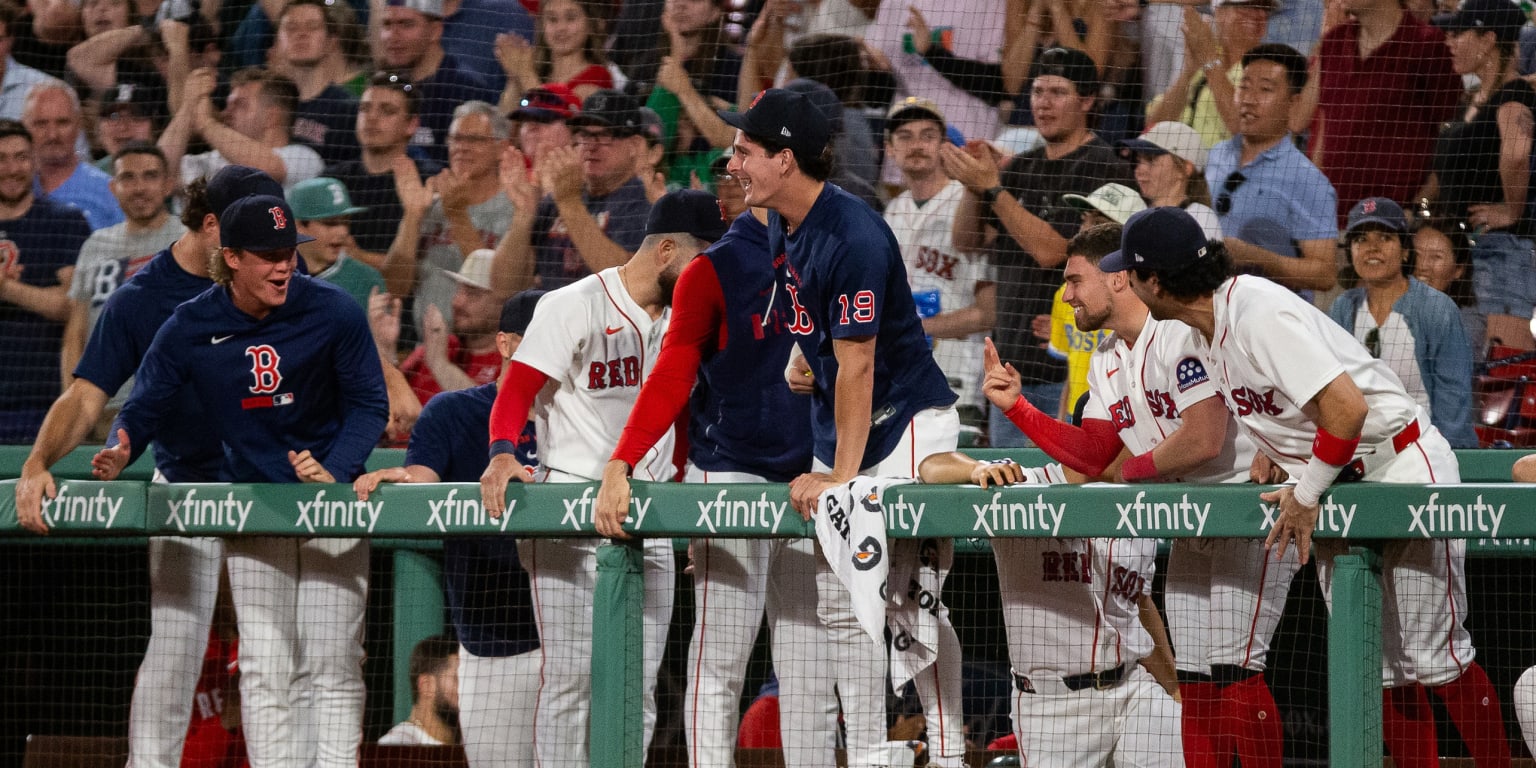
The Red Sox scored six runs in the fourth inning Wednesday without a single extra-base hit. That sentence alone tells you how thoroughly Boston's offense suffocated during its 0–4 homestand collapse before this 8–0 win over the Braves. When a team manufactures runs through a sacrifice bunt (Nick Sogard), an opposing first-baseman error (Matt Olson's miscue), a broken-bat single (Jarren Duran), and two consecutive RBI singles by complementary hitters (Ceddanne Rafaela, Wilyer Abreu), it means one of two things: either the offense has tightened its approach and is executing the game's fundamentals, or the opponent has gifted them the inning. Against Atlanta, it was both. The dam breaking in one inning doesn't erase nine games of futility at Fenway, but it signals a recalibration that matters.
Connelly Early, the Red Sox rookie lefty, validated that the home-field advantage was actually functional. Over seven scoreless innings, Early allowed four hits, walked three, and struck out seven. That 2.95 ERA and 5–2 record don't scream elite, but his ability to neutralize one of baseball's most dangerous lineups—a Braves order that has carried significant offensive equity all season—while working into the seventh inning establishes real scalability. Early wasn't dependent on strikeout rate to win; he pitched to contact, got ground balls, and let the Red Sox defense execute. This is a pitcher who can be counted on to suppress run expectancy, even against murderer's row.
The betting market has likely overweighted Boston's 9–18 home record as a persistent liability. One six-run inning doesn't reverse a month of underperformance, but it introduces a critical variable: the Red Sox finally converted situational baseball—small ball, errors, and broken-bat luck—into actual runs. Home underdogs that break 0-for-4 stretches and display renewed small-ball execution often see their totals repriced upward in subsequent games. Boston's remaining Fenway slate will likely move from the depressed 3.5–4.0 team-total range into the 4.0–4.5 band, reflecting the possibility of more efficient offensive sequencing. Early's ability to suppress Atlanta's offense also matters for future first-five-inning totals; if Boston's pitching can match Atlanta's edge, under-focused bettors should anticipate tighter action.
For Thursday's series finale, the narrative shifts entirely. Payton Tolle (presumed Boston starter) faces Chris Sale, a veteran with a massive strike-zone edge and injury history. If the Red Sox win that matchup, they claim their first home series since early April. The market may underestimate the psychological momentum of breaking a 0–4 hole and the offensive blueprint Boston just demonstrated—converting weak contact and defensive mistakes into production. This is the kind of one-inning explosion that, paired with pitching stability, can shift team-total expectations. An under that looked solid at 4.5 for Boston's next game becomes risky if the market hasn't fully absorbed that the Red Sox offense and pitching are both capable of functioning at once.