Red Sox lose Early to elbow inflammation; bullpen depth tested mid-season
By PropBetEdge Editorial Team ·
Connelly Early's injured list placement forces Boston to lean harder on a relief corps already stretched thin in July.
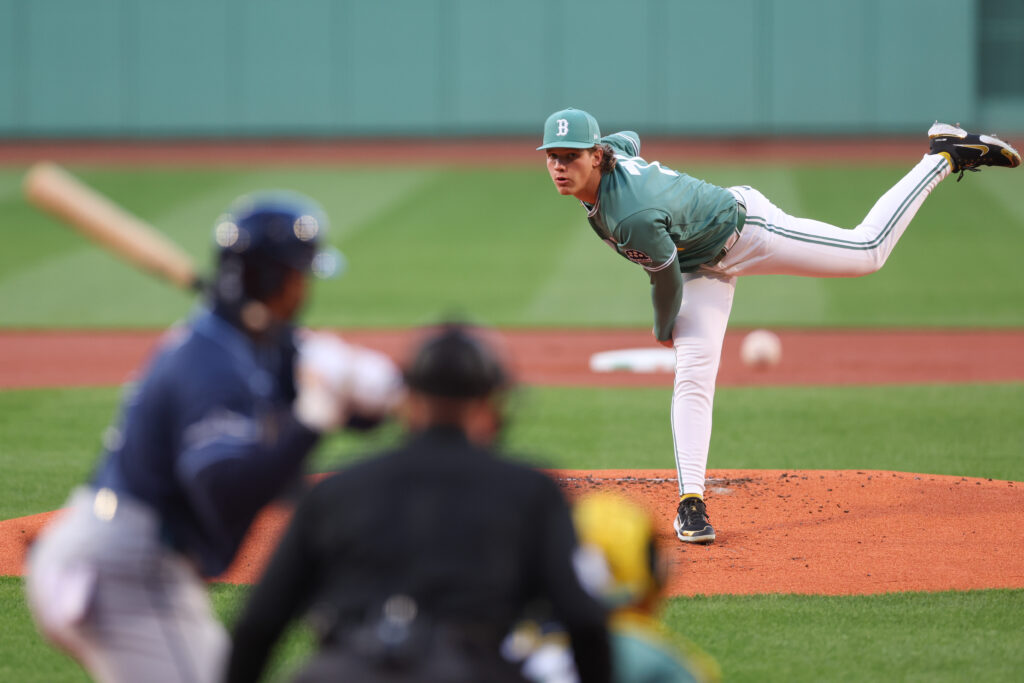
The Red Sox placed left-hander Connelly Early on the 15-day injured list Wednesday due to inflammation in his left elbow, removing a promising young arm from a bullpen that can't afford the hit. Boston reinstated reliever Jovani Moran and recalled lefty Alec Gamboa from Triple-A Worcester to fill the roster void, but the calculus on pitching depth just shifted.
Early had emerged as a reliable middle-relief option, the kind of young controllable pitcher teams depend on to bridge gaps in a stretched bullpen. Elbow inflammation in mid-season is a cautionary flag—it doesn't automatically suggest a long-term structural issue, but it does signal fatigue or mechanics stress at a point when relief workload peaks. A 15-day IL assignment typically clears a pitcher for return by mid-July, though the velocity and command floor on his first few appearances back will be the real test of how clean the recovery is.
Moran's reinstatement adds an arm with recent game experience, but the Sox are now betting that Gamboa—a prospect still proving himself against Triple-A hitters—can absorb innings without a material drop-off in stuff or control. That's workable for spot appearances; it's less certain if Early's absence extends deeper into the summer or if another arm falters in the interim. The bullpen tax compounds when you lose a young lefty in the middle of a season.
From a betting lens, Early's absence tightens the Red Sox bullpen profile going forward. Relief ERAs tend to spike when a team loses a quality young arm and is forced to recycle veterans or promote prospects mid-season—the adjustment isn't immediate, but it materializes across the next 10-15 games as leverage situations land on less-proven shoulders. Red Sox team totals and first-five-inning unders benefit modestly from the premise that Boston's pitching staff now carries slightly more variance on any given night. The leverage also flows backward: if Boston's starters know the bullpen is thinner, that pressure often translates into longer starts and fewer early exits, which can actually prop up first-five totals. Monitor the lineup construction in games immediately following Early's IL move—if Boston tightens its offensive workload early to preserve leads, team-total unders gain credibility.