Red Sox Circle Zach Neto Again: A Shortstop Market Test Mid-Season
By Ty Whitney ·
Boston's renewed pursuit of the Angels' young shortstop signals either defensive urgency or a calculated playoff deadline maneuver—and the betting implications depend entirely on which.
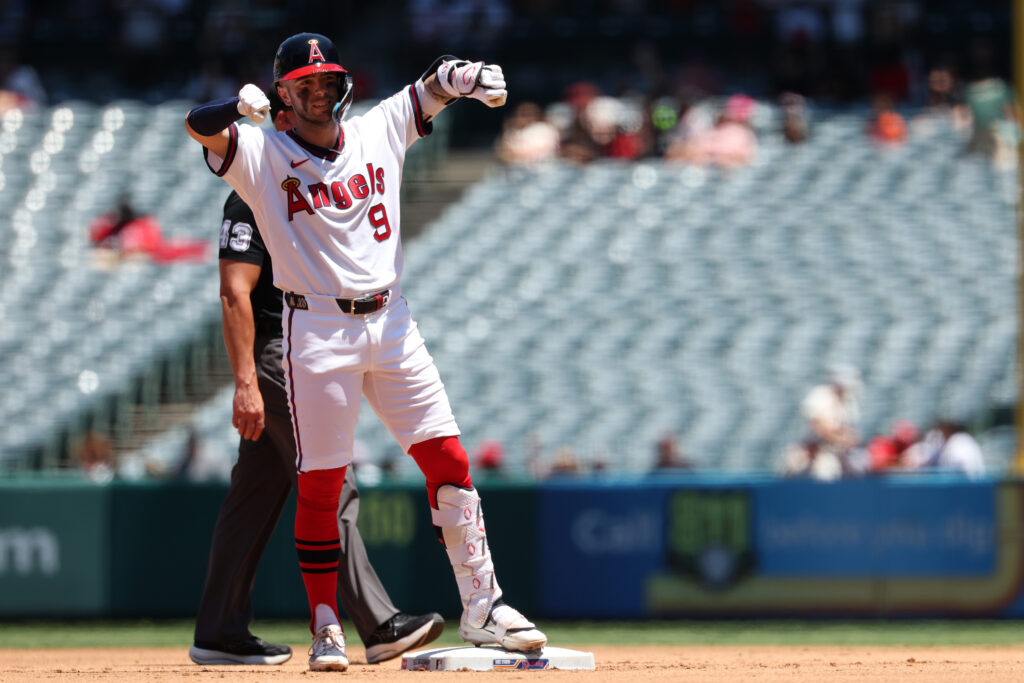
The Red Sox have circled back to the Angels about Zach Neto, per Ken Rosenthal and Will Sammon at The Athletic. This is the second explicit inquiry—Boston checked in last offseason without advancing to formal trade talks—but timing matters. We're 8 weeks from the deadline, and Boston's infield picture matters to multiple betting angles moving forward.
Neto is 25, signed through arbitration, and represents precisely the type of young-control asset teams bid up at July deadlines. The Angels, sellers again this year, would likely entertain offers. For the Red Sox, adding a shortstop on defense while upgrading offensive profile (Neto hit .275 with 16 home runs in 2024 before injuries limited him early this season) would reshape their offensive ceiling in a playoff push. Boston's been reliant on veterans and platoons up the middle; plugging in a corner-capable left-handed bat with speed changes the run-scoring profile materially.
What complicates this for bettors is that the deal is neither imminent nor guaranteed. Last offseason's conversations stalled, and the Angels may hold Neto longer if they believe a mid-season sale depresses his value. But if Boston does move him—either via direct trade or as part of a larger infield renovation—the offensive implications are concrete. Neto's career walk rate sits at 8.1%, his strikeout rate at 20.3%, and he's stolen 12 bases in 89 games this season. In Boston's lineup, a switch-hitter who can work counts and create spacing on the basepaths shifts both team-run totals and individual plate-appearance leverage significantly.
For betting purposes, monitor Red Sox team-total lines if Neto arrives. The market typically prices deadline acquisitions based on their career aggregate stats, not their specific fit within a given lineup's run-production ecosystem. If Neto slots into the two-hole or leadoff in Boston—likely against lefty pitching in a platooned setup—his on-base rate compresses relative to Angels usage, where he's been the primary shortstop. That depresses team-total overs relative to the upside narratives that will circulate post-trade. His strikeout profile also means Boston's contact rate drops slightly, which suppresses batting-average-dependent team totals. The edge, if it exists, favors fading overs in the 3-5 days immediately after a Neto deal closes, before the market reprices Boston's lineup around a realistic 2026 playoff-run ceiling rather than an optimistic ceiling.
Conversely, if the Angels hold Neto or the talks dissolve again, Boston likely addresses shortstop depth through the waiver wire or continues rolling with veterans. That scenario doesn't move betting needles materially. The real angle exists in the assumption that an acquisition moves the needle more than it actually does—a classic deadline trap where narrative outpaces statistical impact.