Marlins' Defensive Efficiency Becomes the Sharper Edge Than the Bats
By Ty Whitney ·
Miami's eighth shutout in 11 days masks a surprising truth: their power advantage is doing the heavy lifting, not their pitching.
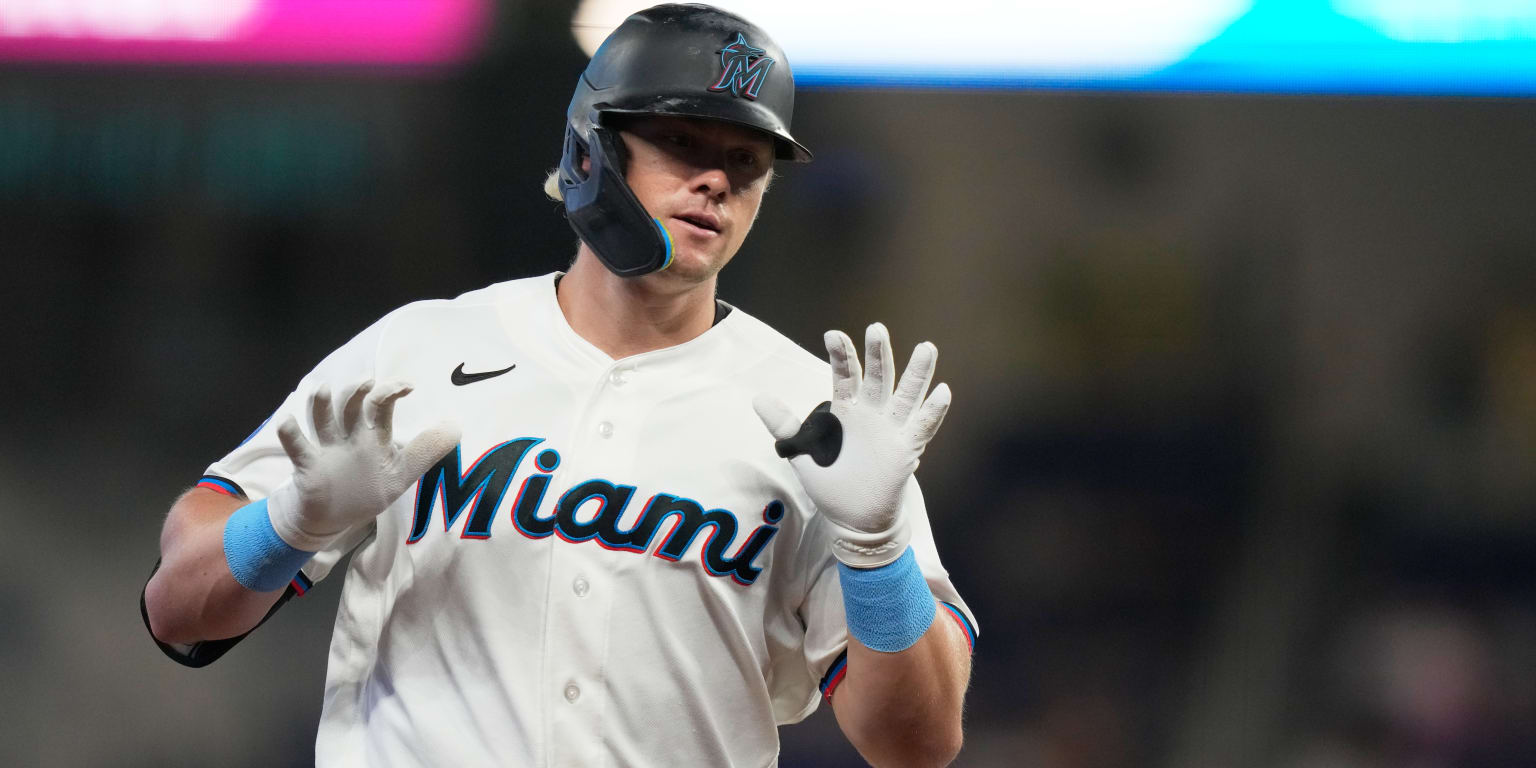
The Marlins shut out Seattle 2-0 on Wednesday, extending their winning streak to five games and their record since June 1 to 25-8—the best mark in baseball over that span. Kyle Stowers homered for the fourth consecutive game, his latest a first-pitch ambush off George Kirby's knuckle curve. Miami's pitching staff was clean: Tyler Phillips five innings, Cade Gibson two scoreless, Michael Petersen a perfect eighth, and Pete Fairbanks the save. It reads like dominant pitching. It isn't. The story lurking inside this result is structural.
Miami has won 15 of 17 home games dating to May 22 and is now nine games over .500 for the first time since July 18, 2023—almost three years of drought ended in one June-July surge. The shutout was their eighth, tied for third in baseball. But here's the mechanism: the Marlins are 31-3 (.912 winning percentage) when they out-homer their opponent. That ratio, combined with their 25-8 record since June 1, suggests the team is winning through an overwhelmingly simple formula—one that doesn't require eight shutouts or pristine bullpen sequencing to repeat. They are out-powering opponents and backing it with serviceable pitching. That is durable. Conversely, the shutout frequency (eight in roughly 100 games played) is not. Shutouts regress. Home-run differential does not.
Stowers' fourth homer in four games is the outlier component here. That streak will fade within the next week—single-game spikes in home-run frequency carry no predictive weight beyond the immediate matchup. When Stowers cools, which he will, the Marlins' run-prevention model (not run-generation) will become the floor. The pitching has been serviceable, not elite. Phillips allowed four hits and two walks in five innings. Kirby was serviceable on Seattle's side too. The Mariners generated almost no offense and lost. That happens; it doesn't project.
For prop bettors, the takeaway is direct: fade Marlins team totals in the short term. Their 25-8 record is real, but it is not built on pitching dominance—it is built on hitting advantage and home-run sequencing luck. As Stowers regresses to his true average (likely in the next 3-5 games), Miami's scoring output will compress. The Mariners game was a shutout; the next three Marlins games should see them reverting to 3-5 runs per night, their true operating range. Lines have likely moved on this shutout win. Team totals over 4.5 for the Marlins' next appearance should be avoided until the lineup cools and stabilizes.