Lindor's 62-Day Absence Ends Wednesday: Mets Shortstop Poised to Reshape Run Prevention
By Ty Whitney ·
After two months on the sidelines, Francisco Lindor's return to the Mets lineup changes both offensive floor and defensive value in ways the market hasn't fully repriced.
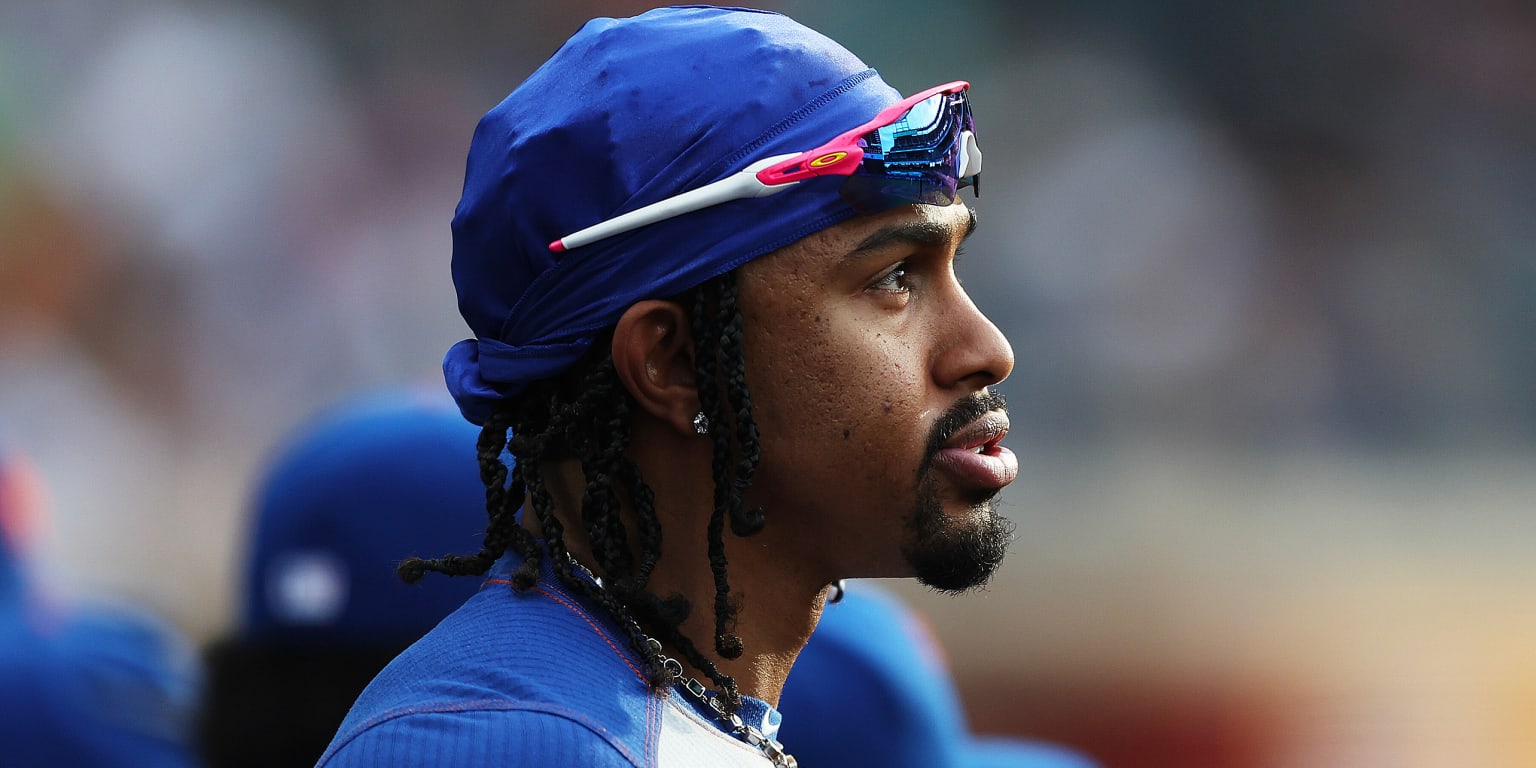
Francisco Lindor is slated to rejoin the Mets as soon as Wednesday against the Cubs, ending a 62-day absence dating to April 22 when a strained left calf landed him on the injured list. Per MLB, the Mets front office is expected to make the final activation call late Tuesday following a successful rehab stint in Triple-A Syracuse, where Lindor went 2-for-5 playing eight innings at shortstop. Manager Carlos Mendoza stopped short of guaranteeing activation but signaled the likelihood, saying the return is "a possibility." The timing matters: Lindor may appear in only the second game of Wednesday's doubleheader, giving him a soft re-entry after three weeks of simulated games and minor league reps at Citi Field.
What makes this return significant for Mets betting isn't just getting their starting shortstop back. Lindor has been one of the league's most consistent 30-homer, 25-steal producers over his career, averaging 6.0 wins above replacement annually from 2022-25. Before the injury, he was scuffling—just two home runs, two stolen bases, and a .669 OPS across 24 games—which is precisely why the Mets need him healthy. A five-time All-Star who finished runner-up to Shohei Ohtani in 2024 National League MVP voting, Lindor is the structural fulcrum of New York's infield. His return forces Bo Bichette back to third base and Brett Baty into a super-utility split, reshuffling a defense that's carried the team through his absence.
The Mets entered June 23 in the midst of what president of baseball operations David Stearns called "a trying season," with explicit acknowledgment that the team "can't put everything on Francisco to come back at a time when he hasn't played baseball very much." That caveat is critical: Lindor isn't an immediate offensive panacea. Over his full three-game rehab assignment, he hit .231 (3-for-13) with a stolen base and just one strikeout. He's had minimal live at-bats since mid-April. Expect 3-4 games before his offensive velocity returns to career baseline.
For prop purposes, the edge isn't backing Lindor's individual output in his first 2-3 games—variance will rule there, and a player ramping up from injury typically undershoots his season rate. The real angle sits elsewhere: Mets team run prevention. Lindor's elite left-side defense removes a hole that's likely contributed to elevated earned-run totals during his absence. The defensive reshuffling (Lindor's elite glove + Bichette back to his natural position) improves shortstop coverage in a way that doesn't show up in traditional stats until 10+ games accumulate. Cubs hitters won't beat themselves against a recharged infield. Fade Mets overs on team total for the next 2-3 games—the market hasn't yet adjusted for the defensive upgrade, and Chicago's lineup is too disciplined to gift extra bases the way they might against a rotating cast of utility infielders at short.
The stronger long-term angle: monitor Mets under totals (4.5-5.0 team run range) over Lindor's next 5-7 games. The market will overcorrect on his return—assuming he immediately swings at pre-injury rate, which won't happen. Meanwhile, the infield tightens up defensively, suppressing runs allowed. Stearns' own caution about "not putting everything on Francisco" is the opposite of what the betting public will do. Take the other side.