McClanahan's Form vs. Bradish's Struggles: A Holiday Mismatch That Opens the Over
By PropBetEdge Editorial Team ·
Tampa Bay's ace arrives in Baltimore with a five-game winning streak and a 2.82 ERA; the Orioles counter with a pitcher in freefall, setting up a litmus test for the 7.5 run line.
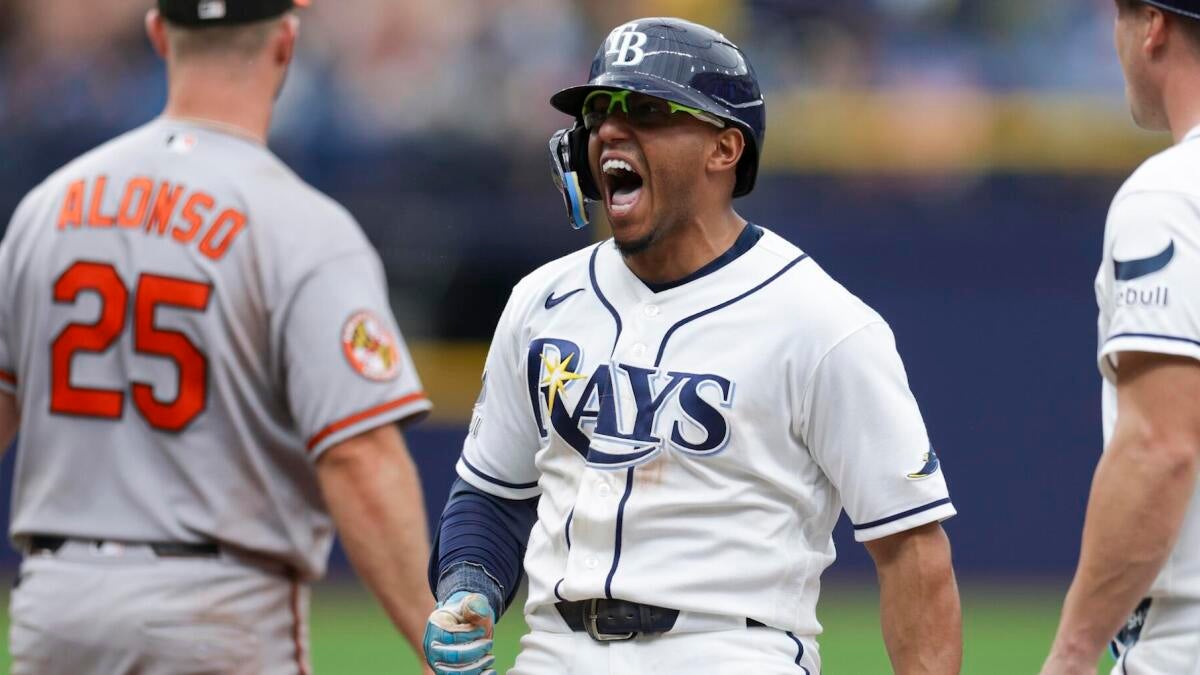
The Rays roll into Camden Yards on Memorial Day as the AL East's hottest team—34-16 overall, riding a five-game streak, and carrying the league's best record. The Orioles, by contrast, sit fourth at 23-30 after dropping their last outing to Detroit. The pitching matchup tells the whole story: Shane McClanahan takes the mound for Tampa Bay with a 2.82 ERA and 1.05 WHIP across five wins; Kyle Bradish counters for Baltimore at 2-6 with a 4.13 ERA and a ballooning 1.51 WHIP that signals deteriorating command.
Bradish's walk-to-strikeout ratio (1.51 WHIP with 58 strikeouts in the same volume as McClanahan) reveals a pitcher losing his feel. A 1.51 WHIP in the modern era sits well above replacement-level performance, and paired with a 4.13 ERA in an Orioles rotation that entered the season with high expectations, it suggests mechanical or confidence issues. McClanahan, meanwhile, has anchored the Rays' rotation—his WHIP sits elite, strikeouts pace favorably, and he's benefited from run support in each of his last two starts. The Rays' lineup isn't star-studded by historical standards, but Yandy Diaz, Junior Caminero, and Jonathan Aranda have shown pop against middle-tier arms. Against a tiring Bradish, expect their aggressiveness early.
The Orioles' offense centers on Gunnar Henderson and Adley Rutschman, both capable of explosive games. Yet Henderson's consistency has wavered this season—he's hitting for power but with high strikeout rates against elite velocity. Rutschman, while talented, faces a McClanahan fastball that has averaged 95-96 mph with wipe-out breaking stuff. The Orioles' best path to run production runs through home-run variance, not sustained at-bats. In a matinee game where starters are fresh and bullpen workload is a secondary concern, run environment typically skews higher than night games, and the weather at Camden Yards in late May tends toward favorable conditions for carry.
The betting market opened the total at 7.5 runs, a reasonable floor for two teams with clear offensive capability. However, the specific pairing—elite control (McClanahan) facing a defense that's made errors at key moments, versus aging command (Bradish) against a lineup primed to be aggressive early—creates a structural edge. McClanahan's last two starts both went over the total; Bradish's inability to miss bats or command the zone suggests Tampa Bay will work counts and force Orioles position players into early middle-relief. The model's 69% simulation hit rate on the over, projecting 9.7 combined runs, aligns with this mechanism: Bradish's walks compound into scoring opportunities, McClanahan holds the line late, and the Rays' aggression against poor command punishes Baltimore early.
The Rays' moneyline sits at -119 favorite, undervaluing their structural edge in this matchup. A team with elite command and run prevention facing one in mechanical disarray, on a holiday when ballparks tend to play larger, creates a two-way edge: the over is the primary play because Bradish's lack of command inflates baserunners and scoring opportunities, but the moneyline carries value as a hedge if you're fading the Orioles' ability to manufacture runs off elite control.