Tampa Bay's Bullpen-First Gambit Pays Off Against Boston; Seymour Opener Model Reshapes Rays Rotation Risk
By PropBetEdge Editorial Team ·
The Rays won with six relievers and an unconventional starter-turned-opener, signaling a pivot in how they'll manage rotation injuries and workload this season.
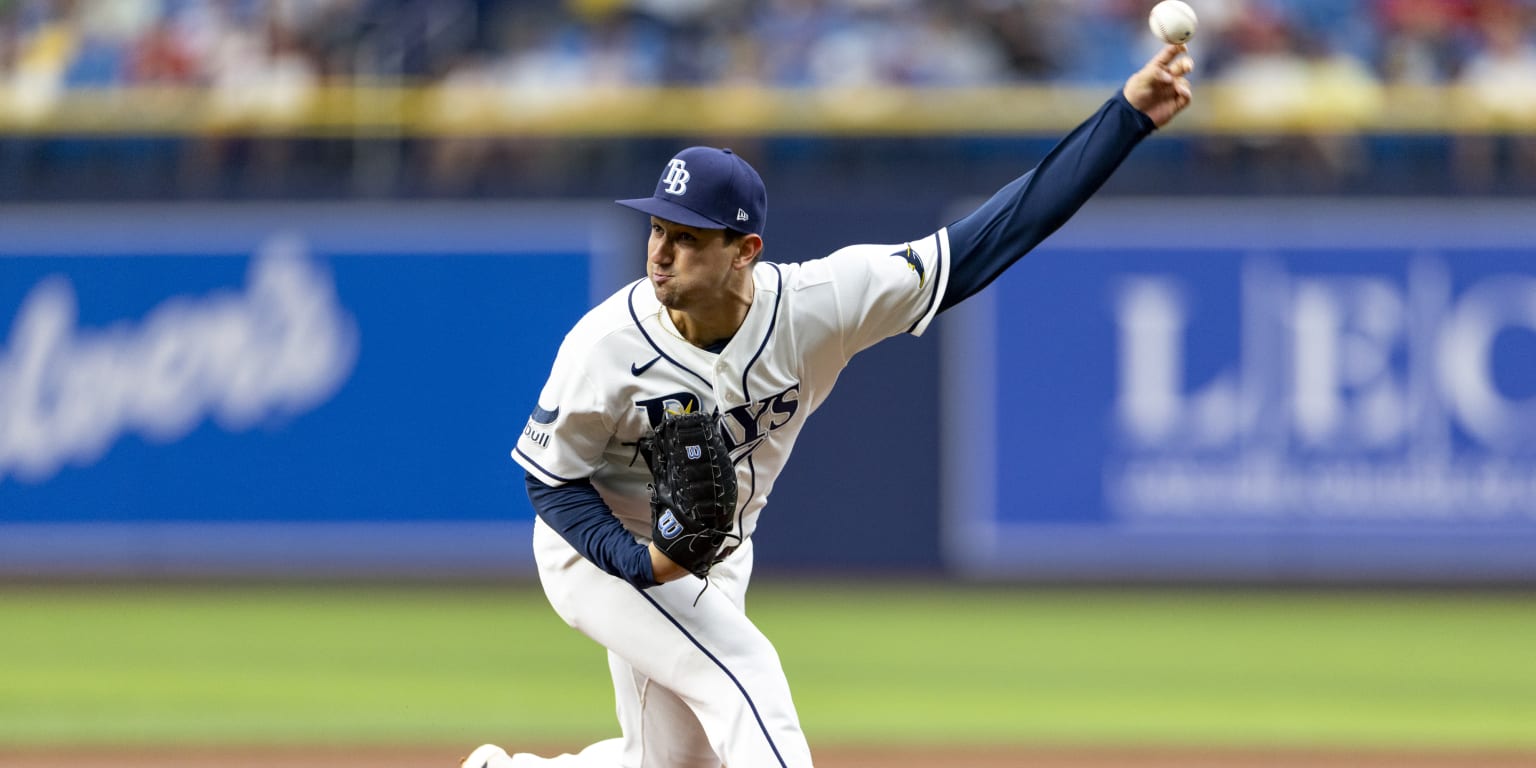
The Rays broke a three-game losing streak Monday night by deploying Ian Seymour as an opener—a starting prospect operating in relief innings—and leaning entirely on their bullpen to close out a 3-1 win over Boston. Seymour, who ordinarily worked from the minors as a starter, delivered four innings of one-hit baseball on 55 pitches, allowing only a Marcelo Mayer solo shot in the third. The move was necessitated by Steven Matz's shift to bullpen duty on Saturday, leaving a gap in Tampa Bay's rotation that the club opted to fill creatively rather than call up a traditional starter. This isn't an isolated tactical flourish—it's a structural adjustment that will ripple through Tampa Bay's betting profiles for weeks.
Manager Kevin Cash's pregame framing—"Ian's pitching, and then we'll go from there, depending on the score"—amounted to an open admission that the Rays are now comfortable treating rotation spots as fungible roles. Seymour's efficiency (five strikeouts, one walk, one hit) proved the model workable, but the real engine was the relief corps. Six bullpen arms combined for six innings, four hits, one walk, and 10 strikeouts. Casey Legumina retired all four batters faced. Cam Booser and Kevin Kelly produced scoreless frames. Bryan Baker earned his 17th save without incident. The Rays' only run allowed came before the fifth inning—after that, their bullpen posted zeros.
For betting purposes, this reshapes both team-total and pitcher-prop exposure. Tampa Bay's run environment becomes harder to project when they're willing to deploy four-inning openers instead of six-inning rotation anchors. Openers suppress early-inning runs (Seymour gave up one in three innings before the lineup punched back), which typically lowers first-five-innings totals. Conversely, if the Rays lean into this model and Matz remains in the bullpen, bullpen fatigue could compress late-game reliability and inflate ninth-inning leverage volatility. Baker's 17 saves come with a caveat: if the Rays keep deploying six-pitcher games, closer save opportunities could evaporate on nights when games stay 1-2 runs, forcing earlier-inning reliever usage.
Jonathan Aranda's two-out single snapped a 2-for-24 drought and drove in the go-ahead run in the fifth; Austin Slater's infield single and stolen base set the table. Both moves hint at offensive supplementation around a core that's won only four of its last 14 games. The bullpen flexibility works only if the offense doesn't require 5-6 runs to win. Over the next 14 days—the natural window before the trade deadline reshuffles bullpen composition—the Rays will likely reprise this opener model when rotation absences occur. Lines on Tampa Bay team totals should tighten when Seymour or similar prospects slot in as openers; first-five-innings unders become more viable as long as the pitcher-of-record stays shallow in pitch counts and innings.
The larger signal: Tampa Bay's front office is no longer waiting for an injured starter to return to full strength before adapting rotation roles. That efficiency-first mentality favors unders in team-total markets where the book still prices the Rays as a traditional rotation offense. Watch for this pattern to repeat, and adjust bullpen leverage props accordingly when Matz takes relief appearances.