Seager's Concussion Clouds Rangers' Lineup as Injury Cascade Deepens
By Erik Schwartz ·
A collision at home plate Thursday left the Rangers' shortstop sidelined for a third consecutive game, exposing the team's vulnerability down the stretch.
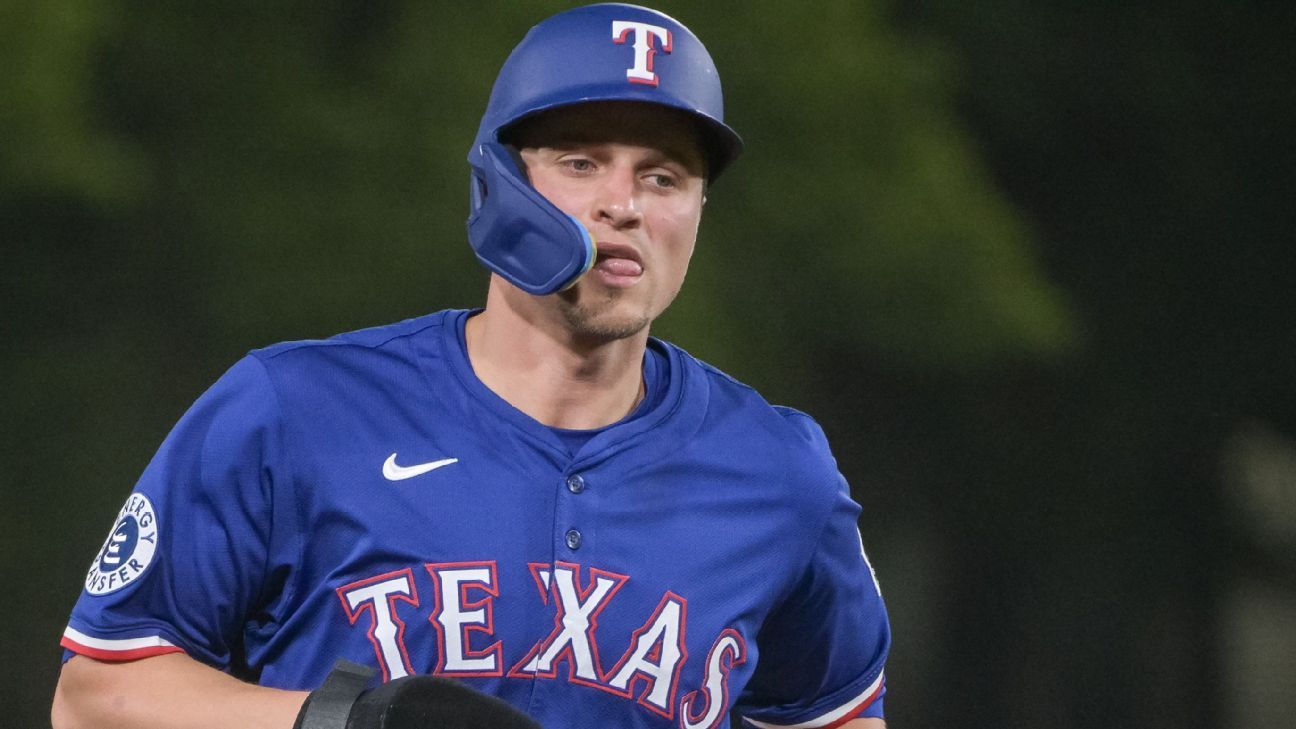
Corey Seager sat out Sunday's matchup against Boston after suffering a mild concussion from a home-plate collision three days earlier. The incident occurred Thursday when Seager tried to score from first on Brandon Nimmo's double against Kansas City; he and catcher Carter Jensen collided at the plate, yet Seager remained in the game and delivered a homer. The Rangers' medical staff pulled him for precautionary reasons heading into the weekend.
The timing amplifies an already troubling season for the 32-year-old shortstop. Seager missed 19 games between late May and early June with lower back inflammation—a three-week absence that interrupted his offensive rhythm at a moment when the Rangers needed consistency. Returning to action only to absorb another head injury compounds the problem. His season slash line of .186 with nine home runs and 24 RBIs sits well below his career norms, suggesting either lingering physical issues or a deeper mechanical breakdown.
For the betting markets, Seager's absence creates a two-tier effect. Over the next week—the standard concussion protocol window—his absence from the lineup removes a power bat that, despite his struggles, still commands pitcher attention. The Rangers' team total against weaker pitching likely sees downward adjustment; without Seager in the lineup, the order loses depth. More immediately, prop bettors should fade Seager's player totals (hits, runs, RBIs) until clearance is confirmed and he logs at least one full game back. Post-concussion returns often see soft usage, even when approved—managers typically ease players in with reduced at-bats or late-inning pinch-hit roles rather than full-slate deployments.
The concern extends beyond the individual player. The Rangers have absorbed back-to-back significant injuries to core position players in a compressed window. Losing Seager for three games during a pennant race is manageable; losing him to a multi-week concussion protocol, or having him return at diminished capacity while his neurological recovery lags behind his clearance, tilts the team's run-production calculus toward the under side. Monitor the Rangers' upcoming game totals closely—the market may not yet price in both the short-term absence and the elevated risk that Seager's return generates high variance rather than reliable production.