Rangers' Catching Depth Crisis Forces Jansen to IL, Díaz in as Veteran Bridge
By Erik Schwartz ·
A forearm strain that surfaced after deGrom's June 1 start has pushed Texas toward a roster move that exposes the true cost of last offseason's catching bet.
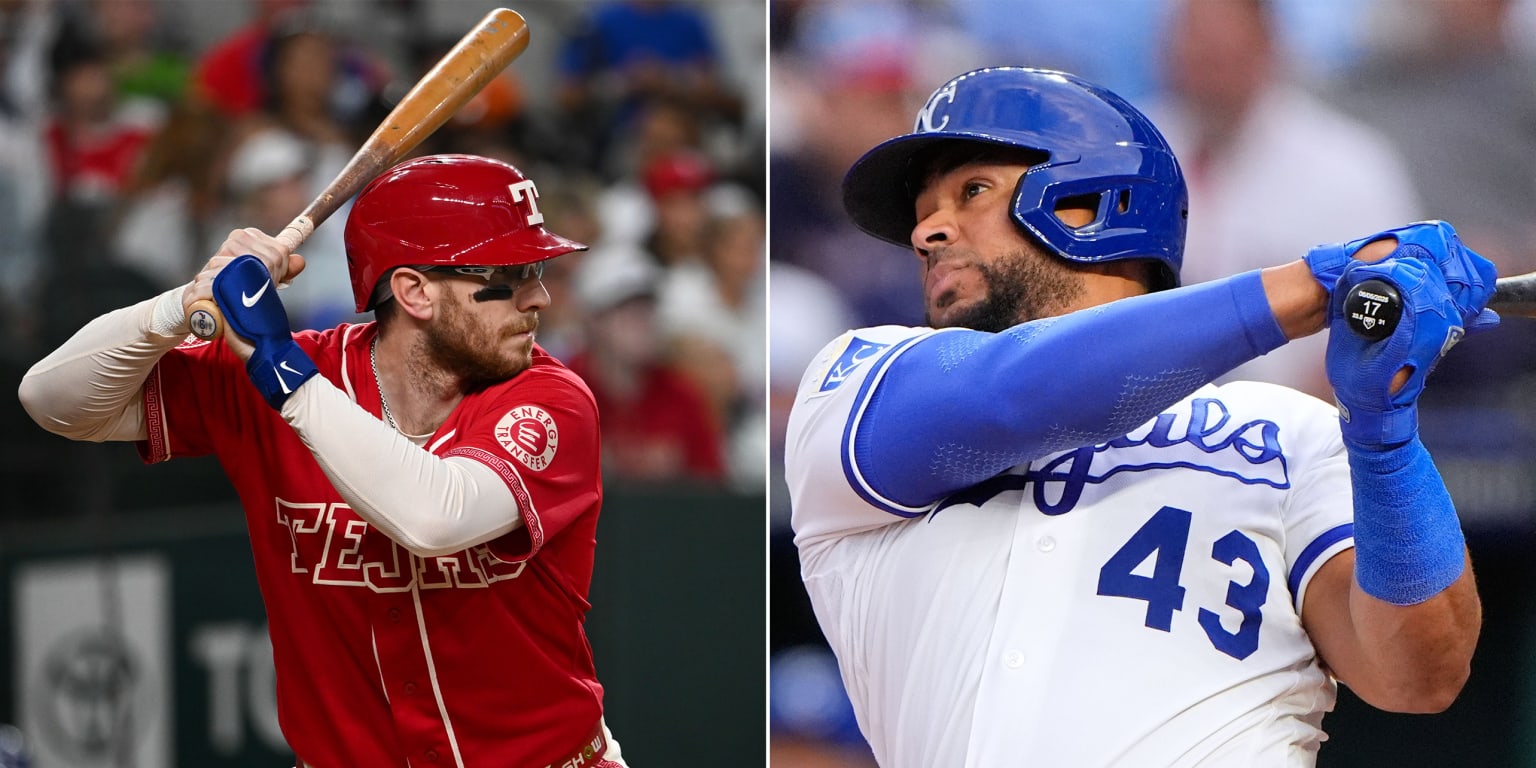
Danny Jansen is headed to the injured list with a right forearm strain, the Rangers announced Saturday. The injury materialized after Jansen caught Jacob deGrom's start in St. Louis on June 1 and failed to recover when he re-entered as a defensive replacement the next day. Imaging revealed elbow inflammation—the kind of arm issue that catches positions have to take seriously. At 31 years old, Jansen signed a two-year deal with Texas in the offseason on the strength of his reputation and playoff pedigree, but he has delivered a .171 batting average across 41 games, leading the catching corps with 36 starts. Now he's gone.
The Rangers' response tells you something about their catching cupboard. With only two catchers on the 40-man roster and minimal depth in Triple-A, the team signed veteran Elias Díaz to a Major League deal on Saturday. Díaz, 35, landed on waivers after Kansas City designated him for assignment on May 22. He spent five weeks with the Royals this season in a reduced role—10 games, a .227 average, minimal leverage. But Díaz carries real résumé weight: a 2023 All-Star with Colorado, 12 seasons in the majors, and 840 games behind the plate. From 2021 through 2025, he ranked third among National League catchers in caught-stealing percentage, behind only J.T. Realmuto and Will Smith. Manager Skip Schumaker framed Jansen's absence as "a few days, not playing," with the implied door for a quicker return than a typical forearm strain might suggest. That's either optimism or damage control—possibly both.
The deeper issue: Texas invested significant capital (a two-year contract) in Jansen expecting him to stabilize the position, and instead finds itself scrambling for a temporary bridge. Jansen's .171 average was already dragging on the Rangers' run-production ceiling; an injury that removes him from the lineup—even for a week or two—creates a secondary problem. The team now leans on Díaz, whose offensive profile is similarly thin (.246 career average, a career .685 OPS). Neither catcher is built to drive runs or take advantage of power-friendly Arlington. The real risk isn't Jansen's absence itself but the pattern it reveals: the Rangers' catching position was never the investment driver the front office implied when they signed Jansen, and depth behind the plate is real enough that a four-week IL stint becomes a rotation problem, not a speed bump.
For betting purposes, this matters most on Rangers team totals and offensive prop volume. Jansen's replacement production—Díaz is unlikely to exceed a .225 average in spot duty, and his power is minimal—effectively locks in a run-productivity drain of approximately 0.15 to 0.25 runs per game while he's in the lineup. Over a five-to-ten-game window (the likely timeframe before Jansen's return, barring re-injury), that compounds into 1 to 2.5 runs of suppressed offensive output on team totals. The Rangers were already middling offensively before this; unders on their team total at pre-injury pricing (typically 4.0 to 4.5 runs in this era) become more attractive as long as Díaz carries primary catching load. Conversely, sportsbooks may not have fully repriced this until Sunday's lines, meaning Saturday night props still carry some lag. If you see Rangers team total or related hitter props (Corey Seager TB, Kyle Schwarber RBI, etc.) posted before the market adjusts for Díaz's role, those unders carry value.
Schumaker's comment that Jansen is "gonna be down for a few days" suggests the IL stint may not extend beyond 10-14 days, but forearm/elbow strains in catchers have a history of stalling mid-rehab. Monitor the progression closely; if Jansen requires a second scan or if team communication shifts to "we'll wait and see," the Díaz role could extend longer, further suppressing team offensive lines.