Carter's IL Stint Reshuffles Texas Outfield; Freeman's Promotion Opens Late-Game Leverage Questions
By PropBetEdge Editorial Team ·
An oblique strain removes a young Rangers bat from the lineup just as Texas stabilizes its offense, forcing the organization to lean on a depth piece with minimal leverage track record.
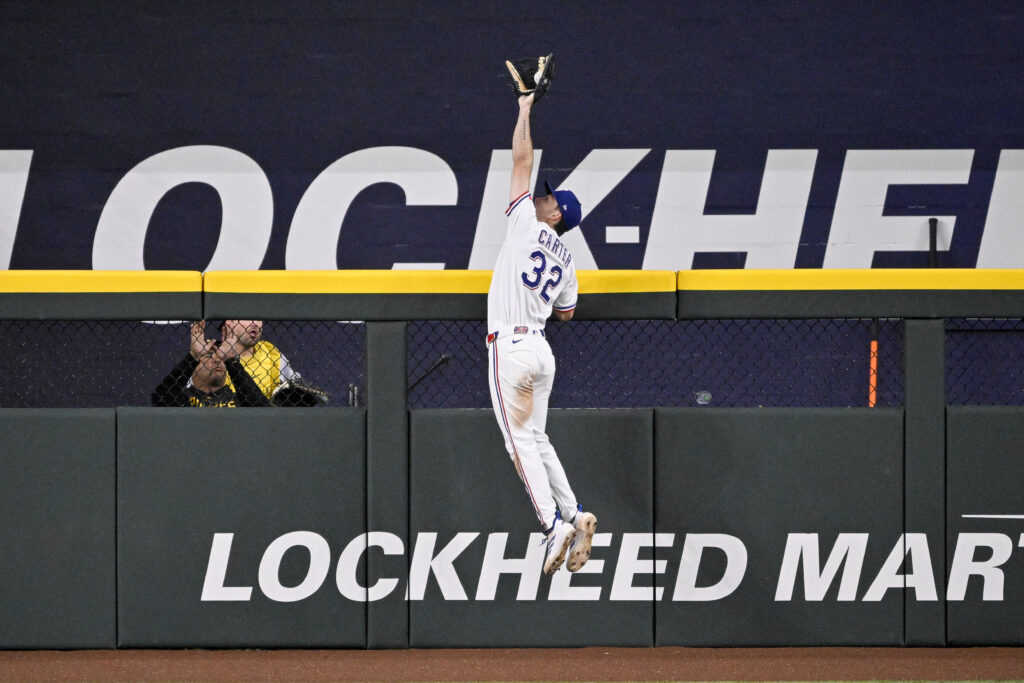
The Rangers placed outfielder Evan Carter on the 10-day injured list Saturday with a right oblique strain, removing a left-handed bat from their outfield rotation and promoting infielder/outfielder Cody Freeman from Triple-A Round Rock to fill the roster spot.
Carter's injury timing stings. The 24-year-old has appeared in 54 games this season and carried a .258/.324/.389 slash line—not elite, but functional depth in a lineup that's spent the first two months cycling through injuries. Oblique strains carry unpredictable recovery windows; even a 10-day designation often signals a longer absence if inflammation persists or reactivation proves premature. Texas will likely operate without him through at least late June, possibly longer if the strain doesn't respond to rest.
Freeman's call-up is the marginal story. He's a 28-year-old utility piece—four seasons in the minors since signing with Texas in 2022—with limited major-league exposure. His minor-league line this year sits at .271/.334/.412 across 47 Triple-A games, respectable but not transformative. Freeman's value to the Rangers isn't offensive; it's positional flexibility and the ability to absorb at-bats against right-handed pitching when the regular rotation needs a day. He'll likely see sporadic playing time, mostly as a late-inning defensive replacement or pinch-hitter in low-leverage spots.
For betting purposes, Carter's absence tightens Texas's bench depth and reduces late-game substitution optionality. With Carter sidelined, the Rangers can't lean on a left-handed bat off the bench in critical moments, forcing manager Bruce Bochy to either use Freeman in spots Freeman isn't ideal for or deplete his relief pitching earlier to stay in games. This compounds if another injury strikes the outfield; Texas has already cycled through several corner-outfield options this season. Team total unders become slightly more attractive when a lineup loses a viable bench contributor, though the effect is modest—Carter's usage patterns (54 games, likely not a daily starter) mean his absence doesn't crater offensive volume by itself. The real edge lies in monitoring whether Freeman's promotion signals further roster churn or if Texas is comfortable running this configuration through July. Early signs point to a short-term patch; if Carter's oblique progresses or another outfielder falters, Texas may have to chase bigger-name depth on the trade market.
Framing this another way: unders on Rangers team totals carry marginal edge only if Carter's IL stint forces the team into prolonged lineup gaps AND Freeman proves unable to hold his own in occasional pinch-hit duties. If Freeman hits .240+ off the bench or if Carter returns within two weeks, the edge evaporates. The safer angle is to fade Rangers overs in games featuring Freeman as a starter or heavy bench contributor—a data point worth tracking game-by-game as the IL clock runs.