Rangers Face Deadline Choice After Houston Sweep—Sellers or Standpatters?
By PropBetEdge Editorial Team ·
A weekend series loss to division rivals has Arlington weighing whether to pivot from contention to asset liquidation, with Gore and Eovaldi drawing external interest.
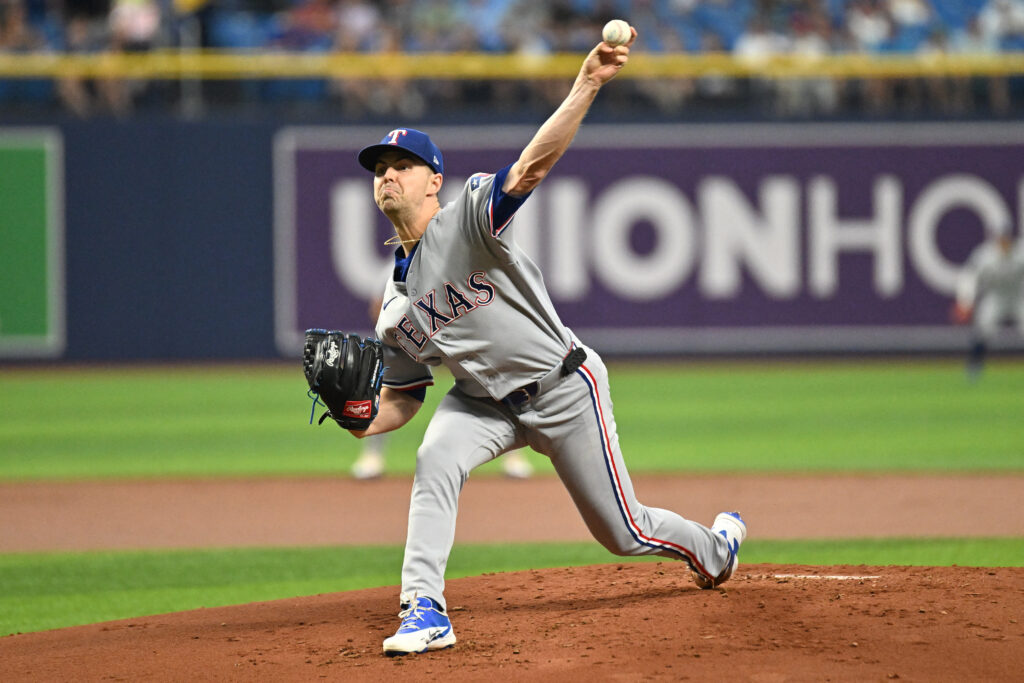
The Rangers' front office is navigating a crucial inflection point. After absorbing a weekend sweep by the Astros—the kind of gut-check series that forces organizational honesty—the club has fielded inquiries on both Garrett Gore and Nathan Eovaldi, per Evan Grant of The Dallas Morning News. The question isn't whether other teams want them; it's whether Texas is willing to sell.
Context matters here. A sweep by a division rival at this stage of August exposes the gap between playoff aspiration and playoff probability. The Rangers were positioned as soft contenders heading into the trade deadline; that weekend exposed cracks. Grant's reporting indicates the organization is genuinely reconsidering. They're no longer locked into "stand pat and compete"—they're seriously evaluating whether the 2026 window has already closed enough to justify a pivot toward prospect capital and long-term flexibility.
The dual interest in Gore and Eovaldi is telling. Gore, at 30 years old and operating at his highest trade value in years, represents recency. Eovaldi is the ace—the kind of controllable, midcareer arm that contenders always chase at deadline. If the Rangers entertain serious offers on both, it signals a deeper organizational conclusion: this roster's trajectory isn't pointing toward October. That's the precondition for a fire sale. Partial sellers hold onto their stars and flip role players; full sellers move the studs.
For bettors, this creates near-term volatility on Rangers totals and pitching props. If Gore or Eovaldi depart within days, the bullpen texture and starter matchup quality shift materially. Texas's team total and run-line exposure fluctuates based on departure timing and replacement acquisition. Specifically, if Gore moves (he's a mid-rotation arm), the Rangers lose 5-6 expected innings per week of quality competition; that depresses team totals and increases variance on bullpen-heavy games. Eovaldi's departure is more seismic—he's an ace, and losing him to a contender exposes the backend of the rotation. The market will eventually reprice Rangers unders as depth drops, but that repricing lags the actual trade announcement by 24-48 hours. Early-action under-backed numbers on Rangers team totals post-deadline should be leaned into before the broader market catches up.
The real edge is in the timing. If either arm moves today or tomorrow, sportsbooks will adjust team totals by 0.5 to 1 full run by Wednesday market open. Getting ahead of that repricing—betting Rangers unders at current (pre-trade) market prices—captures the gap between public perception and post-sale reality. The organization's messaging is already softening; the trades are likely. The prop advantage is in speed, not prediction.