MLB · lineup
Ramírez's Power Still Offline: How the Guardians' Hamate Cautionary Approach Shapes Cleveland's Near-Term Ceiling
Three weeks into his hamate recovery, José Ramírez remains a speed-and-contact player, not the run-producer Cleveland needs—and the team's load-management strategy signals that's unlikely to change in August.
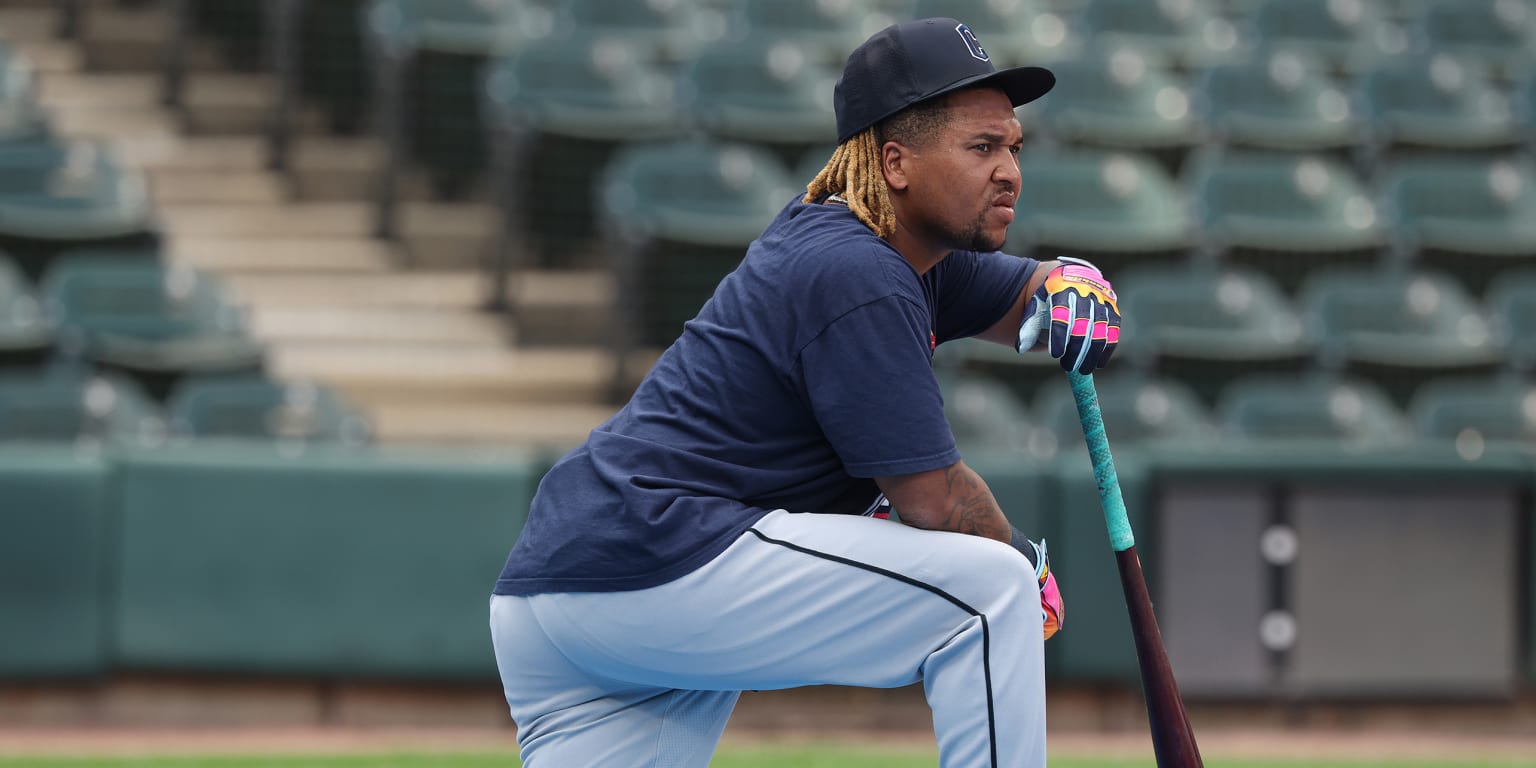
José Ramírez returned to the Guardians' lineup on July 22, just 35 days after left hamate surgery—front-loaded within the five-to-seven-week recovery window the team had outlined. By August 14, he's started 16 of Cleveland's last 21 games, but manager Stephen Vogt's decision to rest him Friday against San Diego underscores a broader reality: the Guardians are treating this comeback as a phased reintegration, not a full return. Over 18 games since activation, Ramírez has gone 12-for-61 (.197) with zero extra-base hits and one stolen base in 75 plate appearances. That's contact-first survival baseball, not the 30-homer, 90-RBI baseline the Guardians built their lineup around.
The hamate is a small carpal bone in the wrist that absorbs force through the bat handle and is critical to torque and extension. Players across the league who've undergone this procedure report extended power loss—a symptom Vogt explicitly acknowledged as traceable to inflammation and lingering nerve sensitivity. Ramírez's pre-injury season was already muted (18 doubles, 10 homers, .418 slugging in 72 games through early July), suggesting his bat was already cooling before surgery interrupted his ramp. Now, three weeks into his return, Cleveland is seeing flashes of exit velocity (101.5 mph on a Thursday lineout) but no barrels. His walk rate has held steady at 16%, and he's scoring runs once on base (11 runs in 18 games), but that's a speed-game profile, not a power profile.
The strategic play here matters. Vogt stated plainly: Ramírez will be back in the lineup Saturday and available off the bench Friday based on how he feels. That language—feel-dependent, load-managed—indicates Cleveland is prioritizing healing over at-bats. Angel Genao, the 22-year-old prospect making his MLB debut on August 5, started at third base Friday and is hitting .296 with 2 RBIs over his first eight games. The Guardians are not panicking; they're rotating. But a team rotating its star third baseman out of back-to-back-to-back starts (after playing all three games in Detroit) is one that views his current output as volatile and needing additional recovery time before full deployment.
For Cleveland's offensive totals, the prop implication is directional downside through August. The Guardians entered the season with championship-caliber run production but have leaned heavily on Jose Tito Francona's pitching advantage. With Ramírez operating at 60-70% power for the foreseeable future and Cleveland's willingness to rest him signaling that his inflammation hasn't fully cleared, team totals in the 4.0-4.5 range carry inflated risk. Ramírez's xBA has likely remained serviceable (his contact rate isn't the issue), but expected slugging percentage (xSLG) is a different matter. Until he logs three or four consecutive starts without a rest day and the exit-velo profile normalizes—both developments still several weeks away—Cleveland's middle-order pop remains compromised.
Monitor the start/rest cadence closely. If Ramírez plays six consecutive games without a rest day and the hard-contact rate (barrels and near-barrels) doesn't spike, that's confirmation the injury is lasting longer than the team's public five-to-seven-week forecast. Conversely, if he returns to everyday play with power rebound by late August, the window for unders narrows fast. Right now, the uncertainty itself is the edge: the market is pricing for a healthy 33-year-old All-Star, but the team is managing him like a player who still needs two more weeks of healing.
MLB Intelligence — Baseball intelligence beyond the box score. Open MLB Intelligence →