Raleigh's Oblique Rehab Inches Forward, but Mariners Remain Cautious on Return Timeline
By Ty Whitney ·
Seattle's star catcher took his first baseball action since May 14, but the team is explicitly resisting the urge to accelerate his path back to the lineup.
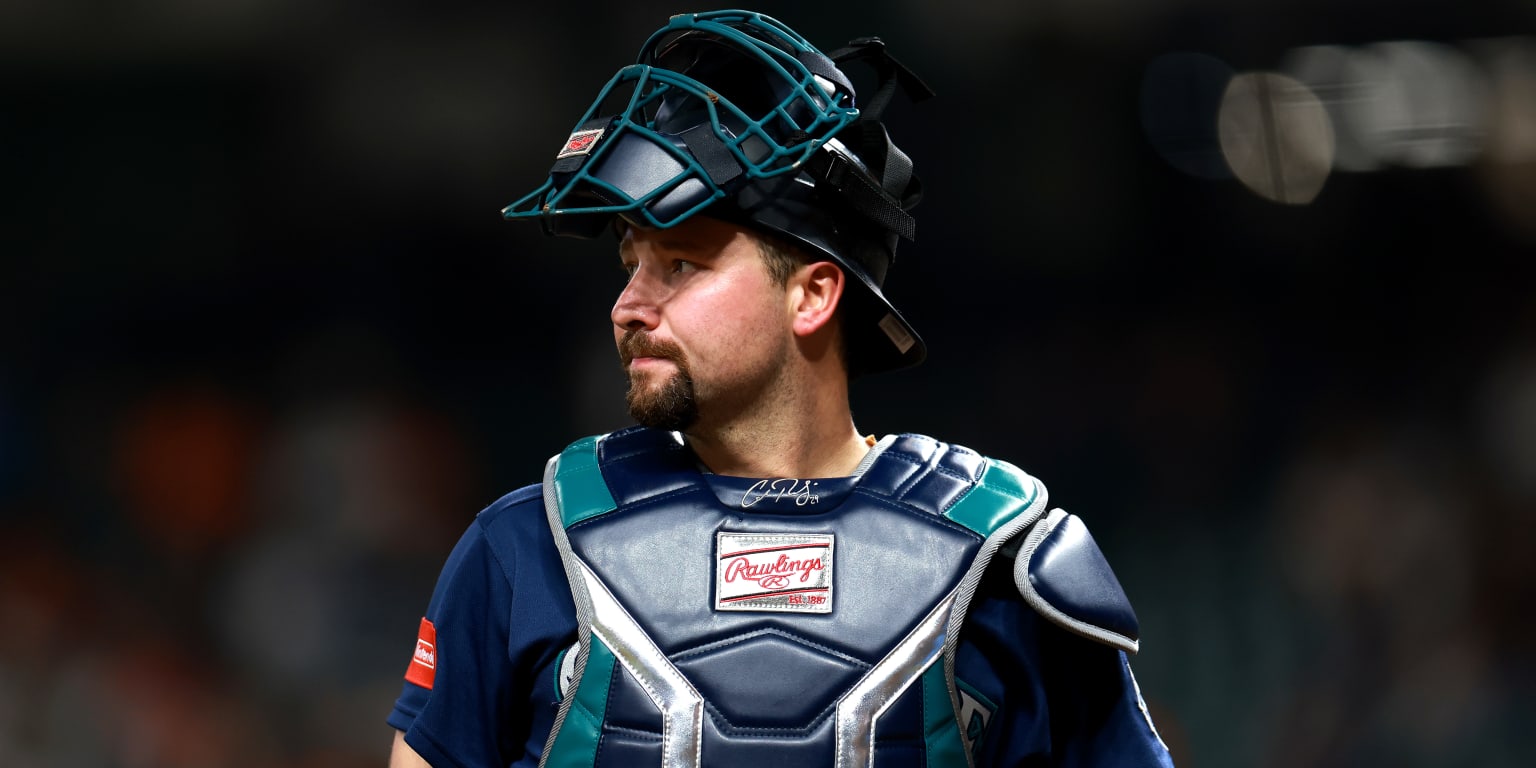
Cal Raleigh played light catch for the first time in nearly two weeks on Memorial Day at Seattle's Arizona facility, marking a modest but deliberate step in his recovery from a right oblique strain. The Mariners placed him on the 10-day IL on May 14, and manager Dan Wilson made clear Monday that the organization will not be hurried by Raleigh's competitive nature or the team's desperation for his bat. Oblique injuries have a reputation for recurrence—Raleigh himself re-aggravated the muscle only two weeks after it first flared—and Wilson's repeated emphasis on patience signals that front office and medical staff see the injury as one that demands a full reset rather than a managed grind-through.
The context matters here. Seattle is 4-6 without Raleigh, a record that would be alarming in a playoff race but doesn't yet constitute crisis management in late May. His absence has exposed a reality that actually insulates the team from desperation: backups Mitch Garver and Jhonny Pereda have combined for a .790 OPS during his absence—a mark that ranks fifth among all catching units league-wide. Pereda delivered a go-ahead homer against the White Sox last Wednesday; Garver added a critical two-run shot in Kansas City on Friday. The Mariners haven't been forced into a reckless rehabilitation schedule because they haven't collapsed.
Raleigh's path forward now moves toward Minor League game action, likely at Triple-A Tacoma or High-A Everett, with no timeline fixed for that transition or the subsequent return to the majors. Wilson indicated he and the athletic training staff will continue monitoring Raleigh in Arizona because the specialized personnel and facilities there outweigh the marginal value of having him at the major league site. The fact that Raleigh had begun a career-worst 0-for-38 slump immediately before re-aggravating the injury adds another psychological dimension: a player fighting mechanics and confidence issues needs to trust that his body is completely stable before returning to competitive at-bats. A premature activation could compound both the physical and mental setback.
For betting purposes, this injury should be treated as a longer-term absence than the surface IL placement suggests. Raleigh won't appear in meaningful lineups for at least 7-10 more days, and likely longer. That timeline creates opportunity on two fronts. First, the Mariners' bullpen utilization and bench depth will remain stretched for the next week-plus, meaning Wilson and his coaching staff are forced to dig deeper into their relief corps and deploy backups in situations where Raleigh would normally catch. Second, and more directly: any prop line tied to Raleigh's next game—his first at-bat, his first game RBIs, his first game hit—will inherit execution risk from a player returning after a multi-week absence with mechanical rust. If Raleigh is activated and asked to catch immediately, his framing and game-calling will be sharp, but his offensive timing will not. Expect elevated strikeout rates and reduced contact quality in his first 5-7 games back; the oblique strain doesn't just sideline him, it creates a re-entry valley.
Gabe Speier's impending activation adds another wrinkle. The lefty reliever is nearly ready to rejoin the club—he threw a scoreless inning Saturday at Triple-A Tacoma—but Wilson flagged the need to monitor his bounce-back before using him. Against Oakland's left-heavy lineup, Speier's availability would theoretically improve Seattle's leverage bullpen. But if he's still building innings and arm strength, expect early-game usage only this week, not high-leverage ninth-inning spots. The Mariners' relief allocation will remain a guessing game until both Raleigh and Speier are fully cleared.