Raleigh's IL Stint Opens a Gap in Mariners' Catching—and Betting—Equation
By Erik Schwartz ·
Seattle's MVP-caliber catcher is sidelined with an oblique strain just as his season-long offensive struggles create a vacuum behind the plate.
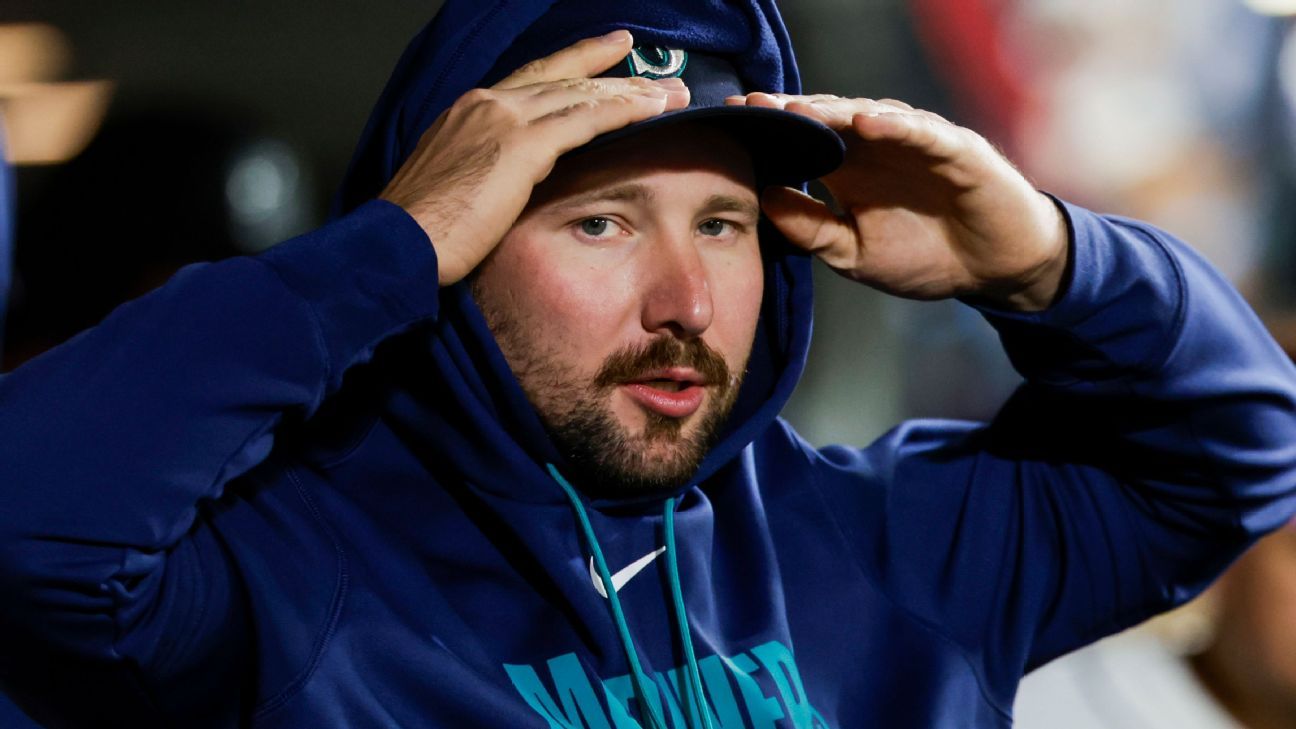
Cal Raleigh landed on the injured list for the first time in six major league seasons, sidelined by a right oblique strain with no firm rehab timeline in sight. The Mariners catcher took first swings off a tee Friday and caught a bullpen session in Arizona, but Seattle has not yet cleared him for rehab games. Raleigh said mid-week clarity should arrive, though the team remains cautious—a posture that stands in sharp contrast to his own drive to return as soon as possible.
The timing of this injury is oddly convenient for a player drowning at the plate. Through 41 games, Raleigh sits at .161 with a 0-for-38 stretch that ranked as the majors' longest hitless skid this season before snapping it with two singles against Houston. Seven home runs and 18 RBIs tell part of a deeper story: Raleigh came into 2026 as last year's AL MVP runner-up, yet he's been a liability offensively. The oblique strain forced a recalibration—Raleigh acknowledged he'd previously played through pain, but this time he's choosing recovery over toughness. That shift in mindset matters less for his individual comeback than for Seattle's catching depth.
While Raleigh heals, the Mariners must navigate a catcher vacancy. A backup option will carry the workload, and his offensive profile will reshape team batting lines and run-production expectations. If Seattle's primary replacement is a low-hit, low-power option, the team's offensive ceiling tightens. If it's a competent bat, the impact softens. Either way, Raleigh's absence removes an elite defensive framer from the pitching equation—his game-calling and pitch-sequencing authority won't be available, which could subtly alter strikeout rates and walk rates for Mariners hurlers. That's a secondary angle worth monitoring once rehab timelines solidify.
From a prop perspective, Raleigh's personal hitting lines are now irrelevant until he clears rehab and returns to game action, likely weeks away. His home run props, RBI props, and hit totals should be pulled from boards entirely or adjusted for replacement-level production. More durable is the Mariners' team total impact: a .161-average catcher being replaced by a .220 or .240 hitter doesn't move the needle dramatically, but in tight AL West races where Seattle entered Sunday just 1.5 games ahead, every run counts. If the backup carries significantly lower offensive value—strikeout rate above 28%, slugging below .350—lean toward unders on Mariners team totals until Raleigh returns. Conversely, if the replacement is league-average or better, the damage is contained and team totals remain fairly priced.
Raleigh's absence also creates a minor prop angle for Mariners pitchers: fewer experienced game-callers behind the plate can lead to elevated walks and strikeout volatility for some relievers, particularly younger or inconsistent arms. Monitor bullpen prop lines for pitchers who rely heavily on catcher's guidance. Once Raleigh's return date crystallizes—likely in mid-to-late June based on his current timeline—those angles flip back. Until then, the Mariners' catching void is the operational fact driving all secondary prop adjustments.