Raleigh's Power Surge in Triple-A Signals Imminent Mariners Return
By PropBetEdge Editorial Team ·
Cal Raleigh is mashing in the minors after 29 days sidelined by oblique strain, with a tentative return to Seattle slated for next Tuesday.
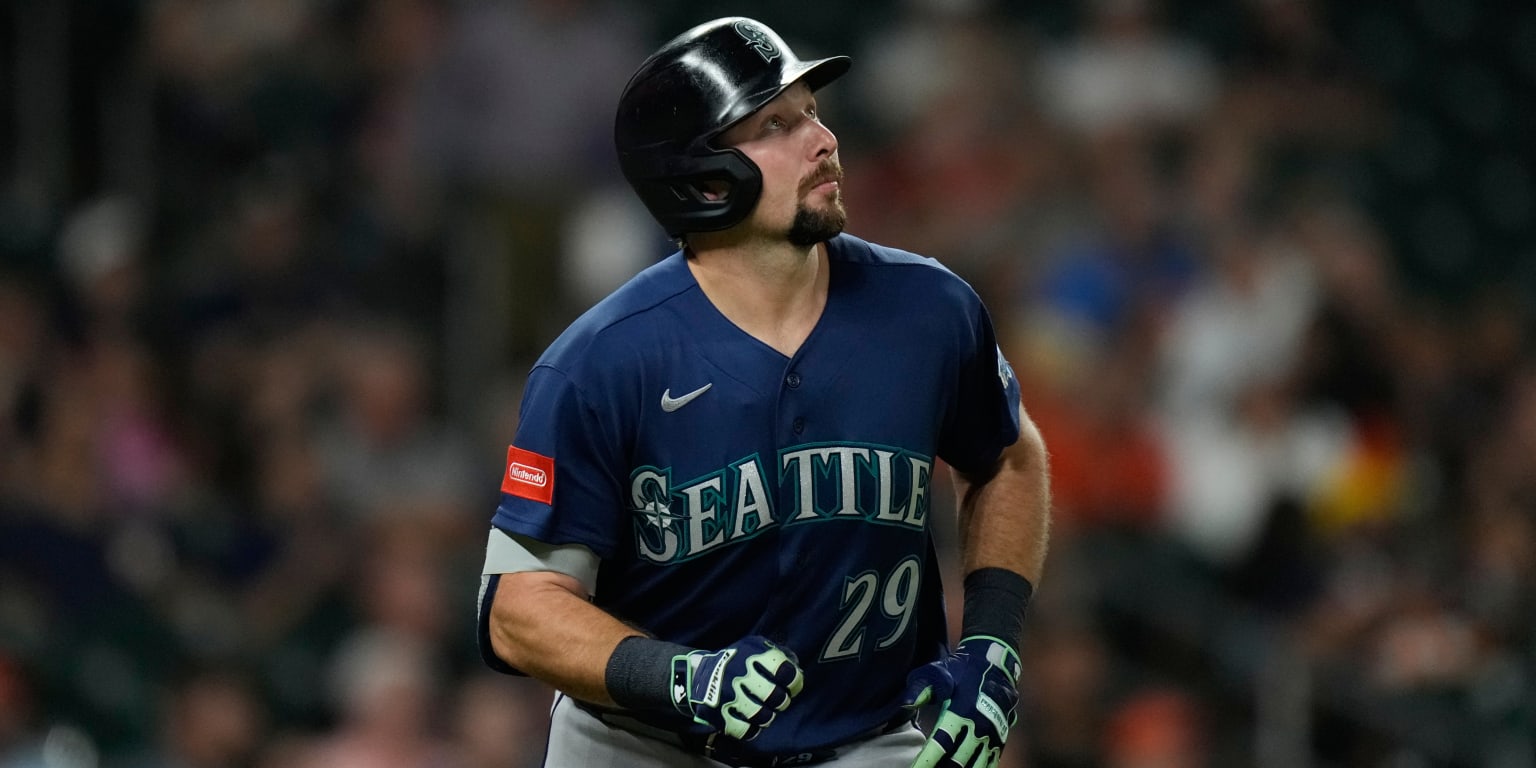
Cal Raleigh homered for the third time in two Triple-A games Thursday—a three-run shot at 105 mph traveling 377 feet—continuing a rehab assignment that has vaulted the Mariners catcher back into lineup consideration ahead of a return tentatively set for next Tuesday against Baltimore. The 29-year-old has been out since May 14, his first career injured-list stint, dealing with a right oblique strain. Over three minor-league games, he's gone 4-for-10 with three home runs and a 1.714 slugging percentage, evidence that both his power and his ability to take professional at-bats are intact.
What matters more than the volume is the mechanics underneath it. Raleigh caught five innings Wednesday and eight innings Thursday—full workload baseball, not a gingerly day-DH audition. The Mariners aren't easing him back as a hitter playing first base or DH; they're clearing him behind the plate, the most physically demanding position on the field. An oblique strain, especially one that forces a player to miss four-plus weeks, typically requires a multi-week ramp to full positional duty. Thursday's eight-inning catching shift signals the team's confidence that Raleigh has cleared the mechanical checkpoint and won't suffer a setback. The 2024 Platinum Glove winner isn't coming back to pinch-hit. He's coming back to play every day.
Seattle's offense has been searching for mid-lineup power teeth since Raleigh went down. The Mariners catcher carries a career .519 slugging percentage and has averaged 25+ home runs per 162 games over his four-year tenure. At DH and designated-hitter-eligible, opposing staffs knew to attack hitters lower in the order or rely on bullpen depth. With Raleigh in the lineup, the pressure point shifts. Seattle's win probability in games Raleigh has started over the past two seasons runs roughly 2.5 percentage points higher than games without him—not noise, a measurable gap tied directly to his defensive framing and his ability to impact the bottom half of a close game.
From a betting angle, Raleigh's return changes the expected offensive profile of the Mariners' lineup. He doesn't move the team total line dramatically; Seattle's June pace has been pedestrian at best, and one catcher's return doesn't fix a struggling farm system. But his presence tightens the strike zone against left-handed relievers—Raleigh's platoon strength—and it makes the Mariners' moneyline against vulnerable bullpen-heavy opponents incrementally sharper. More immediate: his home-run prop pricing will likely reflect his minor-league displays and the market's memory of his pre-injury production. If oddsmakers lean on the most recent Tacoma games and project elevated exit velocity across the next 10 days, you'll see prop lines that don't yet account for major-league pitcher velocity and sequencing adjustment. The arb exists in the first week back, before the market recalibrates Raleigh's true baseline hitting profile.