Red Sox Fenway Collapse Runs Deeper Than One Pinch-Hit Homer
By Erik Schwartz ·
Ceddanne Rafaela's two-run shot masks a historic offensive void at home, and the pitching excellence that shouldered this rebuild won't paper over the cracks forever.
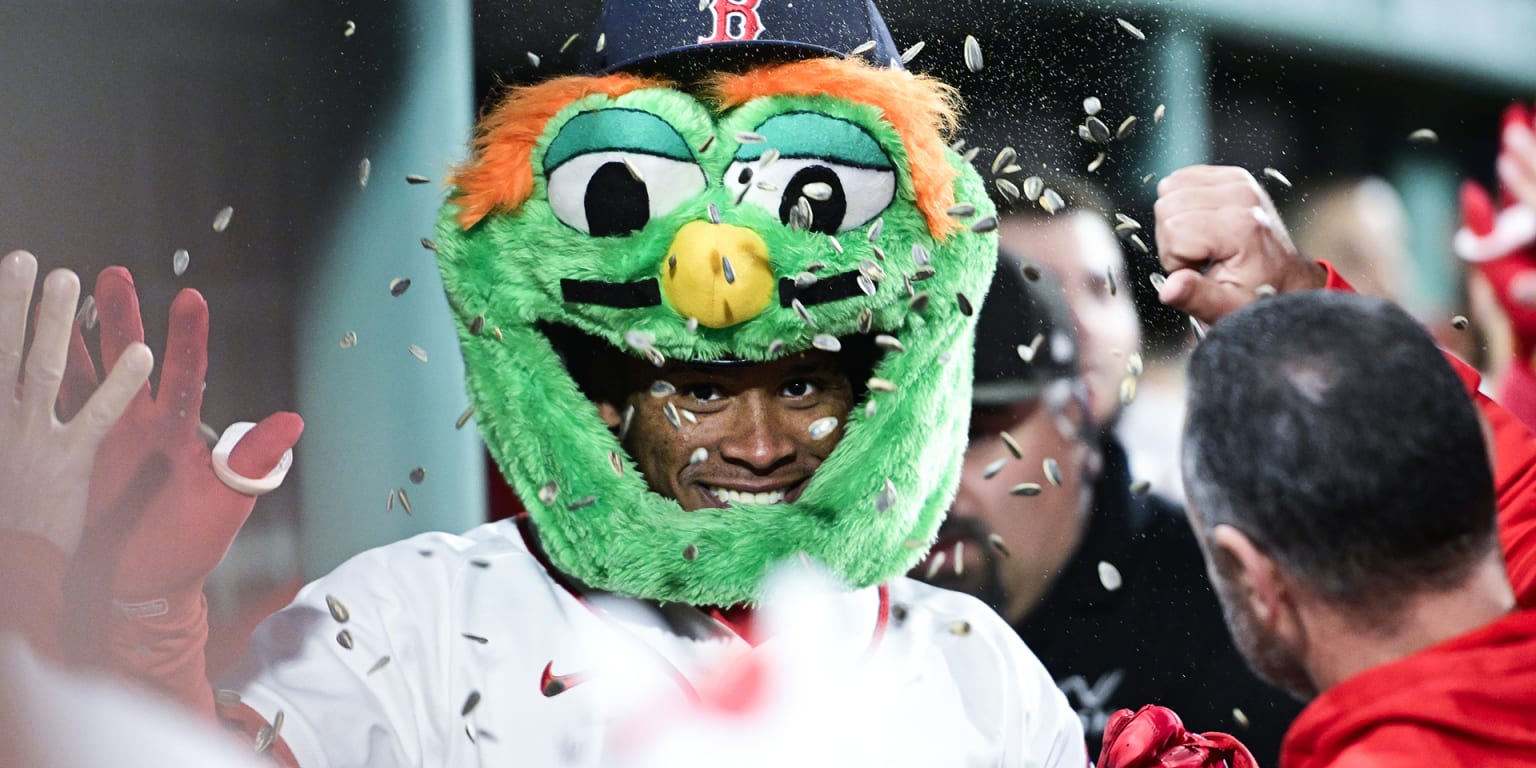
Ceddanne Rafaela launched a two-run pinch-hit homer in the sixth inning Wednesday to lift Boston past Philadelphia 3-1, a result that felt like relief in a season defined by offensive paralysis at Fenway Park. The homer itself was impressive—a 376-foot blast off a 96.8 mph fastball on a 1-2 count that snapped a 1-1 tie. Trevor Story also contributed a solo shot, his first at home this season. But the box score tells a story far grimmer than the final line: Boston ranks 30th in home runs at Fenway (11 through games played), 26th in batting average (.223), 30th in slugging (.326), and 28th in OPS (.626). Sonny Gray delivered another stellar start—two hits, one run, six strikeouts—as the Red Sox pitching staff continues to execute at an elite level. But that's exactly the problem.
The organizational pivot toward pitching and defense after Alex Bregman departed to Chicago was always going to require offensive minimalism. What it wasn't supposed to require was this minimalism, particularly at a ballpark designed to reward the long ball. Boston is averaging 2.86 runs per game at home, which ranks 29th. That's not a slow start or variance; it's structural underperformance. Even if the Red Sox snap into their season-long offensive groove in the coming weeks, the damage at Fenway already runs 18 games deep into a rebuilding year. Gray's belief in the offense—"our time is coming"—reflects the rational hope of a pitcher watching his elite work get wasted on a team that can't generate consistent run support. But hope and probability are different things.
The Rafaela homer carries real significance within the team's timeline, though not the way the local narrative frames it. Rafaela is off to a respectable season compared to many in the regular nine, and his ability to deliver in high-leverage spots (pinch-hitting, two outs, tie game) is a measurable skill. That's worth tracking. But one two-run single doesn't break a 30th-ranked offensive unit at home. What matters going forward is whether Boston's road offense—demonstrably better than Fenway output—is a real edge or a mirage born from playing weaker competition away from Boston's cavernous dimensions. If it's the former, the Red Sox have an actual angle for value in road games. If it's the latter, the pitching will eventually tire of bankrolling an anemic lineup.
The market has already priced this team's ceiling: 18-24 start, pitching elite, bats dormant. The prop angles here track backward from that reality. Sonny Gray's strikeout totals will remain artificially low-leverage (he's getting more strikeouts per start, but fewer total pitches because the game flow demands he pitch shallow into games). Rafaela's pinch-hitting rate—which is elevated because the starting lineup can't produce—makes him a correlated long-ball candidate when he appears, but that's a single-game variance play, not a durable edge. The real angle is team totals at Fenway in the short term: if the line moves up based on Wednesday's win, fade it hard. Boston's 30th-ranked home offense doesn't improve in a single night because one bench player went deep. Expect reversions downward over the next 10 games.
The timing of this win also matters for fade purposes. Late April into early May is when books start adjusting seasonal splits. If you see the Red Sox home team total moving from 3.5 to 4.0 based on a single-game sample against a middle-of-the-pack Phillies pitcher, that's a tell that the market is chasing Wednesday's narrative rather than the underlying offensive infrastructure. Gray and the pitching staff will keep Boston competitive, but "competitive" and "generating consistent offense at Fenway" are two different things. The prop edge isn't in predicting Boston's next home game score; it's in fading the overcorrection when it happens.