Quero's Walk-Off Two-Run Shot Caps White Sox Comeback Win Over Cubs
By Ty Whitney ·
Edgar Quero's first home run of the season in the 10th inning completes a White Sox rally from 3-0 down, signaling offensive depth returning to a roster that hasn't been 2 games over .500 since September 2022.
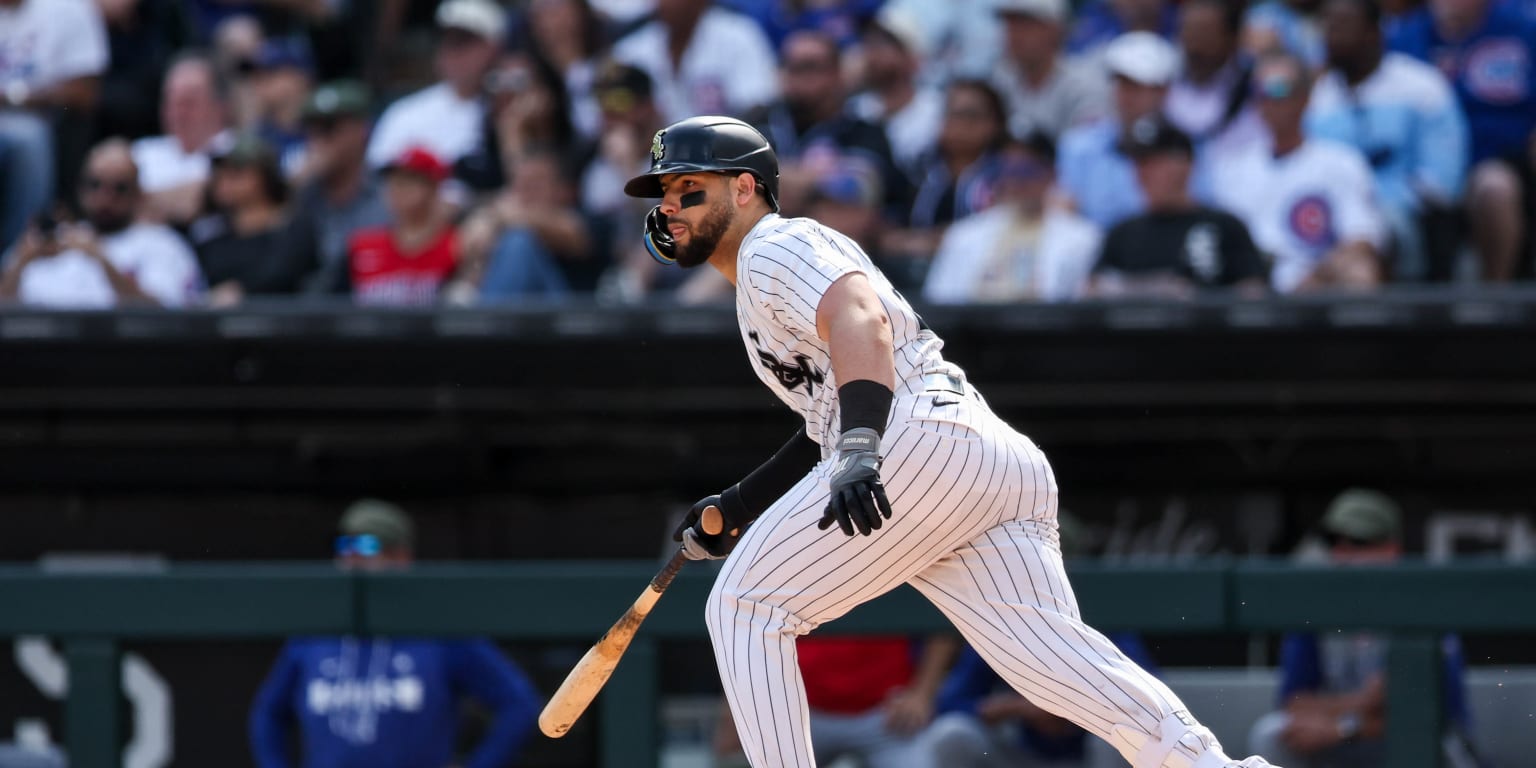
Edgar Quero's two-run homer off Ryan Rolison in the 10th inning delivered a 9-8 victory for the White Sox over the Cubs on Sunday, clinching the Crosstown Cup series in front of 38,608 at Rate Field. The blast marked Quero's first long ball of the season and capped a game that swung on relief pitching volatility and situational execution—the White Sox stranded multiple runners while the Cubs converted late innings with precision.
The White Sox entered the ninth down 7-4 after Tristan Peters' three-run shot off Phil Maton in the eighth gave them a fleeting lead. A walk and a Miguel Vargas throwing error opened the door; Michael Conforto's three-run homer off Seranthony Dominguez knotted the game at 8 and forced extra innings. The Cubs had jumped ahead 3-0 in the first on Michael Busch's two-run blast off starter Erick Fedde, who lasted only three innings and four runs on six hits. Yet Chicago's offense stalled elsewhere—1-for-10 with runners in scoring position—leaving the door open for precisely this kind of comeback.
The White Sox rotation depth remained a constraint: Fedde's early departure meant the bullpen carried the load. Sean Newcomb, Grant Taylor, and Bryan Hudson delivered two scoreless innings apiece, with Hudson notably escaping a first-and-second, nobody-out jam in the eighth. That ability to strand runners and survive mistakes—Vargas' error notwithstanding—kept the game close enough for the 10th inning collapse. The victory moves Chicago to 24-22, their first winning record margin of 2 games or better since September 22, 2022, when they stood 76-74.
From a betting lens, this result exposes an important flaw in how the market priced these teams relative to their actual depth. The White Sox entered as underdogs in a series against a Cubs roster that appeared to have superior starting pitching and lineup talent. Yet the Cubs' inability to execute with runners in scoring position—a repeating pattern that shows up across multiple games—created an exploitable disadvantage in close contests. Quero's homer, while fluky in isolation (his first of the season in the 10th), arrived in a context where the White Sox had grinded out opportunities and the Cubs' bullpen had been taxed. In tight series where relief usage stacks, the team with better bench depth and the ability to work pitcher counts picks up these games. The White Sox's three straight sellouts and series-clinching win suggest the market had undervalued their ability to compete at home in high-leverage spots.
Looking forward, Chicago's climb back to 2 games over .500 for the first time in nearly two years signals a franchise inflection point. Teams that push through this threshold often sustain it because the narrative and the metrics begin to align—the White Sox have the pieces to stay there if Fedde can limit his early-inning exposure and the bullpen sustains this performance. Cubs bettors should monitor their situational hitting specifically in close games; the 1-for-10 RISP mark is unsustainable but also suggests that targeting their unders in tight contests has merit until that trend reverses.