White Sox Snap Out of Rebuild Mode: Four Straight Wins Signal Legitimate Offensive Inflection
By PropBetEdge Editorial Team ·
Chicago's 25-14 stretch since mid-April reveals a roster that's finally connecting on power, and the injury to Murakami may force earlier-than-expected production from role players with betting implications.
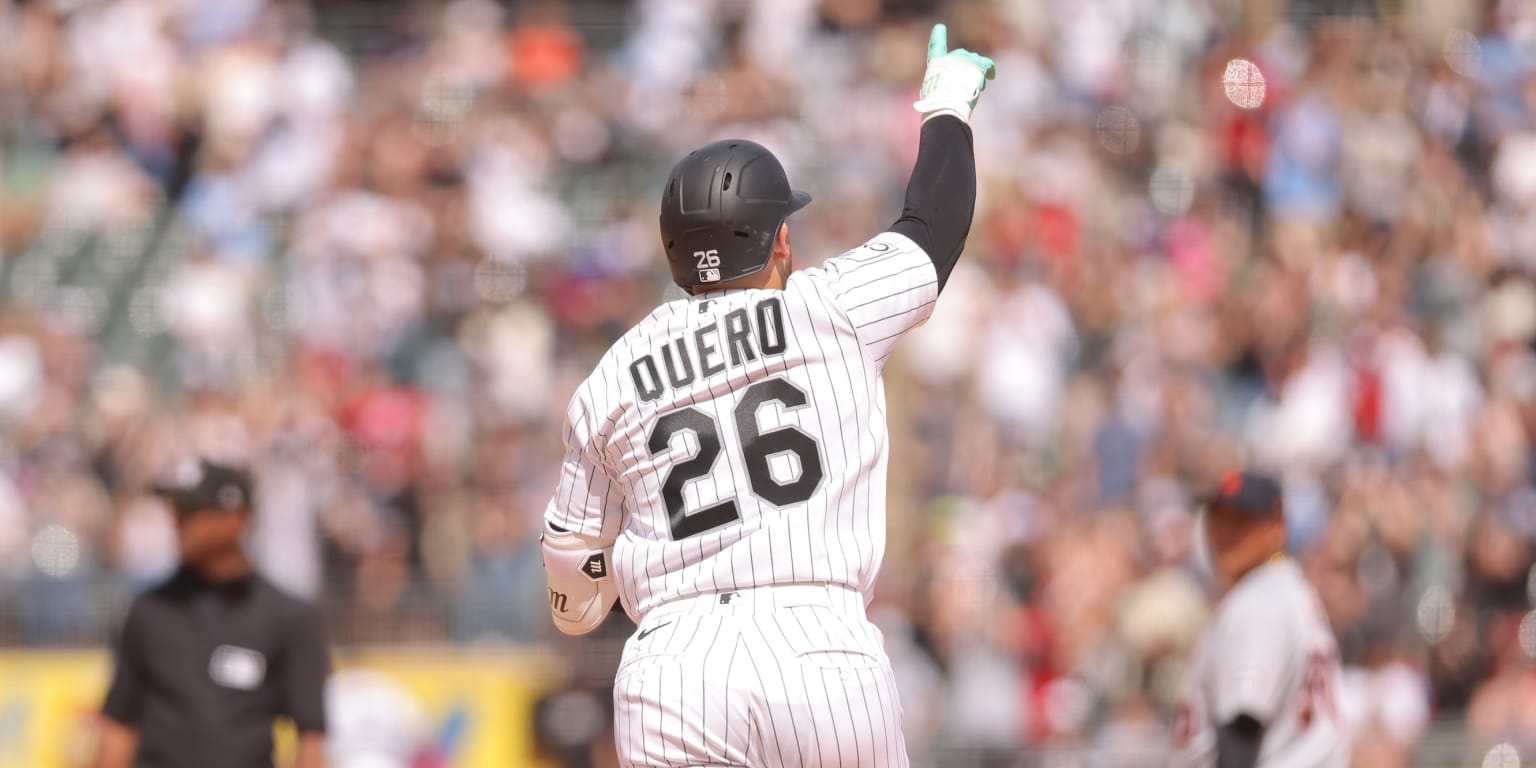
The White Sox rolled past Detroit 7-1 on Saturday, extending their winning streak to four consecutive games and improving to 31-27—a season-best four games over .500. The offensive display wasn't flashy: two runs in the first, two in the seventh off Framber Valdez, three in the eighth off Beau Brieske. But in the context of Chicago's season arc, it marks a material shift. Since April 17, when the South Siders bottomed out at 6-13, they've compiled a 25-14 record, a .641 winning percentage that would project to roughly 104 wins over a full season. At home, the gap is even starker—they're 15-3 in their last 18 games at Guaranteed Rate Field.
Edgar Quero's solo homer in the seventh was the centerpiece, supplemented by Colson Montgomery's 14th home run and Andrew Benintendi's two-run blast in the eighth. The power production matters less for the moment itself than for what it signals about roster composition. Quero, a catcher acquired earlier this offseason, is proving durable enough to start and produce in the middle lineup. Montgomery is hitting with authority in his first extended stretch in the majors. These aren't All-Star caliber names, but they're performing at rates that justify regular at-bats.
The complicating factor arrived pre-game: Munetaka Murakami, Chicago's 20-homer power source, landed on the 10-day injured list with a Grade 2 right hamstring strain and is projected out 4-6 weeks. That's a material hit to depth. Murakami's absence doesn't crater the offense—the White Sox just beat the Tigers without him—but it does mean the secondary power outlets (Montgomery, Quero, Benintendi) will face elevated leverage and opportunity cost. If Chicago's offense depends on role players to maintain a .640 win rate over the injury window, the market may be overestimating the team's resilience. Conversely, if this four-game stretch reflects genuine improvement in plate discipline and contact rates rather than variance, the underlying numbers could support continued overs on team totals.
The pitching picture—Anthony Kay allowing one run over 5-plus innings with three strikeouts, Grant Taylor striking out four over two perfect frames—suggests Chicago's starting rotation is finding stability after a volatile spring. That's the element that could sustain the streak beyond the power surge. A league-average starter throwing 5+ innings and ceding one run becomes a +EV baseline, especially if the bullpen continues to execute. The Tigers' offensive impotence (one run, Wenceel Pérez's solo shot being the only damage) is partly about Kay's competence and partly about Detroit's struggles, but the distinction matters for next-week projections when Chicago faces better lineups.
For prop purposes, the edge isn't in backing continued blowout wins—the market will price Chicago into -150 territory after four straight wins, and variance will eventually reassert. The angle lives in White Sox team totals against mediocre pitching in the near term. With Murakami sidelined, oddsmakers may shade Chicago's run-production forecasts down slightly, creating value on overs if the opponent's starter carries an ERA north of 4.50 and the White Sox face a bullpen without plus-shutdown arms. The 4-game winning streak is real; the roster hasn't fundamentally changed. But the injury opens a window where role players get forced opportunities, and forced opportunities at better odds than their baseline talent suggests can be profitable for 7-10 days before the market reprices.