White Sox Snap Skid Against Yankees on Quero's 12th-Inning Single
By PropBetEdge Editorial Team ·
Chicago's eighth walk-off of 2026 underscores a team clawing back into Central contention, but the path to relevance depends on whether Wednesday's heroics mask deeper offensive fragility.
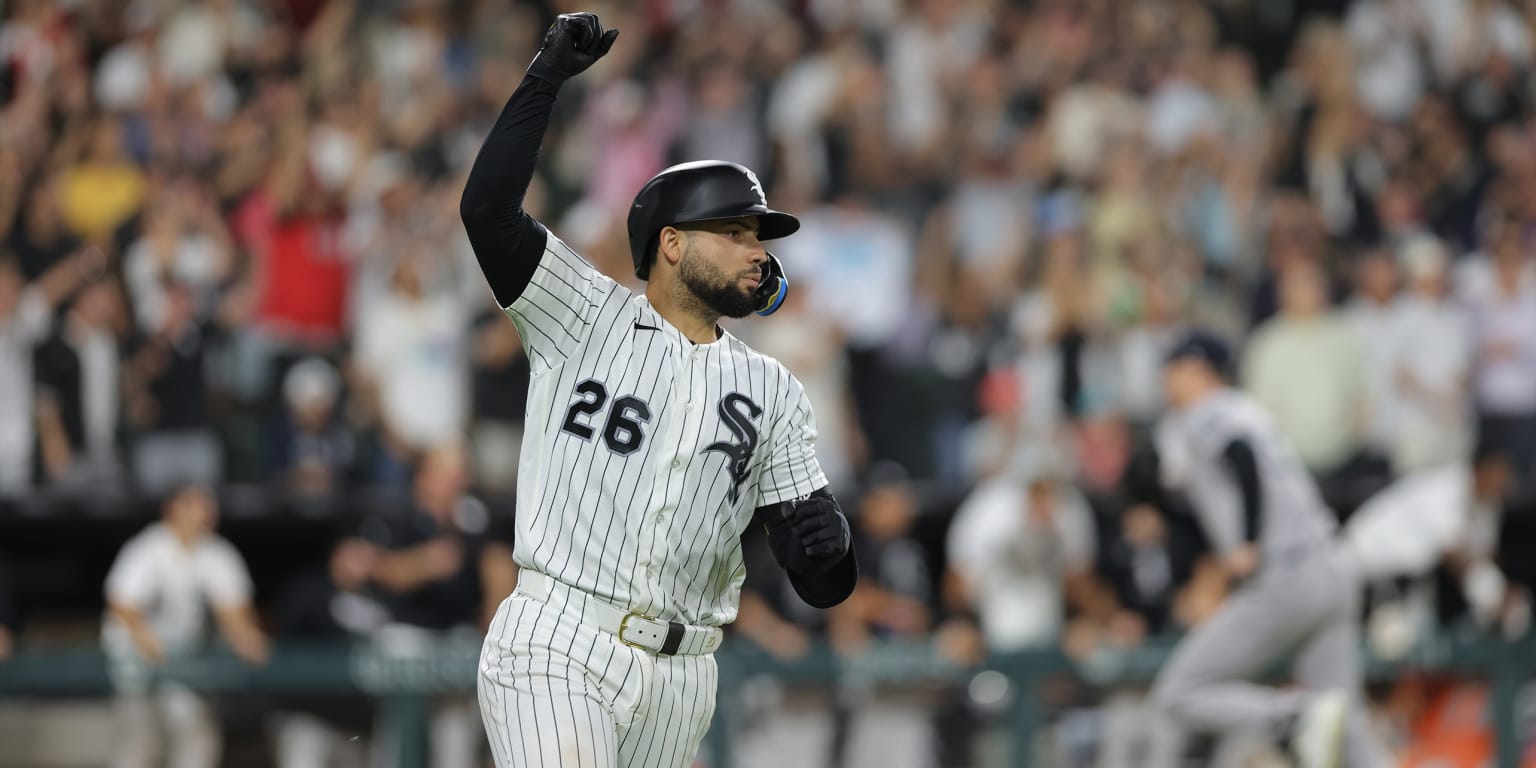
Edgar Quero's one-out single in the 12th inning plated Tristan Peters and gave the White Sox a 6-5 victory over the Yankees on Wednesday at Rate Field, snapping a losing streak in the four-game set and keeping Chicago 1.5 games ahead of Cleveland in the AL Central. The walk-off was Quero's second of the season and the team's eighth—an unusually high conversion rate for late-inning drama that has become a mascot for a White Sox squad sitting at 56-51 with a shot at postseason relevance. But the win masked a familiar pattern: six scoreless innings against Yankees starter Cam Schlittler before the offense manufactured three runs in the eighth to tie a game New York had dominated from the opening bell.
New York's early aggression—four runs in the first, highlighted by Spencer Jones' three-run homer off Davis Martin—created the deficit Chicago had to climb. Martin stabilized after that barrage, pitching five more scoreless frames on a career-high 106 pitches with six strikeouts, but the White Sox offense remained inert until Fernando Cruz and Paul Blackburn entered the Yankees bullpen in the eighth. Chase Meidroth's double, Sam Antonacci's two-run homer, and Munetaka Murakami's tying solo shot compressed four innings of futility into one explosive frame. An 11th-inning throwing error by catcher Ali Sánchez—a misguided pickoff attempt at third with two outs—handed Chicago fresh life, and Quero capitalized.
From a betting lens, what matters is whether this walk-off reflects Chicago's actual offensive profile or a streak-driven mirage. The White Sox generated exactly one hit off Schlittler through six innings, a result that aligns with the Yankees starter's season performance and suggests the bullpen meltdown, not the lineup's inherent quality, authored the comeback. Jordan Hicks escaped a bases-loaded situation in the 12th by striking out Ben Rice and forcing a routine grounder, a high-leverage sequence that had nothing to do with Chicago's ability to hit fastballs early in counts. Eight walk-offs through 107 games is 6.5 percentage points above the major-league average; that rate typically regresses sharply once the calendar flips to August. Teams that win this way—on late-inning errors and reliever misfires—tend to see their run differential deteriorate before their win total does.
The betting angle hinges on whether the market is pricing Chicago's remaining schedule as if the offense has permanently unlocked. If unders on White Sox team totals have compressed following this win, they represent value for the next 10 days. Quero and company won't face a parade of fractured Yankees bullpens for the rest of the month; they'll face starting pitching and relief arms functioning at league average or better. The single walk-off doesn't change the underlying skill distribution. Watch whether Chicago's team total moves down after this high-scoring affair, and fade the regression bet by leaning unders if the line overweights one midweek comeback.