MLB · lineup
Quantrill's Rotation Reprieve: How Eovaldi's IL Stint Unlocks Texas Depth
A seven-inning shutout against a top-five offense reveals the Rangers' rotation flexibility and a reclamation story with real playoff teeth.
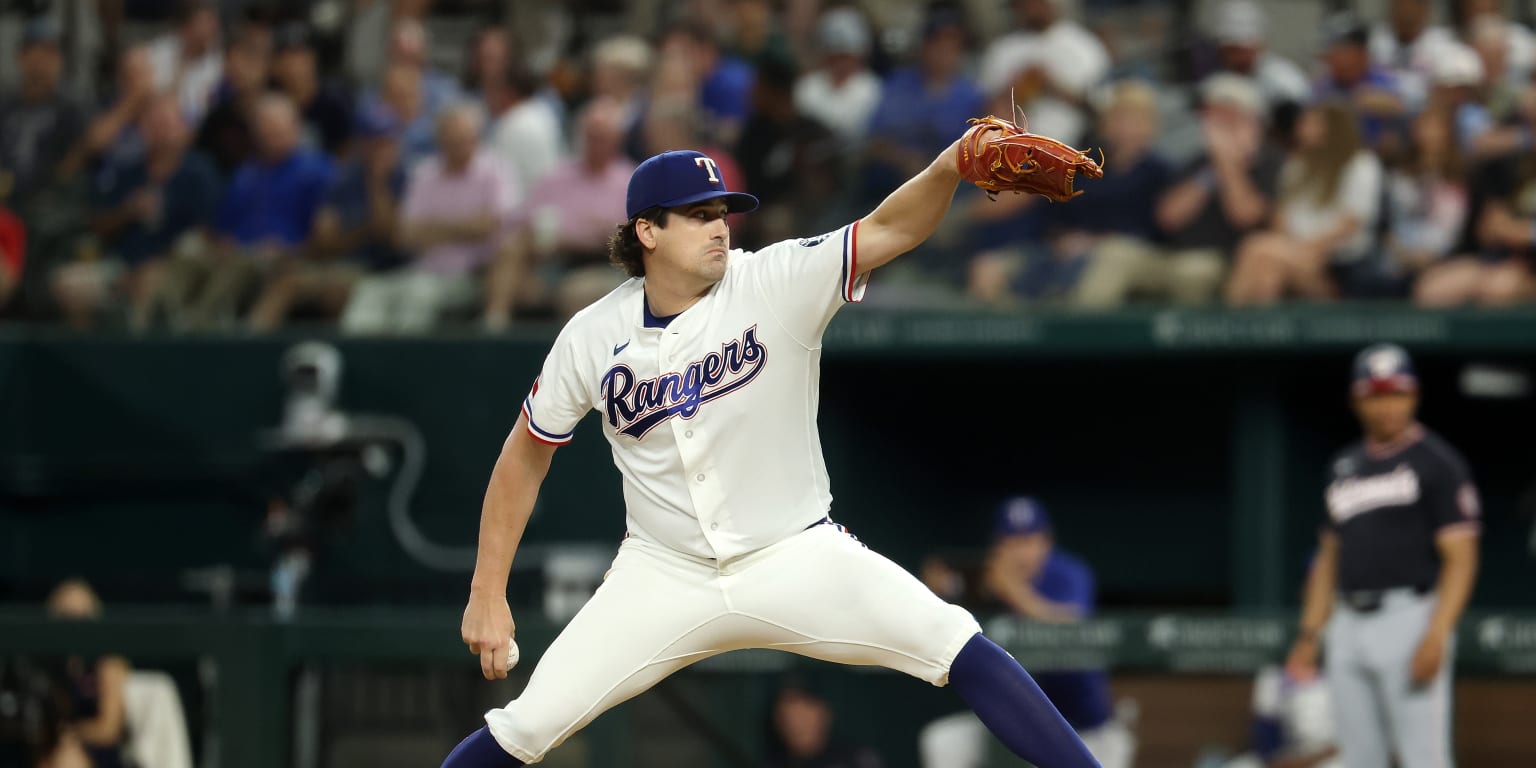
Cal Quantrill delivered exactly what Texas needed: seven scoreless innings on the road against the Nationals, anchoring a 5-0 Rangers victory Tuesday night. The context matters. After a bullpen cameo on August 8, Quantrill was yanked back into the rotation rotation slot vacated when Nathan Eovaldi hit the injured list on August 10—a move that compressed an already tight turnaround into a restart opportunity. For a Rangers team that has leaned on a rotation built around Eovaldi's ace-level workload, Quantrill's ability to eat innings cleanly against a Washington offense ranked in the top five league-wide in runs scored is not a noise result. It's a statement about depth.
Quantrill's 2026 arc traces a particular kind of baseball resurrection. He arrived in mid-April on a Minor League deal—the kind of signing that teams use when they're hedging on a pitcher's durability or market perception. Early on, he was a long-relief instrument, deployed in mop-up spots and blown games. Necessity and a managed buildup changed that trajectory. His rotation debut came June 23 in Miami, a two-inning, one-run outing that looked like a trial. From there, Texas applied a deliberate pitch count ramp: 34, 55, 66, 79, 86 over his first five starts. That's not accidental load management—that's a front office confident enough in the arc to trust the conditioning window. By Tuesday, he was throwing 79 pitches through seven innings, moving without obvious fatigue or velocity decay.
The Nationals, to put this in scale, rank fourth in runs per game this season. Holding them scoreless without walking the tightrope of a no-hitter is efficient dominance, not luck. Quantrill did not issue a single free pass. Against a team that has scored 5+ runs in 38% of their games this season, he forced weak contact and struck early counts.
For bettors, this creates a three-dimensional angle. First, Texas' team total props against mid-tier offenses (Washington has offensive talent but inconsistent run-scoring cohesion) now carry reduced downside risk because the Rangers have a legitimate second starter who can suppress runs. Quantrill's seven shutout innings lower the ceiling on Nationals run production in their next start against a Rangers reliever-dependent bullpen. Second, Eovaldi's absence on the IL compresses the Rangers' rotation depth—meaning Quantrill cannot stay in this role permanently without injury risk mounting for Eovaldi's replacement upon return. The market may not yet account for how much Texas is gambling on Quantrill's durability over the next 3-4 weeks. Third, if Eovaldi requires an extended IL stay (anything beyond 14-21 days is flag territory for starters), Quantrill becomes a de facto rotation fixture, and his reliever-to-starter conversion carries predictive weight for other teams shopping depth arms at the trade deadline. His September performance will matter more than April's.
The immediate prop implication: fade Nationals overs in their next two games at Arlington. Quantrill proved he can suppress a top-five offense; the Rangers' bullpen, by contrast, ranks 18th in ERA in August. If Washington cannot capitalize against Quantrill, they're betting on late-innings salvation against a relief corps that has been spotty. Additionally, Texas team totals of 4.5 or higher in Quantrill's next three starts carry edge because the Rangers are getting run support against weaker offenses with a pitcher who no longer looks like a reclamation project—he looks like a working rotation member.
MLB Intelligence — Baseball intelligence beyond the box score. Open MLB Intelligence →