Prielipp's stuff carries Twins past White Sox; rookie arm reshapes Minnesota's rotation calculus
By Ty Whitney ·
Connor Prielipp threw six-plus innings of quality baseball against Chicago despite an error-plagued defense, signaling the Twins may have found a reliable young arm at exactly the moment they need one most.
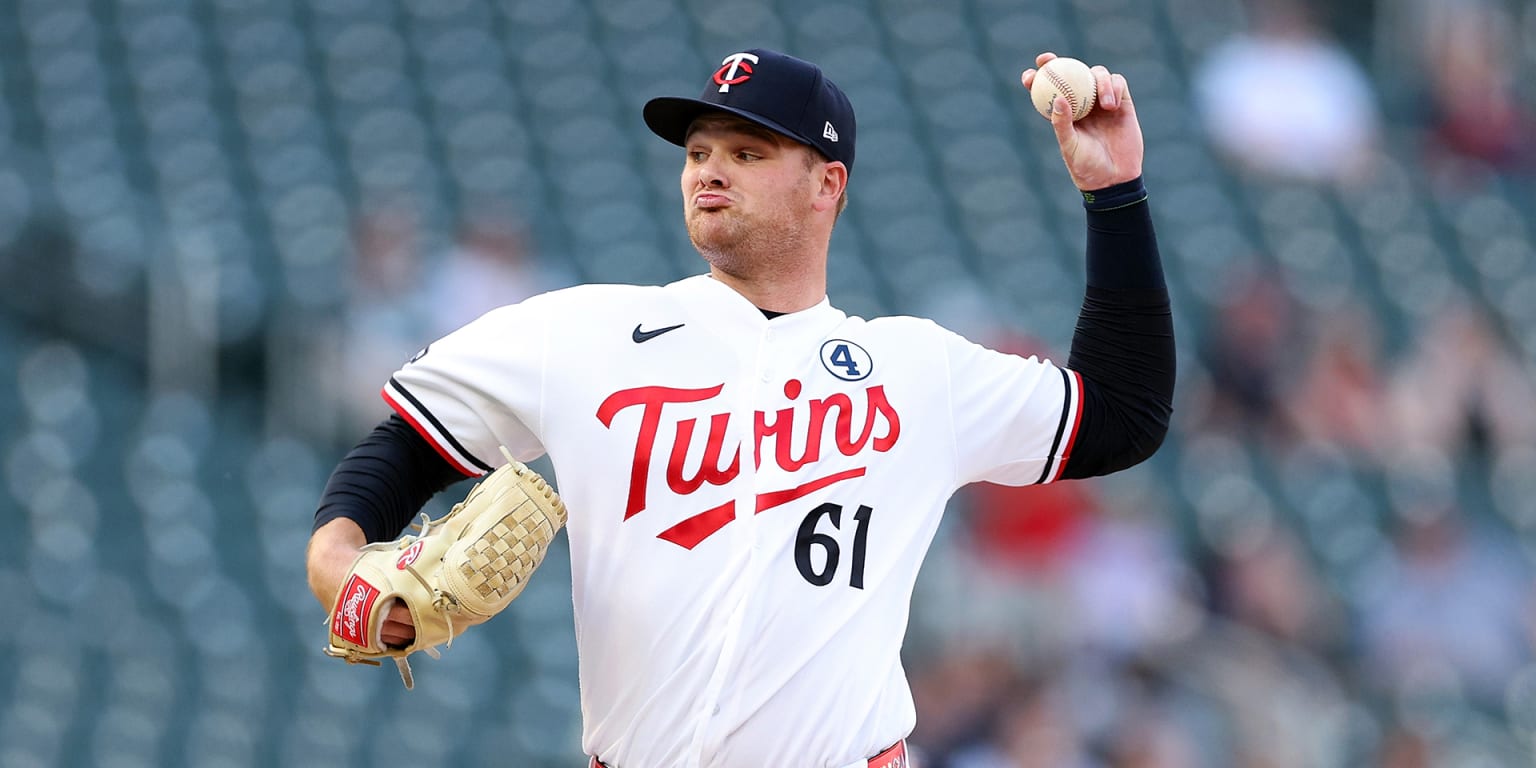
Connor Prielipp delivered six innings of substantive work in Minnesota's 6-4 win over the White Sox on Tuesday, the kind of outing that matters less for its earned-run line and more for what it reveals about a rookie's command under pressure. The 25-year-old left-hander struck out seven, walked two, and surrendered no homers—his best performance since two consecutive poor outings had raised early questions about his sustainability in the rotation. The Twins, ravaged by injuries that have left them four arms deep in the starter pool, can't afford to punt on a young pitcher who shows this kind of stuff.
The four runs charged to Prielipp mask a cleaner reality. Two stolen bases, a throwing error, and a catcher's interference created traffic that had nothing to do with his pitching. One run came on an infield single that should have been recorded as an out. Strip away the defensive noise and Prielipp's true line was closer to 2-3 earned runs over six innings—genuinely strong work for an eighth career start. His velocity backed up the strikeout rate: 95.7 mph average on his four-seam, 95.3 on his sinker, with four whiffs generated on his slider alone. Those numbers matter because Twins management faces a specific tension every time Prielipp takes the ball: protect a prospect with fewer than 200 professional innings since high school, or lean on him to shoulder innings a healthy rotation would distribute across four or five arms.
Minnesota's bullpen situation amplifies the urgency. The relief corps remains volatile—talented in pieces but unreliable as a unit—which means the Twins' margin for error shrinks if starters can't log deep counts. Prielipp's six-plus-inning night does two things at once: it absorbs pressure from an overworked pen, and it proves the kid can function in a role that demands maturity from a player with minimal professional seasoning. The fact that he worked through a third-inning jam and emerged unscathed suggests he's developing the mental equipment to match his arm.
For bettors, Prielipp's rebound matters because it repositions Minnesota's starter quality in markets that may still be pricing the rotation as a net liability. If Prielipp can average five-plus innings per start while striking out six-plus batters, the Twins' team totals gain floor value that wasn't there when the rotation looked purely makeshift. Watch his next three starts against weaker offensive units (he faces Kansas City and Oakland in early May): if he repeats this strikeout rate—seven or more against teams with below-average contact rates—his K props become undervalued in books still applying a rookie discount. The pattern here is single-game variance, but if it reproduces within the next two weeks, it signals a persistent edge on strikeout volume over 6.5 or 7.5 depending on matchup and line.
The White Sox defeat also matters for Minnesota's moneyline and spread volatility. If Prielipp stabilizes as a backend-of-rotation starter who eats six innings and produces league-average results, the Twins' expected win totals move up incrementally—not dramatically, but enough to matter in August playoff-odds calculations. For now, track his velocity and whiff rates in his next outing; if both hold, the market will eventually catch up to his true arm talent.