Guerrero's Fenway Breakthrough Signals Timing, Not Trajectory Shift
By PropBetEdge Editorial Team ·
One 410-foot bomb doesn't erase a 32-day power drought or the mechanical breakdowns driving it—but it does matter for when the Blue Jays' offense gets whole again.
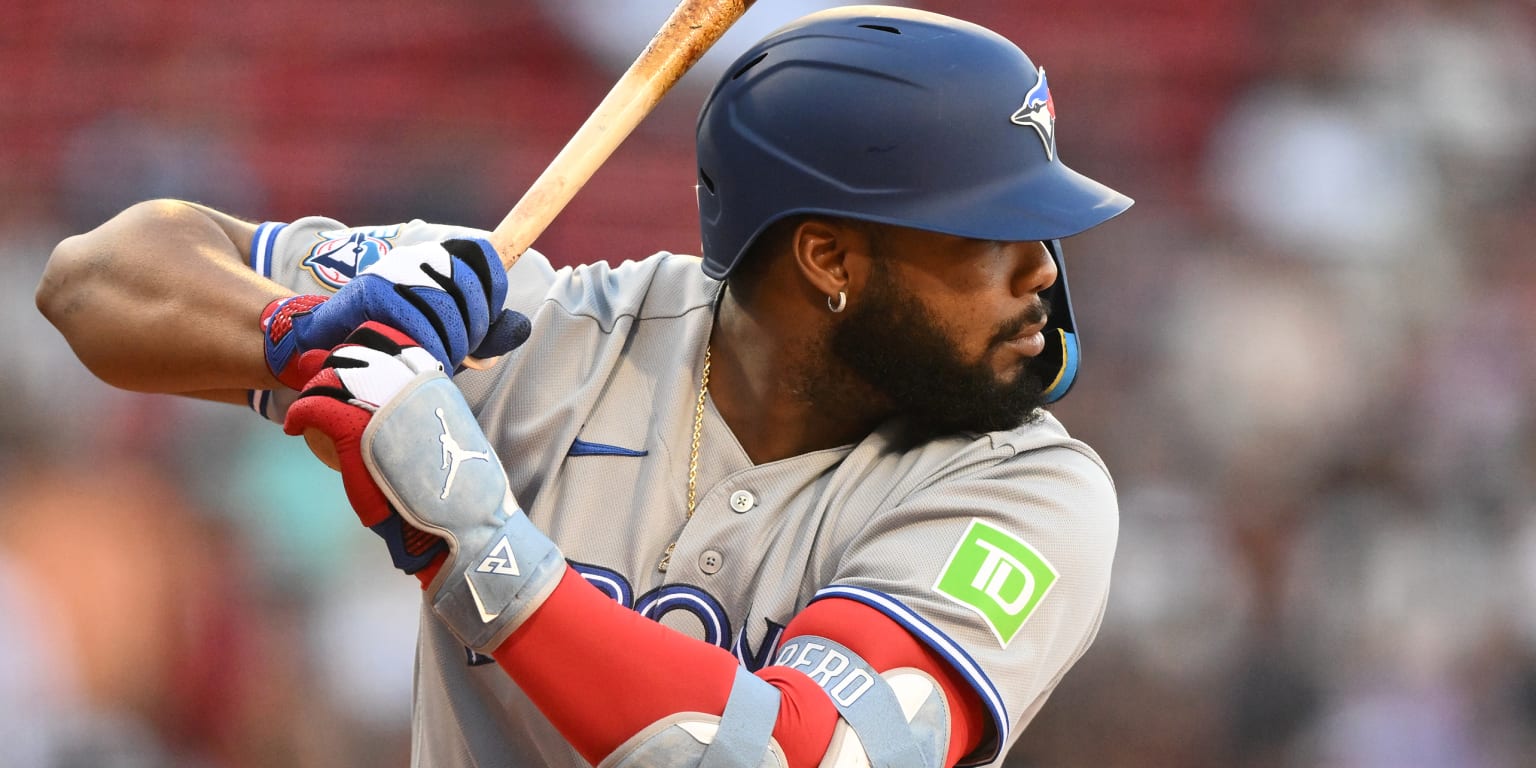
Vladimir Guerrero Jr. hit a home run Thursday at Fenway Park, his first since May 17—a 32-day gap that consumed a full month of the season and turned what should be an MVP-caliber hitter into a .280/.730 OPS liability. The blast cleared the Green Monster and gave Toronto's front office exactly what it's been hunting for: a visible sign of life from the one player with the leverage to reshape a season already complicated by postseason fatigue and mounting injuries.
But the math here is worth holding steady. Coming into Thursday, Guerrero was batting .280 with three home runs in roughly 260 plate appearances—a pace that projects to 18 total homers in a full season, a career trough by a significant margin. His recent work reveals the problem wasn't confidence or focus; it was mechanics. The source material documents too many ground balls and too many whiffs against breaking stuff—classic signs of either a timing leak or an approach collapse. Guerrero himself told the team last week he felt "close," a statement that matters more for what it concedes (things are currently off) than what it promises (they're about to snap back).
Fenway's particular geometry has been a refuge for him historically—a .347 career average with 12 homers in 216 at-bats against a fence that forgives mistakes. Thursday's shot arrived in that context: a division rival, a ballpark built to his strengths, and a team desperate for any momentum heading into the second half. That's not insignificant, but it's also not a mechanically corrective event. One swing doesn't rewire a month-long pattern.
For prop purposes, the immediate angle is narrow and time-sensitive. Guerrero's HR line for the next 3-5 games likely doesn't yet reflect the probability bump from this momentum signal—the market processes visible breakthroughs with a lag, and early-game overs on his home run total over the weekend could catch books still pricing him as a slump player. However, this edge has a short shelf life. If Guerrero returns to his recent 3-for-32 power funk over his next 40 at-bats, the line will collapse inward fast, and you'll be left explaining why one Fenway dinger mattered. The real tell arrives in week two: if the mechanical work translates into consistent hard contact rates (avg exit velo, barrel percentage), then the drought is genuinely broken and you can trust elevated HR prop pricing for the remainder of June and July. Until then, treat Thursday as a data point, not a trend reversal.