Orioles' Walk-Off Habit Masks a Bullpen Crisis That Bettors Should Exploit
By PropBetEdge Editorial Team ·
Baltimore has manufactured three walk-off wins in seven days at Camden Yards, but the mechanism—late-inning pitching collapse—is repeatable and predictable.
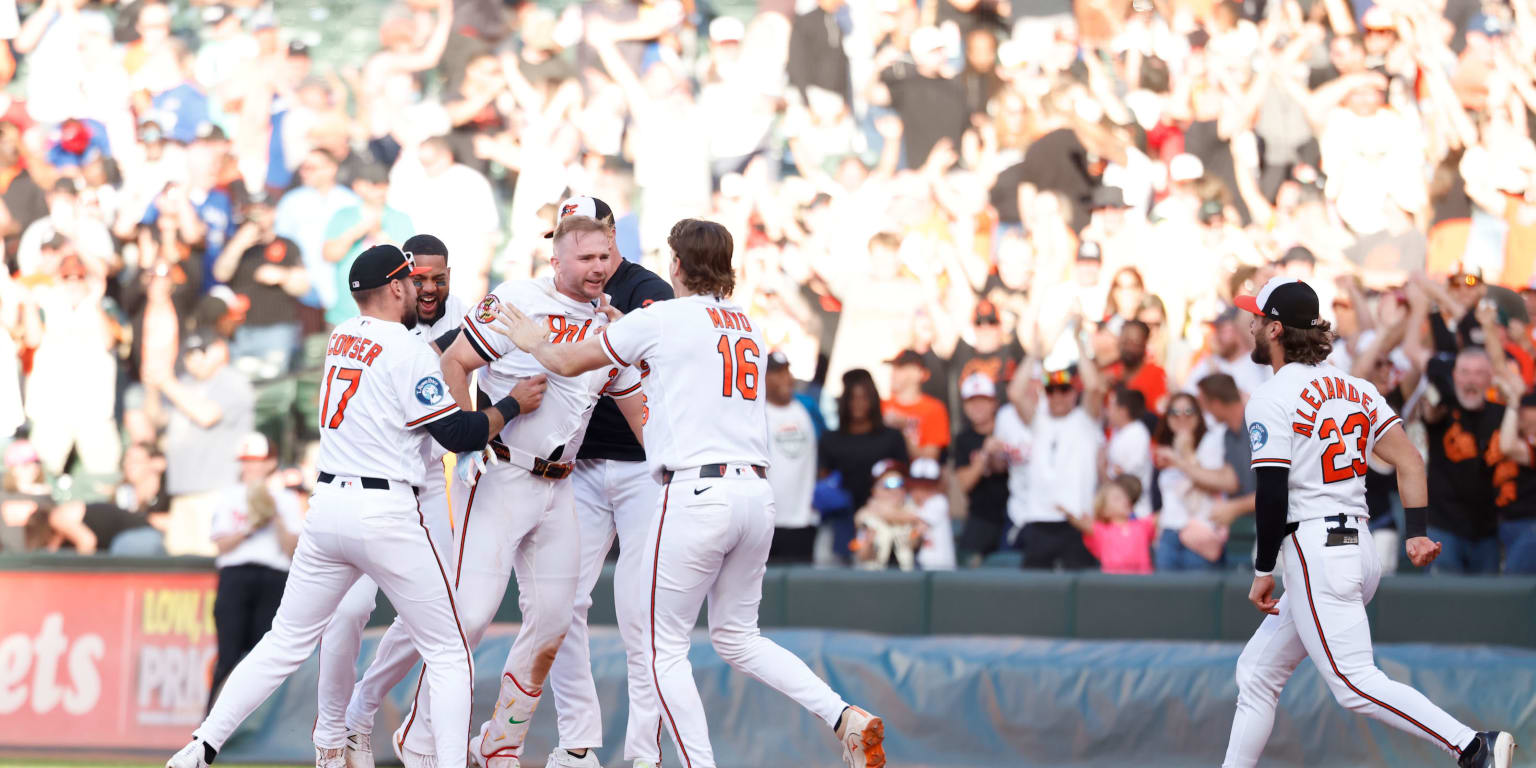
The Orioles scraped past Toronto 6-5 on Saturday when Pete Alonso delivered a bases-loaded single in the bottom of the ninth, capping a five-run rally that erased a 5-1 deficit. It was Baltimore's third walk-off victory in seven days at home, a streak that has generated local momentum but obscures a more durable narrative: the team is winning because opposing bullpens are imploding in high-leverage spots, not because the Orioles are suddenly a fearless offensive unit.
Toronto's collapse in the ninth was mechanical. Jeff Hoffman, the setup man, struck out Samuel Basallo cleanly but then surrendered a hit-by-pitch to Coby Mayo with one out. A triple followed. An RBI single. A double. By the time the Blue Jays yanked Hoffman for Connor Seabold, three runs had scored and the bases remained loaded. Seabold's first pitch to Adley Rutschman was a walk—still bases loaded. Alonso's single ended it. This wasn't heroic ninth-inning hitting; it was Toronto's bullpen executing a masterclass in self-sabotage: three straight relievers unable to record outs when the margin was slim and the leverage was maximum.
The pattern across Baltimore's homestand confirms it. Colton Cowser's walk-off three-run homer against Detroit came off a fatigued arm in a doubleheader scenario. Cowser's walk-off two-run shot against Tampa Bay in a 13-inning grind happened because the Rays' pen couldn't hold a lead across extra frames. These aren't performances that demand respect for Orioles resilience; they're indictments of visiting bullpens showing fatigue, poor sequencing, or both. The Orioles' record entering Saturday stood at 27-32—underwater by five games—which tells you all you need to know about their baseline offensive profile.
For bettors, the angle is straightforward: unders on Baltimore's team total have been overpriced whenever they trail by multiple runs late in games against teams with third-string relief options or bullpen injuries. The Orioles don't come back because they're good; they come back because they play teams that fail to close. When Toronto sent Hoffman and Seabold into a high-leverage ninth with a four-run cushion, the market had already priced Baltimore's win probability as negligible. But if you knew—or suspected from the opposing team's depth chart—that the bullpen was vulnerable, the under on the Orioles' team total became vulnerable in reverse. An over on team total only works if the opposing pen is unreliable; an under works if it's competent. The Blue Jays' ninth inning proved which category they belonged in, but that data point existed in box scores before first pitch.
Look for this edge in future series where Baltimore is a road underdog or early-game underdog against teams with thinned bullpen depth. The Orioles themselves won't be the catalyst—their 27-32 record is their actual performance ceiling. The teams they're beating will be.