Red Sox Rotation Depth Gets Another Test as Suarez Delay Stretches Uncertainty
By PropBetEdge Editorial Team ·
Boston's 14-game win streak masks a pitching timeline problem: their most expensive arm remains sidelined while the rotation holds up without him.
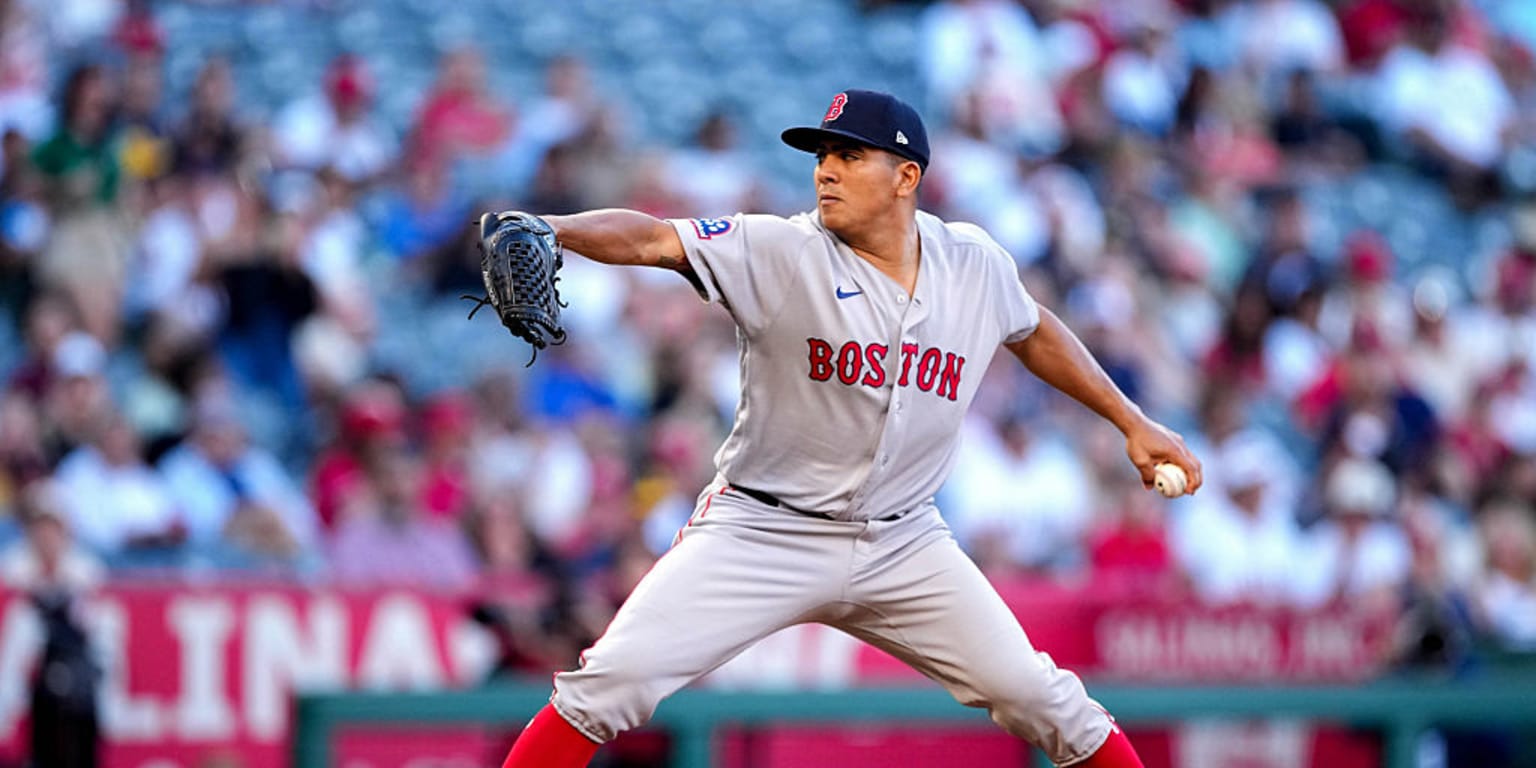
The Red Sox scratched left-hander Ranger Suarez from Tuesday's start against Baltimore, pushing back his return from a left groin strain by at least one more day. Suarez had been cleared to rejoin the rotation after the mandatory 15-day injured list window—he was injured July 5 in Anaheim and has now sat idle for 16 days—but the team opted for caution following Monday's bullpen session. Eduardo Rivera took the start instead, continuing a rotation shuffle that has somehow produced wins at historic pace: Boston has strung together 14 consecutive victories, one shy of the franchise record set in 1951.
The timing of Suarez's delay carries weight because of what his contract represents. Signed to a five-year, $130 million deal in January, Suarez was supposed to anchor a championship rotation. Instead, he's logged only 17 starts with a 3.15 ERA before groin injury sidelined him. The real constraint isn't Suarez's health—groin strains at mid-season tend to heal cleanly with conservative management—but the team's apparent uncertainty about whether he's truly ready. An extra day of throwing drills before game action is standard recovery protocol, not a red flag. What matters is that Boston is comfortable winning without him, which changes how you should price the value of his eventual return.
Garrett Crochet, the ace, hasn't pitched since April 25 due to left shoulder issues, meaning the rotation is operating in emergency mode: Suarez (when available) and a cast of complementary arms holding a 14-0 record over the past two weeks. That's not sustainable; one injury in the active four-man mix and the streak collapses. Suarez's return should stabilize the workload distribution, but it also means the Red Sox are likely to increase pitch usage across the entire staff—both in volume and intensity—once their closer-to-all-star-caliber option rejoins. This is a rotation that's been effective partly because it hasn't had to carry the load a full rotation would normally bear.
For prop purposes, the delay signals caution rather than regression. Suarez's strikeout rate before injury was roughly in line with his career norm (8.1 K/9 through his first 17 starts), and a groin strain doesn't degrade arm strength. However, the extended absence likely means his workload will be capped—expect shorter outings and closer monitoring early. Against Baltimore on Wednesday or later this week, Suarez will probable carry a under-inflated strikeout line (likely 6.5-7.5 K range) reflecting both the conservative approach and the fact that relief appearance patterns will shift once he's back. The real edge isn't in his first outing; it's in fading strikeout overs on Red Sox starters in the games immediately after his return, when the staff is still recalibrating innings allocation.
Boston's streak is real, but it's being held together by depth and luck. When Suarez does return, the team's pitching profile becomes both deeper and more predictable—which makes it more beatable for teams that profile well against the full healthy rotation. The next week is volatility; after that, market recalibration.