Pivetta's Rehab Setback Compounds San Diego's Rotation Gamble
By Ty Whitney ·
Four months into his injury recovery, the Padres' ace walked off the mound mid-rehab, threatening a rotation strategy that already forced a trade-deadline overhaul.
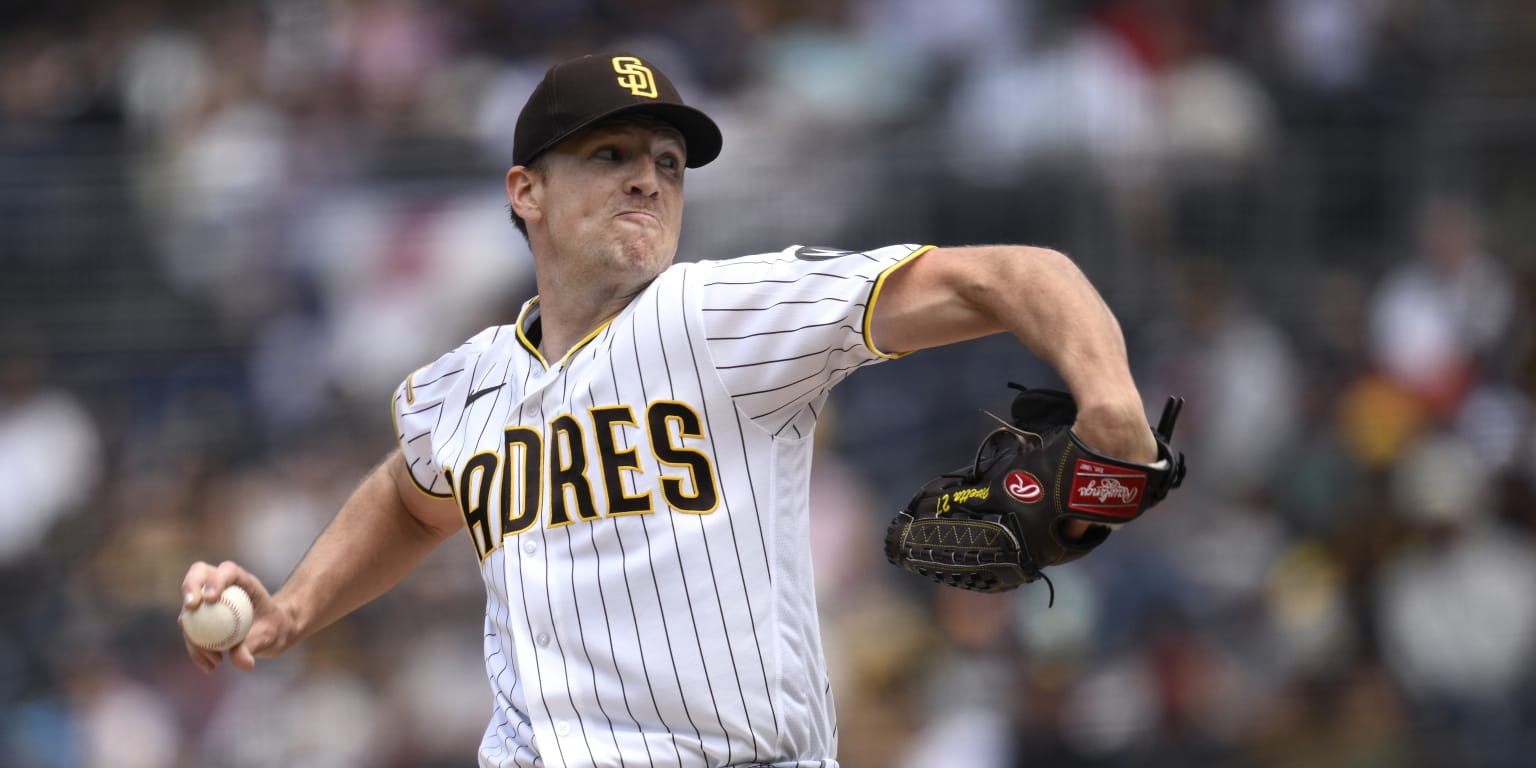
Nick Pivetta abruptly exited a Single-A rehab appearance Tuesday afternoon after just 14 pitches, walking off the mound at Lake Elsinore without explanation. The right-hander has been sidelined since early April with a flexor strain in his right elbow—a four-month absence that San Diego had targeted to end in late August. An early exit during a controlled rehab outing, particularly one this light in pitch volume, signals potential recurrence rather than a normal workload progression, and it's a visibility problem the Padres' front office didn't need.
The context matters here. Pivetta finished sixth in NL Cy Young voting last season with a 2.87 ERA, making him a front-line starter when healthy. His absence has created a rotation void that general manager A.J. Preller addressed aggressively at Monday's trade deadline, acquiring both Robbie Ray and Casey Mize. Those moves weren't acts of surplus confidence—they were necessity. The Padres' pitching depth has been consistently thin, and the team was banking on Pivetta and fellow rehab starter Joe Musgrove to anchor the second half. Musgrove did offer a counterweight to the narrative Tuesday, logging 2 2/3 innings in his own Lake Elsinore appearance following October 2024 Tommy John surgery, a meaningful step forward. But Pivetta's abrupt departure undercut that momentum entirely.
For bettors tracking San Diego's rotation health, this is the moment the calculus shifts. The Padres' late-August and September team totals—which had been priced with mild optimism around a Pivetta return—now sit on unstable ground. If the injury is indeed a flexor recurrence, the team's rotation depth collapses back into dependency on Ray, Mize, and Jackson Merrill-adjacent depth starters. That's a narrower margin for error in a competitive NL West race. Over/unders on Padres games in late August and September should drift downward if medical updates confirm structural damage, as a thinner rotation historically yields 0.3–0.5 fewer runs per game in team totals.
Even before Tuesday's scare, the Padres' moneyline odds for series in September had been floating slightly inflated relative to their underlying talent, partly because the market had been pricing in Pivetta's return as a 80%-probability event by Labor Day. A confirmed injury—or even a delayed return beyond late August—reprices that equity downward almost immediately. For teams chasing the Padres in the NL West, this is an edge window. The market will likely need 24–48 hours to confirm whether this is a genuine structural setback or a precautionary hold; use that window to lock in any San Diego unders before the line adjusts.