Phillies Bullpen Shuffle: Wilson Call-Up Signals Depth Stress in Philadelphia
By Erik Schwartz ·
Philadelphia's rapid roster churn in June hints at injury depth concerns that could compress bullpen workload and shift leverage leverage spots.
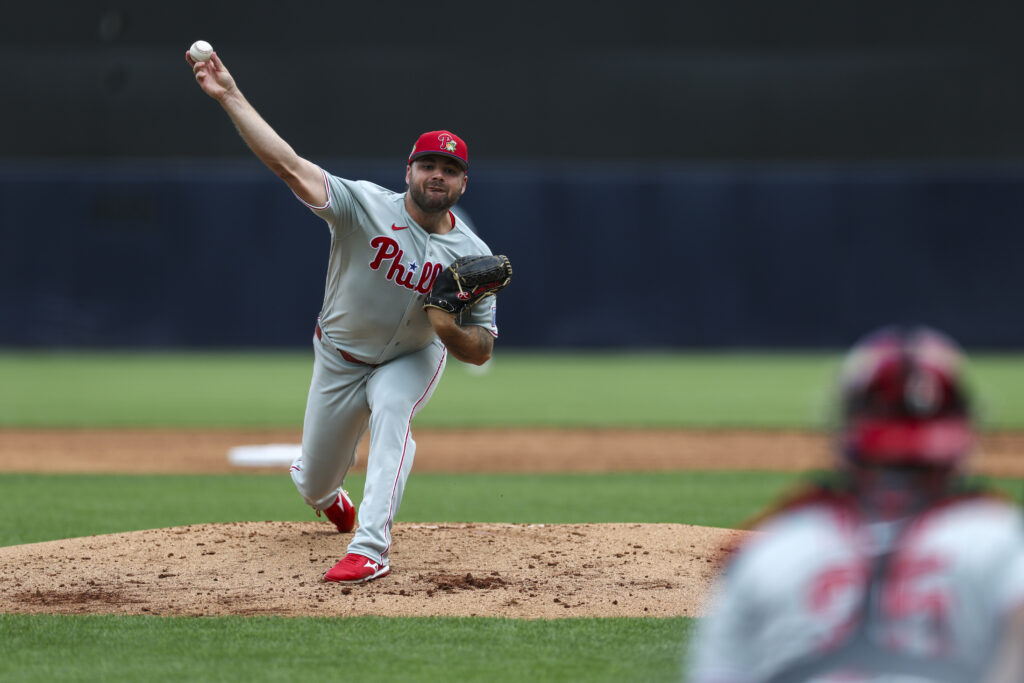
The Phillies selected right-hander Bryse Wilson and recalled Seth Johnson on Thursday, dispatching left-hander Tanner Banks to the minor leagues in a cascading set of moves that suggests the rotation and relief corps are thinning faster than expected. The shuffle was made possible by Andrew Painter's option yesterday and Adolis García's placement on the 60-day injured list a week prior—two holes that have now been plugged with fresh arms rather than internal realignment.
Wilson arrives as a reclamation candidate with a mixed recent track record. The 27-year-old has bounced between teams but carries a sub-4.00 career ERA despite usage patterns that lean heavily on relief work in high-leverage spots. Johnson, the recalled righty, profiles as a depth piece in a staff suddenly stretched by the García absence and Painter's removal from the rotation picture. Banks, the optioned left-hander, doesn't appear to have held a secure enough role to survive the crunch—a signal that the Phillies lean toward Wilson and Johnson's upside over continuity with their recent options.
The confluence of moves points to a bullpen operating under compressed depth, which typically manifests in two ways for bettors: extended usage for established relievers during close games (inflating their appearance frequency and strikeout props) and higher variance in late-inning leverage situations, where new arms get thrown into unfamiliar spots. García's 60-day assignment removes a bench outfielder, tightening the pinch-hitting and defensive-sub rotations as well—a secondary squeeze that forces marginal relievers into higher-leverage moments than their underlying performance would normally warrant.
For prop players tracking Phillies bullpen usage, the Wilson call-up and Johnson recall create a near-term volatility window. If the team leans on its established closer or primary setup man to bridge gaps created by Wilson's adjustment period and Johnson's uncertain reliability, strikeout props for that reliever could spike in the next 5-7 days before new roles stabilize. Conversely, if Wilson or Johnson outperform expectations and carve out secure slots quickly, the leverage-per-appearance for existing relievers could normalize downward. The key mechanism: depth attrition forces concentration of work, which inflates both appearance counts and in-game usage for whoever holds the trusted spots. García's 60-day timeline (placing his return around late August) suggests this is a mid-season structural change, not a quick patch—long enough for prop markets to recalibrate, but not so long that early-June volatility trades are valueless.
The prop angle hinges on exposure timing. If you fade Phillies bullpen strikeout props for relievers right now—before market recognizes that Wilson and Johnson's arrival may not immediately stabilize the leverage distribution—you're betting against the depth signal the Phillies themselves just sent. Instead, early leans should favor elevated usage and strikeout totals for the closer and primary setup men over the next week, before the newcomers absorb their expected share of work and stabilize the workload.