Carlson's Philadelphia Exit Signals Sunk Cost on Reclamation Play
By PropBetEdge Editorial Team ·
The Phillies cut Dylan Carlson loose after a failed two-month rehab stint, closing the book on yet another depth gamble that never materialized.
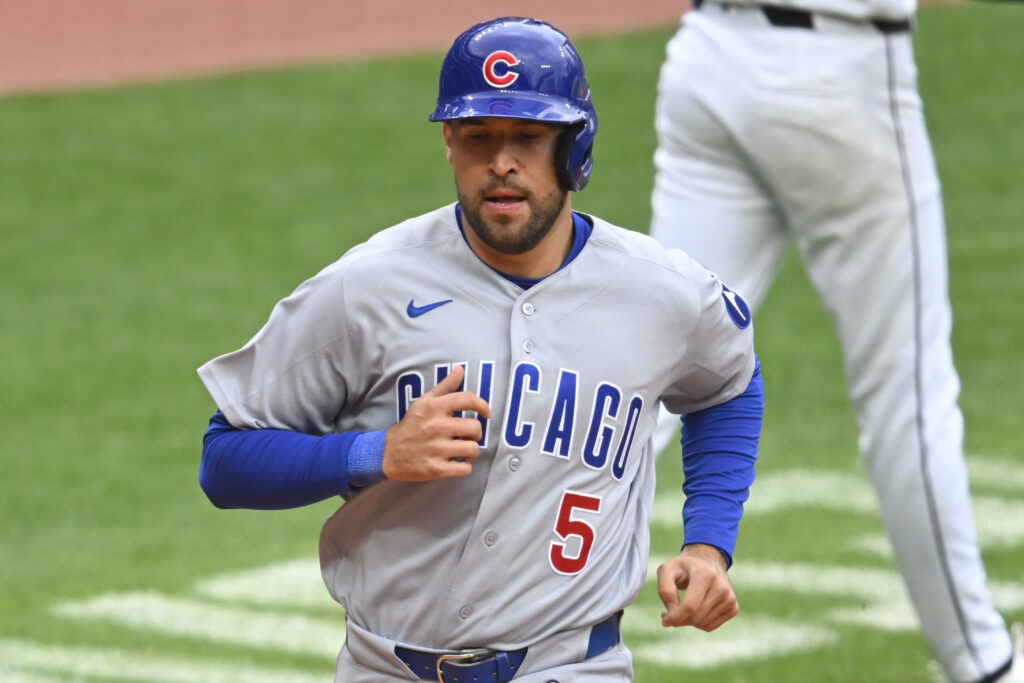
The Phillies released Dylan Carlson on Friday, concluding an experiment that lasted roughly two months. Carlson signed a minor league agreement with Philadelphia in mid-May, but produced a 65 wRC+ across 153 plate appearances at Triple-A—a figure that translates to roughly 35 percent below league average offensive output. That performance gap left no path to meaningful roster contribution, even as depth insurance, and the organization opted to cut losses rather than continue carrying him.
Carlson's trajectory through 2026 mirrors a pattern familiar to rebuilding-phase front offices: identify a formerly productive player in free fall, sign him to a low-risk minor league deal, and hope organizational infrastructure or fresh context sparks a resurgence. The math works when it works—a reclaimed bat suddenly carries trade value or fill-in utility. It fails decisively when the underlying mechanical or confidence issues prove structural rather than situational. At 65 wRC+, Carlson was offering neither upside nor stability. A player posting that offensive floor belongs on someone else's payroll, not eating a roster slot in a contending window.
For Philadelphia specifically, the move reflects discipline in a season where roster flexibility matters. The Phillies remain in playoff contention in the NL East; every spot on the 40-man carries opportunity cost. Retaining a non-prospect outfielder generating negative offensive value—even in the minors—meant blocking potential call-ups or deadline acquisition flexibility. The release frees both the roster slot and the organizational focus to chase higher-probability options down the stretch.
The betting implications are modest but directional. Carlson's presence, or absence, has no material bearing on Phillies team totals or individual player props, since he was never factored into lineup construction at the MLB level. His departure does, however, reinforce a broader organizational message: Philadelphia is aggressively pruning non-contributors to stay sharp for a September push. That ruthlessness typically shows up first in lineup construction—fewer experimental bats, more proven depth—which can marginally stabilize team-total variance in the second half. Watch for Phillies team totals to tighten slightly as the front office completes its roster consolidation; the organization is signaling that accountability for performance is real.