MLB · milestone
Pham's Urgent Return Signals White Sox Desperation in Playoff Push
An elevator pitch to the GM and a three-run homer immediately after—but Tommy Pham's activation reveals how thin Chicago's offensive depth really is.
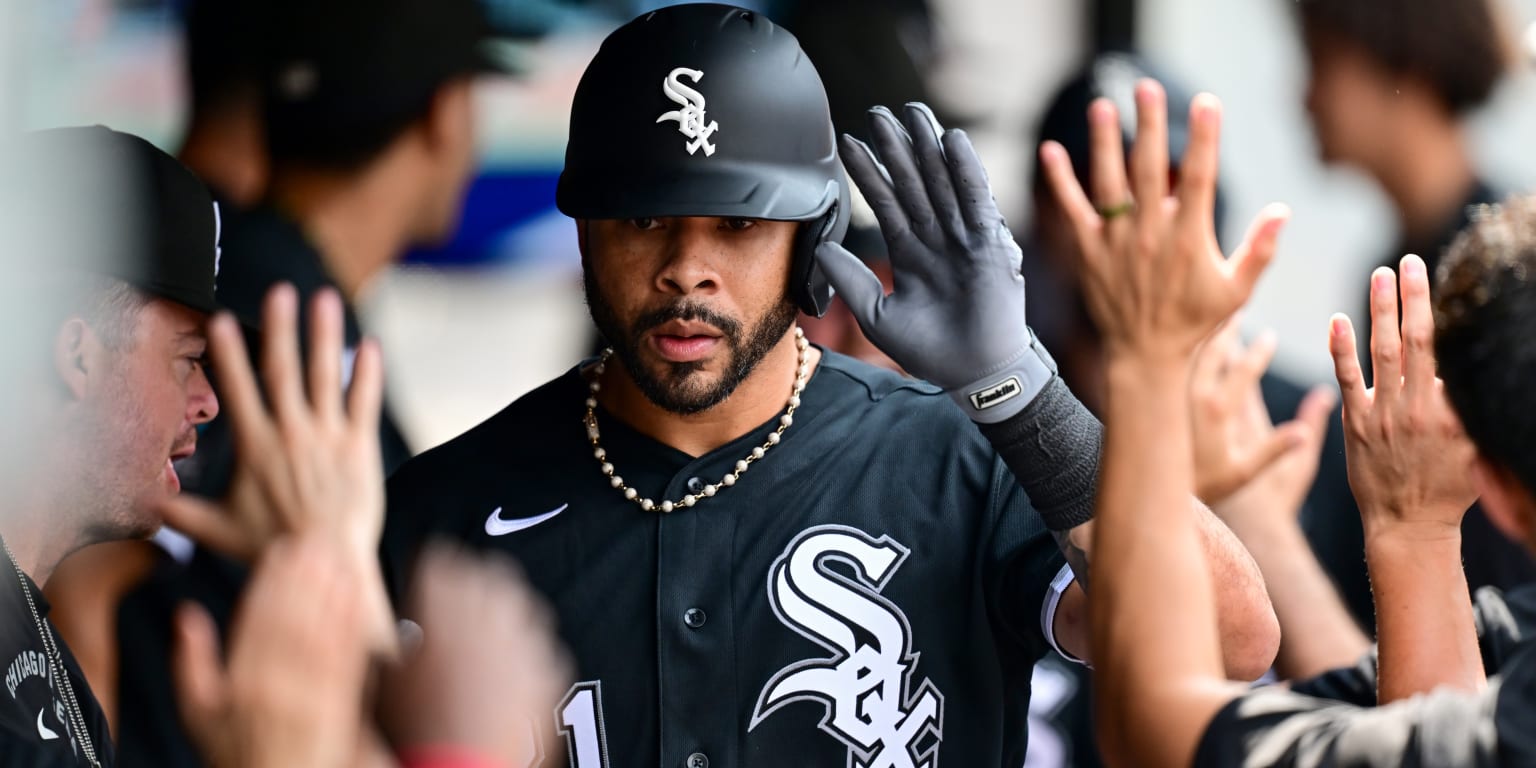
Tommy Pham was activated off the 10-day injured list by the White Sox on Wednesday and delivered the kind of immediate payoff that playoff teams need but rarely find: a go-ahead three-run homer in the fifth inning against Cleveland. The journey from inactive to impact was unconventional. Pham and GM Chris Getz crossed paths in an elevator late Tuesday night, hours after the Sox absorbed a 7-6 walk-off loss to the Guardians. Pham's pitch was simple—he was healthy enough to contribute now, not this weekend as originally scheduled. Getz listened. Manager Will Venable greenlit the acceleration.
The speed of Pham's return matters because it exposes the underlying tension in Chicago's roster construction. Pham arrived from Philadelphia on August 31st via a cash deal—not exactly a blockbuster acquisition—and had played just one game (0-for-1 as a pinch-hitter on September 2nd) before a left calf strain sidelined him on September 6th. Between the Mets, Orioles, and Phillies earlier this season, he'd accumulated 69 minor league games and spent stretches in outright limbo. He is 38 years old. A career .256 hitter. By any objective standard, a depth piece. Yet here he is, fast-tracked off the IL in the middle of a playoff race because the White Sox roster can't absorb a few games without him.
The practical context sharpens this into a betting consideration. Chicago sits in a tight AL Central race with Cleveland, which means every win carries playoff implications. Pham's homer was real production on a real stage. But his availability—and Venable's willingness to activate him before full recovery—signals that the Sox either lack confidence in their bench production or face a depth emergency they've been unable to solve. Catcher Edgar Quero was optioned to make room, further thinning a position-player roster that was already operating near capacity. When a team elevates a part-time veteran in a close race, it's not a sign of organizational depth; it's a bet that marginal offensive juice outweighs injury risk.
For prop bettors, the White Sox team total becomes a contrarian fade. Chicago's offense will likely be valued based on Wednesday's performance—Pham's homer, the win against a strong Guardians team—and the market may price the Sox as a hotter offensive unit than they actually are. But the underlying talent pool hasn't changed. Pham's return was necessary, not transformational. His presence doesn't elevate the roster's baseline; it addresses a specific need on a specific day. Over the next 10-15 games, as Pham either regains full health or re-aggravates the calf, the White Sox will revert to their bench-depth limitations. Team totals in the 4.0–4.5 range should be treated as vulnerable to the downside, especially in road games where bullpen usage tends to extend and starter workload is shorter. The elevator pitch bought Chicago one win. It didn't rebuild the offense.