Peterson's Ground-Ball Edge Meets Chicago's Elite Defense
By PropBetEdge Editorial Team ·
The Cubs acquired a sinker specialist with a 51% ground-ball rate and paired him with baseball's best infield defense, creating a structural advantage that the market hasn't fully priced.
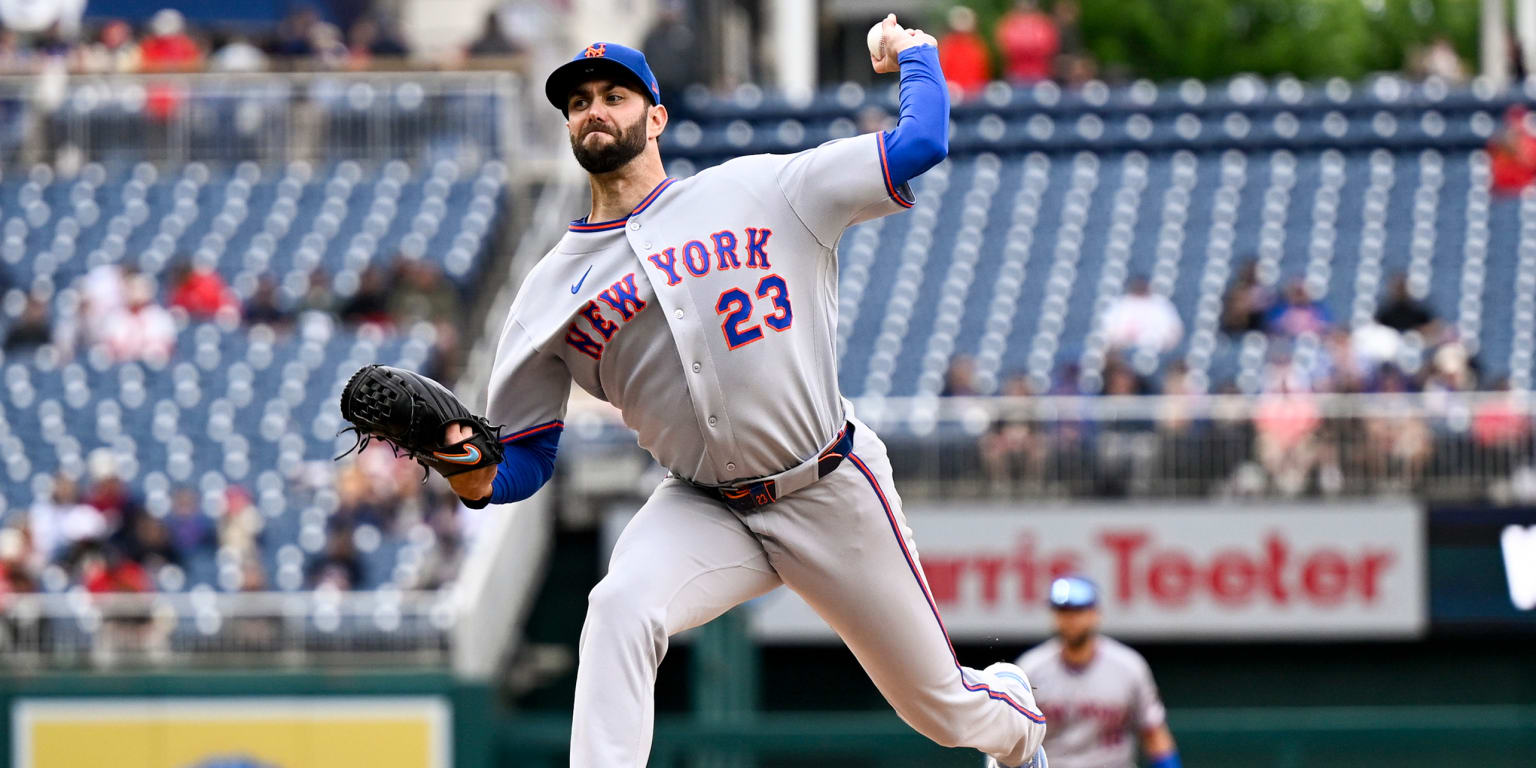
David Peterson makes his Cubs debut Saturday night against Milwaukee, three days after learning he'd been traded from the Mets on Wednesday. Chicago moved Minor Leaguer Cole Mathis to acquire the 30-year-old lefty, slotting him into a rotation decimated by injury—Ben Brown, Jameson Taillon, Edward Cabrera, Justin Steele, and Cade Horton are all sidelined. Peterson takes the roster spot vacated by reliever Phil Maton, who hit the 15-day injured list with right knee tendinitis, the same issue that shelved him from April 8-26 earlier this season.
Peterson's profile reads like a fit-by-design pickup. He carried a 2.90 ERA across 21 starts in 2024 and made the All-Star team with a strong first half last year, but has cratered to a 6.09 ERA through 68 innings with the Mets in 2026. The core of his game hasn't changed: he generates ground balls at a 51% clip for his career, spiking as high as 54.2% last season. That's a sinker-heavy arsenal working against a team that was already struggling defensively in New York. Now he's pitching to the inverse.
The Cubs entered Friday leading MLB in outs above average (38) and runs prevented (31)—elite-tier infield defense. Peterson's ground-ball rate means his outcome is heavily dependent on how many hard-hit balls his fielders can convert. A mediocre defense turns those 54% ground balls into hits and extra-base hits; an elite one neutralizes them into double-play balls and routine outs. This isn't a philosophical edge—it's a mechanical one. Peterson's whiff rate and strikeout rate are league-average; his walk rate is controlled but not special. The delta between his Mets ERA and his Cubs ERA will be built almost entirely on balls in play and defensive conversion.
The market hasn't fully recalibrated Peterson's expectation yet. Early-week lines on his debut will likely anchor to his 6.09 season ERA or some regression-adjusted number around 5.2-5.5, not to the structural ground-ball-to-elite-defense translation. That gap widens his under on strikeouts—a category where he was already underperforming relative to his stuff. More important: his ERA in this start is likely to be better than any Chicago starter's ERA on aggregate, making him a potential fade candidate if the Cubs are getting inflated run-line odds off the back of general rotation injury concern. Watch Saturday's number; if the line prices Peterson as a continuation of his Mets decline rather than as a fresh pitcher in front of a fresh defense, the Cubs' moneyline and run differential markets are where the value will live.
The Maton setback is a secondary story but worth tracking. His recurring knee tendinitis and bloated 6.08 ERA through 30 appearances suggests the Cubs' bullpen depth is stretched thin—another reason why Peterson's arrival matters for workload distribution, not just rotation spot-filling.