Yamamoto's Near-Perfect Outing Exposes White Sox Offensive Void
By Erik Schwartz ·
Yoshinobu Yamamoto's 45-batter retirement streak—the second-longest in MLB history—underscores how thoroughly the White Sox lineup has collapsed this season.
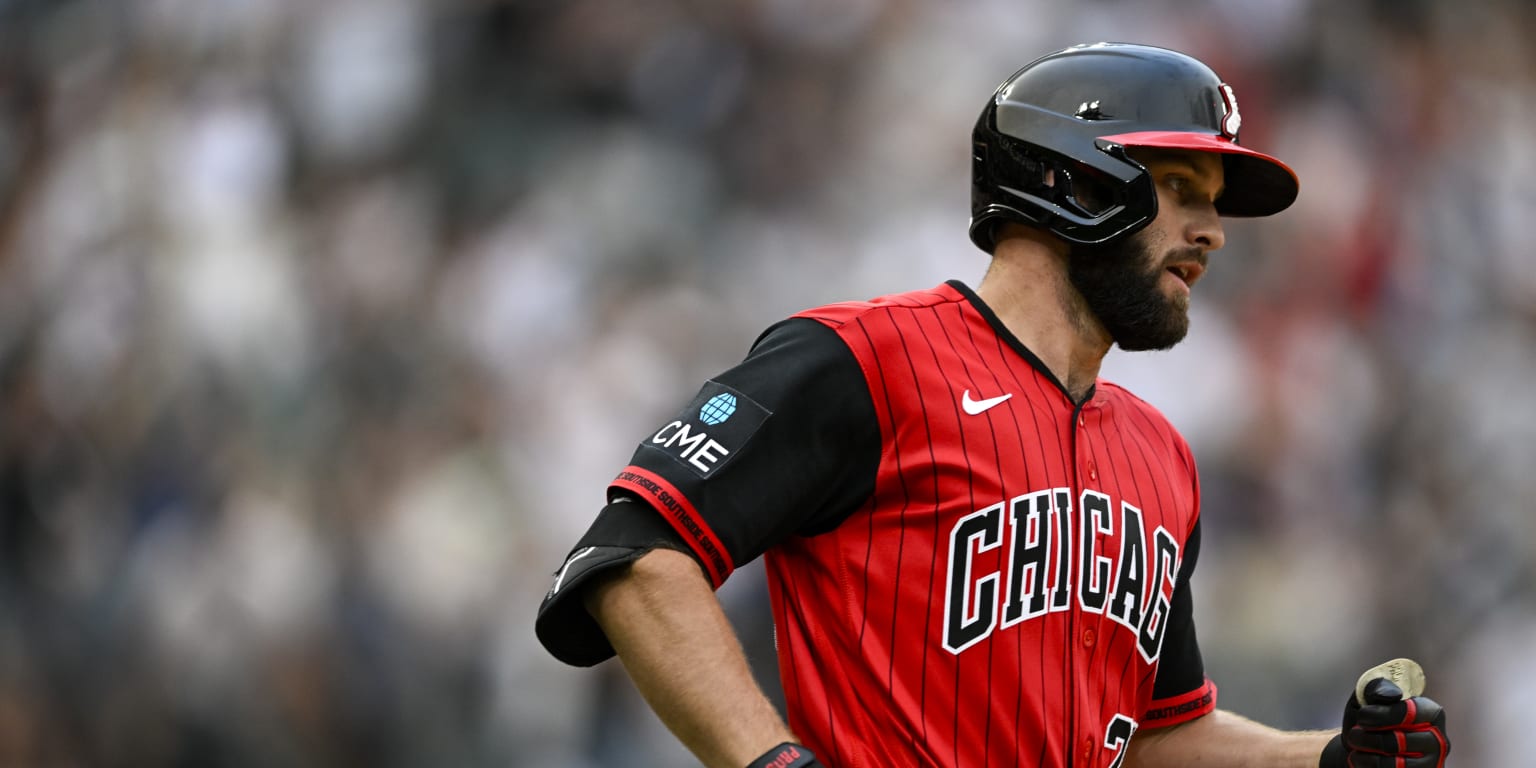
Yoshinobu Yamamoto took a perfect game into the eighth inning Saturday against Chicago, retiring 45 consecutive batters before a Mookie Betts error ended the bid. Tristan Peters broke up the no-hitter with a solo homer in the ninth, but the context tells the real story: the White Sox managed exactly one hit in a 7-1 loss, extending a season-long offensive drought that has become their defining weakness.
Yamamoto's near-flawless outing—seven strikeouts, masterful pitch placement, lived on the edges—isn't remarkable in isolation. What it exposes is more damning. The White Sox put together what manager Will Venable called "good at-bats," with Jacob Gonzalez grinding through a 10-pitch at-bat in the third and Andrew Benintendi working to three balls in the seventh. Those competitive moments yielded nothing. Peters himself hit a hard-hit grounder in the sixth that Freddie Freeman fielded cleanly. The team made contact. The pitches they did see were so difficult to barrel that even quality swings produced no value.
This is the White Sox's season in miniature. At 37-32 after this loss, they sit three games above .500, yet their run differential tells a harsher truth: they're being outscored by opponents at a rate that historically predicts a sub-.500 finish down the stretch. The Dodgers' three-run first inning—fueled by Shohei Ohtani's leadoff homer and Max Muncy's back-to-back shots—created a deficit Chicago simply lacked the offensive arsenal to overcome. One hit against one of baseball's elite arms isn't a moral victory; it's confirmation that the lineup has nowhere near enough to compete with contenders.
For bettors, this game reinforces a structural edge: when the White Sox are underdogs against teams with above-average pitching, the unders carry real meat. Chicago's inability to pressure pitchers—evidenced by seven strikeouts and only one hard-hit ball that left the infield—means that even nights when the opponent's starter has his best stuff, the White Sox won't generate the kind of baseline offensive output needed to push totals over. The Dodgers' 7-1 victory featured dominant pitching, but the pitching only looks so dominant because it was facing one of the league's least productive lineups. In matchups against quality starting pitchers for the remainder of June, lean toward game unders when Chicago is the visiting team, particularly when facing teams with Cy Young-caliber arms.
Peters' ninth-inning solo shot—388 feet down the line—will be remembered as the moment the no-hitter died, not as a turning point. The White Sox dugout felt relief, not confidence. That's the emotional marker of an offense in genuine distress.