Crow-Armstrong's Swing Overhaul Is Real—And His Offensive Props Just Got Sharper
By PropBetEdge Editorial Team ·
Pete Crow-Armstrong has retooled his approach at the plate with measurable mechanical changes; the Cubs center fielder's improved pitch recognition is priced into a market still skeptical of his sustainability.
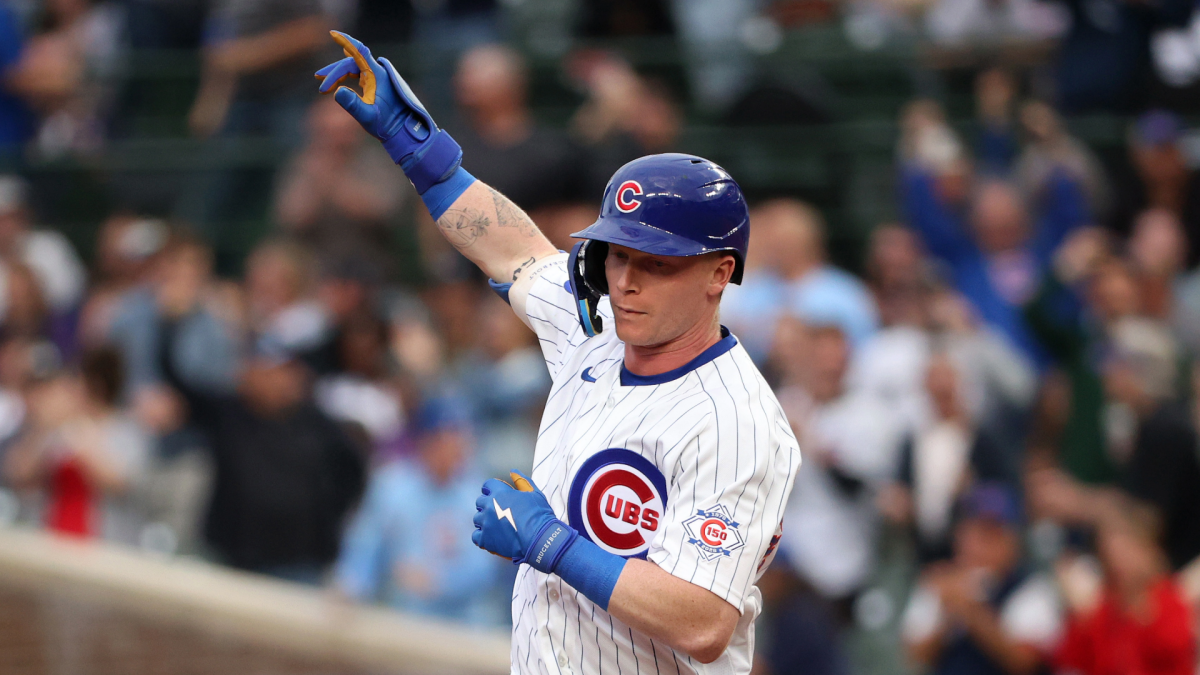
Pete Crow-Armstrong has spent the last two months methodically dismantling the offensive flaws that sabotaged his 2025 finish. The Cubs center fielder made deliberate adjustments to his swing mechanics—lower hands, shortened stroke, reduced stride—and the strike-zone discipline numbers confirm the work is sticking. His walk rate has climbed to 7.5% from 4.5% a year ago, while his swing rate on pitches outside the zone dropped from 41.4% to 37.7%. These aren't marginal gains. They're the mechanical footprints of genuine refinement.
His defensive and baserunning profiles have long been elite; he leads MLB in outfield putouts with 207 in 74 games, sits at the 100th percentile in range and arm strength, and has gone 16 for 21 on steal attempts this season. What separated Crow-Armstrong from consistent star status was the offensive volatility—he looked like an MVP candidate through July of 2025, then cratered down the stretch. Early 2026 was a continuation of that struggle until the swing reset took hold over the past six weeks. The timing matters because it suggests the improvement isn't noise; it's a response to a diagnosed problem with evidence of correction.
The market has begun pricing in his turnaround—his hit totals and RBI lines have already moved upward from early-season lows—but the pricing may not yet account for the durability of his mechanical changes. Players who make swing adjustments this late into their development arc often backslide. Crow-Armstrong is 24 and deliberately shortening his swing to improve zone awareness rather than chasing power gains, a decision that historically shows better carryover into the following season than power-chasing overhauls. The reduced chase rate combined with his elite bat speed and baserunning means he's building a floor, not just chasing a ceiling.
For prop bettors, this distinction matters. Runs and hits props for Crow-Armstrong will track his plate appearances and batting order position; as long as the Cubs keep him in the two or three hole, the volume is locked in. Where the edge exists is in walk props and strikeout props, which remain calibrated to his old 4.5% walk baseline. If sportsbooks haven't fully recalibrated his K-rate downward to reflect the shorter, more controlled swing, unders on strikeout totals carry value through July. Conversely, walks over—especially game-level props at 0.5 or higher—offer a persistent angle as long as his new discipline holds and books haven't yet adjusted the baseline upward. The mechanical changes are recent enough that sharp action on his walk rate should signal real edge; once the market catches up, the angle compresses.