Crow-Armstrong's Ninth-Inning Heroics Expose Cubs' Offensive Fragility—And a Clutch-Hitter Narrative Worth Monitoring
By PropBetEdge Editorial Team ·
Pete Crow-Armstrong's two-homer performance, including a game-tying blast with two outs in the ninth, masks a deeper Cubs lineup problem that will constrain their upside in tight games.
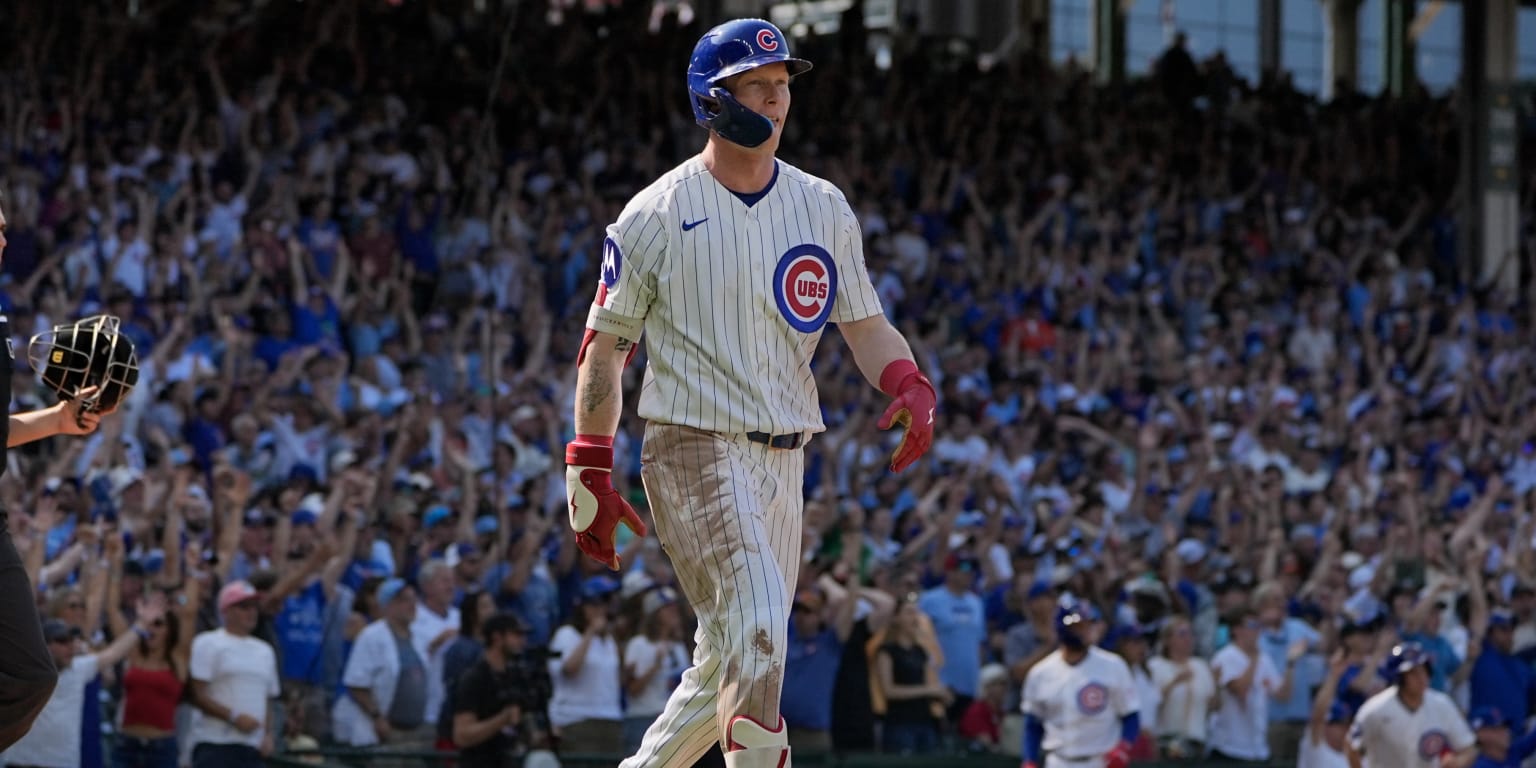
Pete Crow-Armstrong single-handedly kept the Cubs alive Saturday, delivering a game-tying solo homer with two outs in the ninth inning before Michael Busch's walk-off single in the 10th completed a 3-2 comeback against San Francisco. Crow-Armstrong finished 4-for-5 with two home runs, two RBIs, and two runs scored—accounting for nearly all of Chicago's offensive production in a game where the Giants' pitching staff held everything else in check.
But the narrative hiding in plain sight is Chicago's inability to convert baserunners into runs. The Cubs loaded the bases in both the sixth and seventh innings and left nine runners on base through seven frames. Nico Hoerner flew out to strand one threat; Alex Bregman struck out swinging with three runners in scoring position. That's not luck or variance—that's a lineup that can't execute in high-leverage spots when the pitcher is working ahead in the count. The Giants' starter Landen Roupp and reliever Caleb Thielbar weren't overpowering; they were making pitches, and Chicago's hitters—minus Crow-Armstrong—weren't ready.
For prop bettors, Saturday's game serves as a cautionary tale about over-weighting single-game heroics. Crow-Armstrong's 4-for-5 line and two-homer night are statistical outliers. His season averages matter far more than one Saturday at Wrigley, especially in a game where circumstances (a hanging sinker, a misplay by Bericoto) created the narrative. The real signal is the Cubs' run-scoring efficiency in multi-inning sequences. They stranded nine runners and scored just two runs through regulation—that's a 0.22 runs-per-baserunner clip, well below the major-league median. Against tougher pitching (teams with better bullpen execution and cleaner defense), that inefficiency compounds.
Market implications: Cubs team totals should trade lighter than their talent roster suggests. Saturday's walk-off will temporarily inflate Chicago's moneyline and run-line odds for the next Giants matchup, but the underlying skill gap hasn't widened. Bettors chasing Crow-Armstrong's prop ceiling (HR, RBI lines) based on one 4-for-5 night will find themselves paying up for regression. His season ISO and strikeout rate remain stable; Saturday was clutch execution in a vacuum, not a lasting shift in his baseline production. Watch for books to shade Cubs team totals 0.5–1.0 runs higher than their three-game rolling average suggests—that's the overcorrection window.