Vásquez Returns to Padres Rotation, But Peripherals Warn of Further Decline
By Ty Whitney ·
San Diego reinstates its ankle-sidelined starter into a bullpen role that may mask his deteriorating stuff.
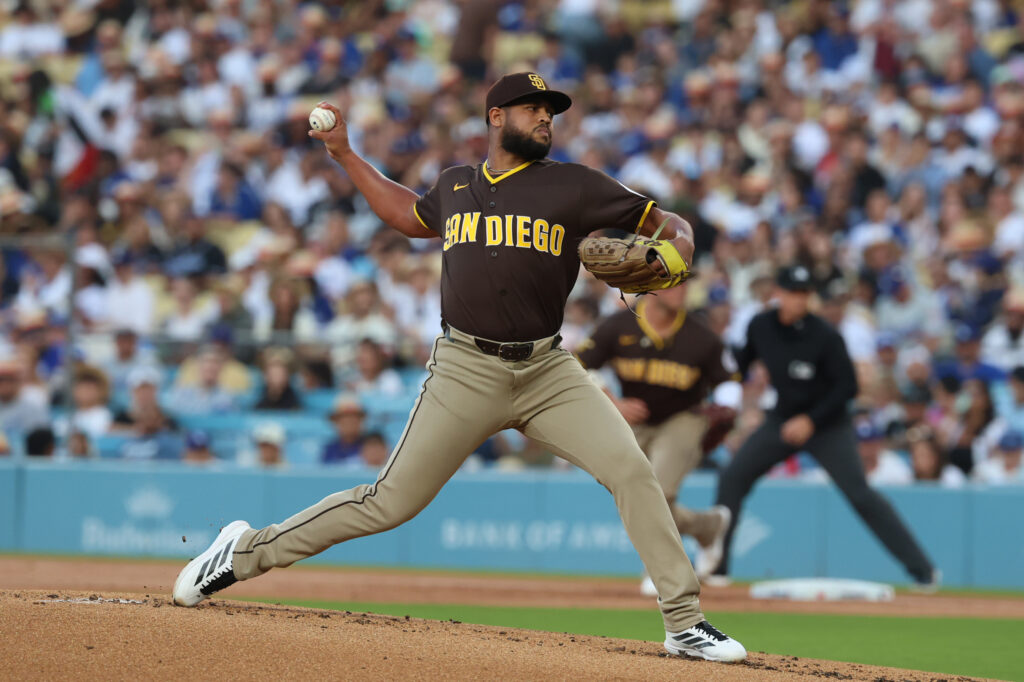
The Padres activated right-hander Randy Vásquez from the 15-day injured list on Sunday, clearing a right ankle contusion that sidelined him for approximately two weeks. The move opens a spot in the rotation and signals the team's confidence in his availability, but the underlying metrics suggest caution is warranted for anyone considering him a stabilizing force down the stretch.
Vásquez was a respectable backend starter last season, posting a 3.70 ERA across 129 innings in 2025. This year tells a different story. Through 84 innings in 2026, he's posted a 4.71 ERA while his 7.12 xERA—a metric that strips out sequencing luck and bases on balls—indicates he's actually gotten better than the results would suggest. That gap rarely closes in a pitcher's favor as the season progresses. His walk rate sits at 7.3%, which is league-average or slightly above, but his fastball is bleeding through the zone at an alarming rate: 14 home runs allowed already this year amounts to a 1.50 HR/9 rate, up sharply from 1.08 HR/9 last season. Over a full-season pace, that trajectory represents a 50% increase in long-ball exposure.
The Padres' decision to reinstate Vásquez rather than keep him shelved suggests they'll deploy him in lower-leverage situations—spot starts or long relief rather than a every-fifth-day slot. That usage dampens the damage his elevated fly-ball rate can inflict, but it also confirms the organization's own assessment: he's a depth arm, not a rotation cornerstone. Wandy Peralta's simultaneous reinstatement from the bereavement list and Jhony Brito's option to Triple-A indicate the club is shuffling the back end of its pitching staff to accommodate bodies without making a major addition.
For bettors, Vásquez's return carries implications for San Diego's team totals and pitcher prop exposure. If he draws a start, the market will likely price him as a league-average arm based on his 4.71 ERA surface, ignoring the 7.12 xERA signal that home-run risk remains elevated. Opponents facing Vásquez should see modest upside on run-scoring props, particularly if they feature left-handed batters who may have better luck on elevated fastballs. The xERA disadvantage is not a single-game variance play—it reflects a structural decline in stuff or command—and persists across matchups. Any line treating Vásquez as better than his underlying performance suggests represents the market's failure to adjust for power-hitting risk.
The ankle injury itself appears to be a non-issue; a two-week absence for a contusion is a standard hold-and-return timeline with no complications flagged. Vásquez's real problem isn't medical. It's that his fastball is getting hit harder and more often, and that pattern deepened even before the injury. The reinstatement is procedural housekeeping. The decline is the story.