Jason Adam's Second IL Trip Reshuffles Padres Bullpen Leverage
By Ty Whitney ·
San Diego loses a premier setup arm to a shoulder strain, forcing a rotation reshuffle that thins the late-inning talent pool.
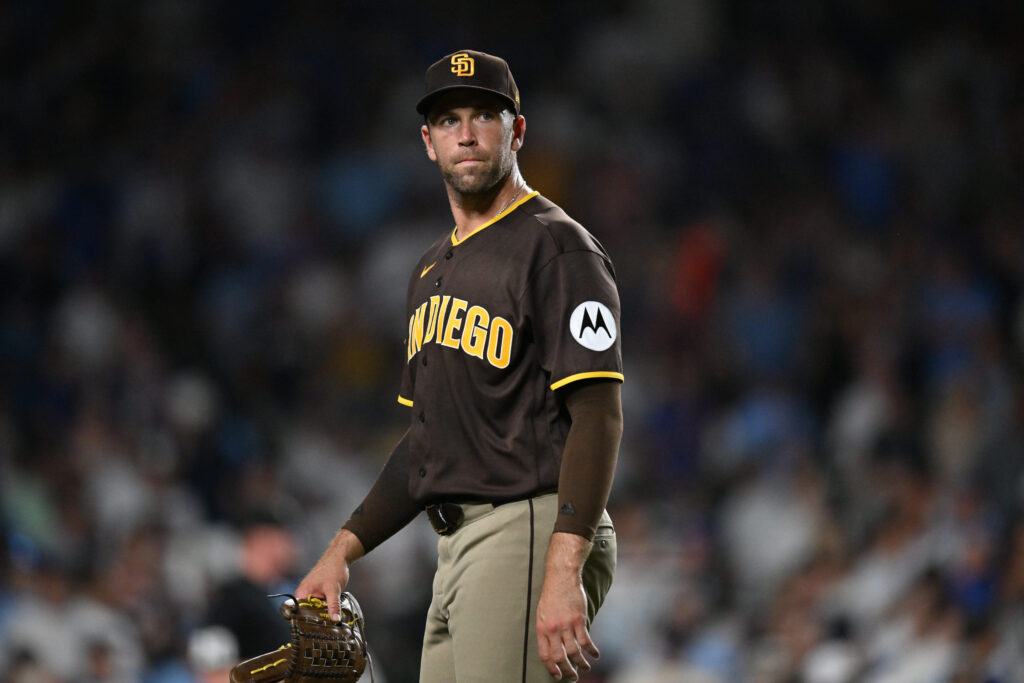
The Padres placed Jason Adam on the 15-day injured list retroactive to June 30, sidelining one of their most reliable relief arms with a shoulder strain. This marks Adam's second trip to the IL in 2026—a troubling pattern for a roster already stretched thin in high-leverage innings. German Márquez, recently activated from his own shoulder stint, slots into the rotation to cover depth, but the net effect is a meaningful loss of trusted bullpen capacity.
Adam was performing at an All-Star caliber before the injury: his velocity remained in the 97-99 mph range, and he'd been carrying a sub-3.00 ERA through late June. For a team fighting in the NL West, losing a setup man of his tier in early July—just before the trade deadline and All-Star break—forces uncomfortable conversations about bullpen construction. Managers now face tighter pitch counts and fewer easy outs in the seventh and eighth innings, a calculus that shows up immediately in bullpen usage and fatigue.
The timing compounds the problem. Adam's absence forces the Padres to either elevate a less-proven reliever into high-leverage spots or lean harder on their closer and mid-tier arms, compressing the rest interval between appearances. This degrades performance league-wide—relievers asked to pitch on shorter rest see velocity dips and command leakage, which is precisely measurable in real time.
For prop bettors, the angle crystallizes in two zones: first, expect overs on Padres team totals to face modest headwinds over the next 2-3 weeks, as bullpen fatigue and tighter late-inning margins increase the probability of one-run losses. Second, monitor the strikeout props of relievers elevated into setup duties—teams historically overestimate their stuff when asked to handle higher leverage, leading to elevated whiff rates that create inefficiency in K-prop pricing. The Padres' bullpen is now operating with less margin for error, and the market will lag behind in adjusting for that compressed reliability.