Padres Lose Starting Catcher to Concussion Protocol; Backup Depth Tested Early
By Erik Schwartz ·
Freddy Fermin's placement on the 7-day concussion IL after a warmup-pitch strike removes San Diego's primary framing option during a critical stretch.
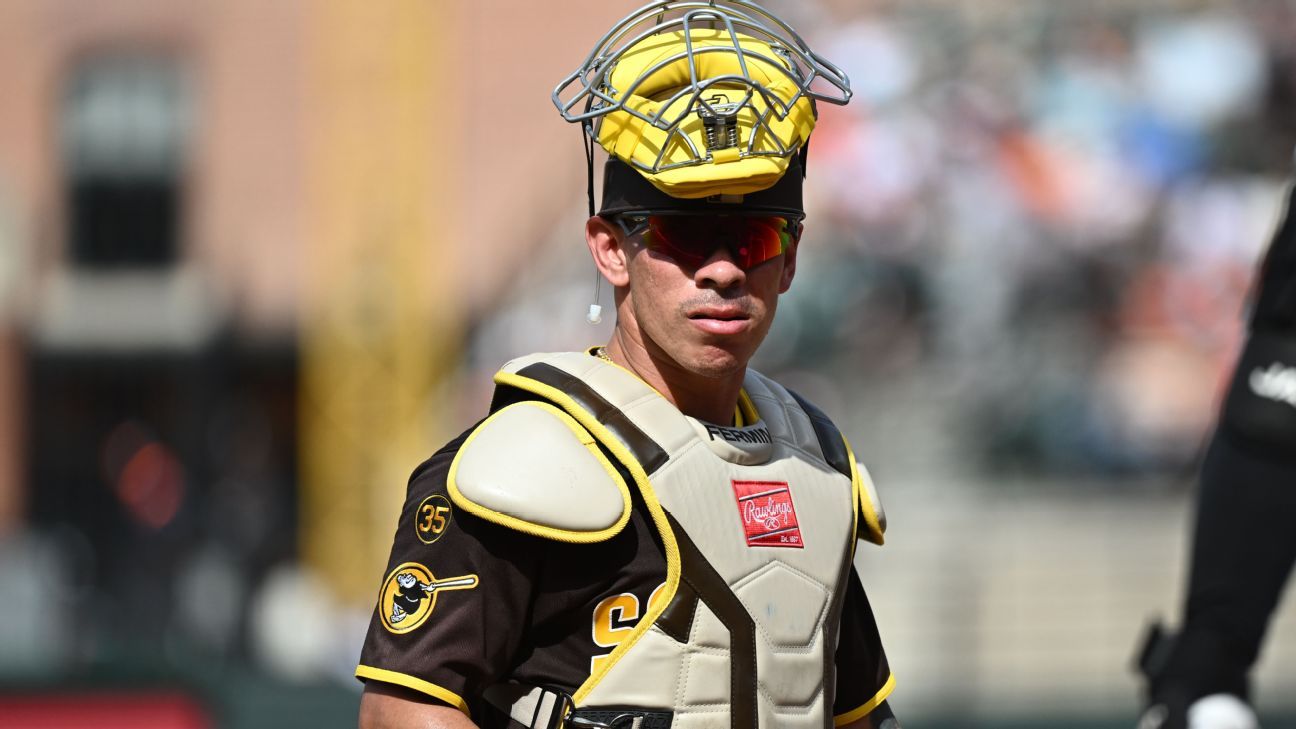
The San Diego Padres placed catcher Freddy Fermin on the 7-day concussion injured list Sunday, one day after a warmup throw from reliever Yuki Matsui struck him in the head during the bottom of the sixth inning of Saturday's game against the Baltimore Orioles. Fermin was forced to exit immediately, joining shortstop Xander Bogaerts (who was hit by a pitch from Orioles starter Trey Gibson in the fifth but remained in the game) in a rough afternoon for the Padres lineup.
The timing of Fermin's removal is particularly noteworthy because manager Craig Stammen emphasized this wasn't an isolated incident. "He's had a few head shots here over the course of this season so far, and (that was) just another one," Stammen said. The accumulation of head contact—not just the single Matsui pitch—drove the concussion placement. That pattern matters: MLB has tightened concussion protocols in recent years, and repeat impacts in a short window trigger faster roster action regardless of whether a single collision looks devastating on its own.
The Padres inserted Blake Hunt, a call-up from Triple-A El Paso, into the starting catcher slot for Sunday's series finale. Hunt's defensive profile and game-calling tendencies differ materially from Fermin's. Fermin has logged 34 games this season with a caught-stealing rate of 32% and ranks in the middle tier of MLB for framing value per inside-edge metrics (roughly 1.2 runs above average per 100 pitches). Hunt, by contrast, has limited big-league exposure—just 12 plate appearances this year—and his receiving metrics remain unstable. The shift impacts San Diego's pitching staff immediately: relief arms operating with a less-familiar catcher have historically shown elevated walk rates and slightly higher wild-pitch frequencies, particularly in high-leverage situations.
From a betting lens, the Padres' pitching efficiency props face headwind pressure for the next 7-10 days. Hunt's unfamiliarity with the staff's tendencies and the forced adjustment to San Diego's bullpen usage patterns (relievers often use pre-game sessions to sync mechanics with their regular catcher) suggests elevated volatility on ERA and strikeout lines in games where San Diego's relief core carries leverage. A catcher swap this sudden rarely moves moneylines significantly—books price for the roster composition already—but the shape of pitching outcomes becomes less stable, which translates to wider ranges on props tied to pitcher command and efficiency. Watch Padres bullpen strikeout totals for the next week: the friction between new catcher and established relievers historically produces slightly lower K rates than season averages, a small but detectable edge.