MLB · injury
Padres Gamble on Stratton Depth While Adam's Timeline Extends
San Diego trades minor-league depth for a reliever Pittsburgh couldn't keep, signaling bullpen volatility heading into the stretch.
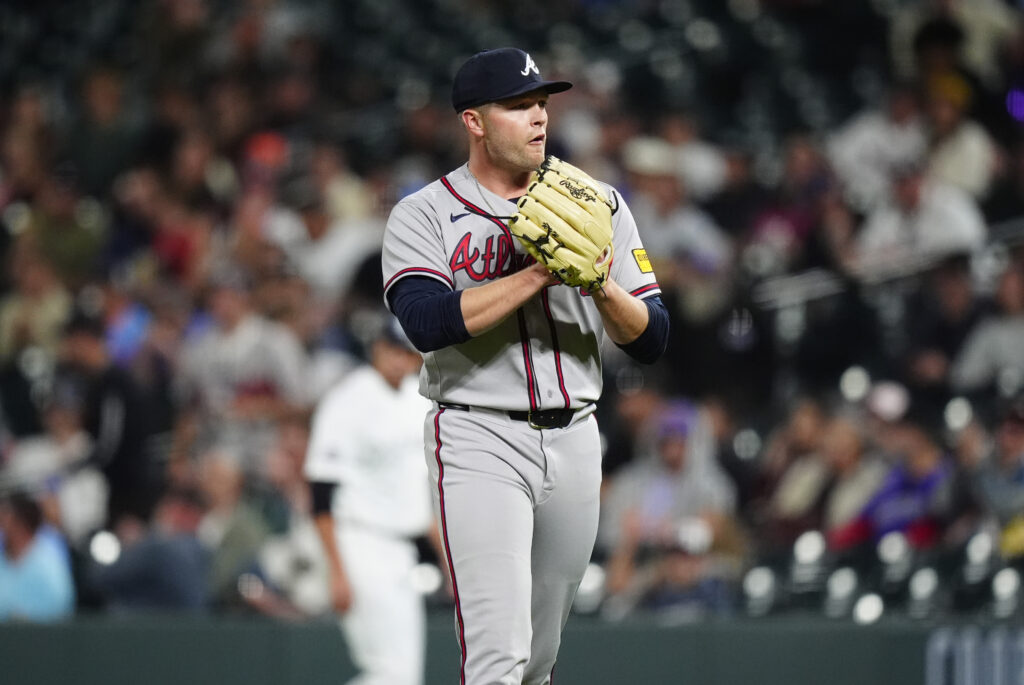
The Padres acquired right-hander Hunter Stratton from Pittsburgh on Monday in exchange for minor-league right-hander Andrew Moore, a swap that costs San Diego virtually nothing in prospect capital but reveals genuine relief concerns as the season enters its final two months. The transaction forced the Padres' hand on Jason Adam, whose move to the 60-day injured list suggests a longer recovery window than initially projected—a meaningful development for a team operating with finite depth in high-leverage roles.
Stratton, recently designated for assignment by the Pirates, arrives as organizational filler rather than a solution. Both he and Moore were assigned to Triple-A, confirming neither player is ready for immediate big-league deployment. That distinction matters: the Padres aren't betting on Stratton's arm carrying them down the stretch. They're betting on the possibility that he outperforms another organizational replacement-level arm when injuries inevitably strike. The Pirates' willingness to shed Stratton at no cost underscores why—his 4.76 ERA and limited strikeout production have yielded no real market for his services. San Diego gets an optionality play at zero cost.
Adam's migration to the 60-day IL is the real signal. The original 15-day designation suggested a shorter-term absence, the kind that resolves by Labor Day. Sixty days from the date of the move (August 3) pushes his return eligibility into early October, effectively eliminating him from any meaningful regular-season contribution. For a bullpen that's already stretched, losing a functional relief arm for the final month represents a material margin-of-error problem. San Diego's pitching depth chart just tilted toward volatility.
The bullpen workload implications compound the risk. With Adam sidelined and Stratton still at Triple-A, the Padres' remaining high-leverage relievers absorb more innings than planned over the next 60 days. Fatigue correlates directly with command degradation and home-run rates. Teams with thinner bullpens tend to see slight upticks in earned runs allowed in September, when those same relievers have accumulated 20+ extra innings of mileage. If San Diego's closer or setup men enter late-inning spots more frequently—or pitch on shorter rest—strikeout rates compress and walk rates expand. The math on overs for Padres bullpen ERA plays improves as the roster question remains unresolved.
For bettors, the angle is directional volatility rather than a specific play. Monitor whether San Diego fills the bullpen gap with a trade or internal reshuffling before the deadline. If the roster remains as constructed, Padres games trending toward higher total runs allowed in bullpen-heavy situations (third time through the order, high-leverage seventh- and eighth-inning frames) become slightly more attractive. The team is weaker operationally than standings reflect, and that weakness will leak into totals math over the next eight weeks.
MLB Intelligence — Baseball intelligence beyond the box score. Open MLB Intelligence →