Dingler's Clutch Two-Out Hit Exposes Tigers' Late-Inning Vulnerability Pattern
By Ty Whitney ·
Detroit's eighth-inning rally past Kansas City signals a shift in execution during leverage situations, but the underlying offensive structure remains fragile enough to fade consecutive nights of two-out heroics.
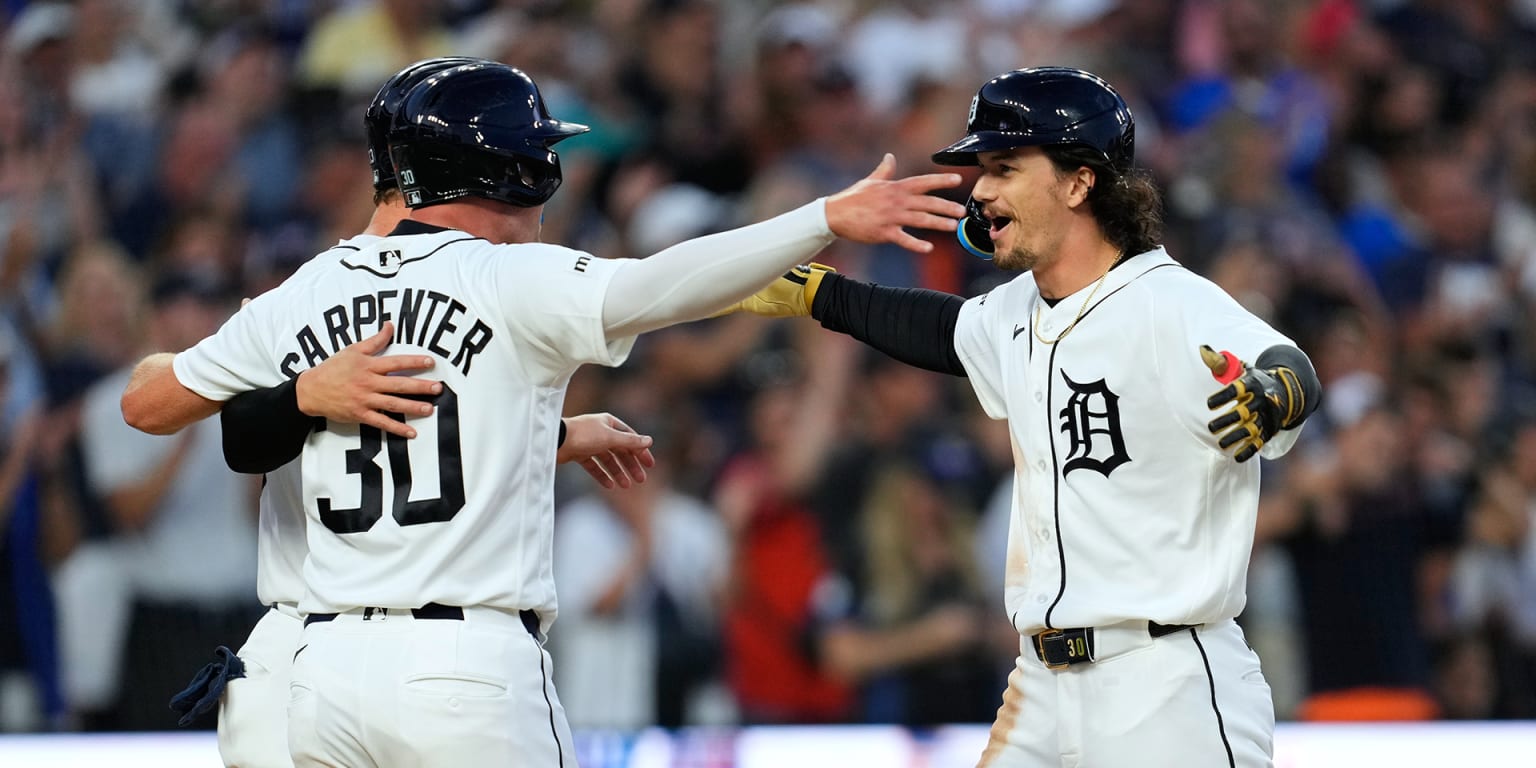
Dillon Dingler's go-ahead double in the eighth inning gave Detroit a 4-3 win over Kansas City on Thursday, capping a late-game sequence that looked improbable through six innings. The Tigers were held scoreless by Randy Dobnak and Matt Strahm until James Outman's seventh-inning solo home run tied the game at 1-1. Dingler then fouled off consecutive cutters from Steven Cruz before converting the third pitch into an opposite-field two-out double that scored Hao-Yu Lee—Detroit's fifth win in seven games coming out of the All-Star break and a significant marker in their playoff push.
What matters more than the victory itself is how it happened. Tigers hitters were essentially shut down for six innings by competent Kansas City pitching, then compressed all their offensive production into two innings when the Royals' bullpen began to deteriorate. This is not an efficient offensive blueprint. Detroit is 10-16 against AL Central opponents this season—a record that reflects their inconsistency when facing division rivals. The win came specifically against Kansas City, where the Tigers have won half their divisional victories, so the sample size against this particular opponent is positively skewed. More telling: Detroit's margin for error remains razor-thin. They're sitting four games behind the final AL Wild Card and six behind the AL Central lead. A single-elimination structure demands reliability, not episodic heroics.
Dingler's clutch moment also masks a broader concern in Detroit's offensive sequencing. The Tigers required two-out, two-strike execution in the eighth to unlock a go-ahead run rather than building leads through consistent early-inning pressure. Outman's home run was their only extra-base hit until Dingler's double—a profile that suggests they're dependent on individual heroics rather than generating volume. Over a full series or a week-long stretch, this inconsistency shows up in team totals. Games where Detroit generates early offense and sustains it over nine innings will skew their overs; games where they compete in zeros-and-ones patterns will hit unders. The market has priced the Tigers as a sub-.500 team in division play for a reason.
For prop bettors, the angle isn't to chase Dingler's two-out RBI total or to assume the Tigers' offense will sustain this late-game intensity. The edge, instead, sits in fading Tigers team totals for the remainder of this Kansas City series. Detroit's win came on a specific convergence: a setup pitcher allowing no runs through six, a Royals bullpen deterioration, and two consecutive two-out hits. Repeat that scenario over three consecutive nights against the same opponent? The probability drops sharply. Kansas City will adjust; their bullpen will tighten. The Tigers' underlying offense—which produced a single run through six innings tonight—hasn't fundamentally changed. Team totals of 4 or higher should be approached with skepticism, particularly in games where Detroit doesn't command early offensive rhythm.