Outman's Pinch-Hit Redemption Exposes Tigers' Platoon Volatility
By Erik Schwartz ·
A defensive replacement delivering clutch contact against his splits signals Detroit's win-now desperation—and the fragility of bench-bat leverage in tight division races.
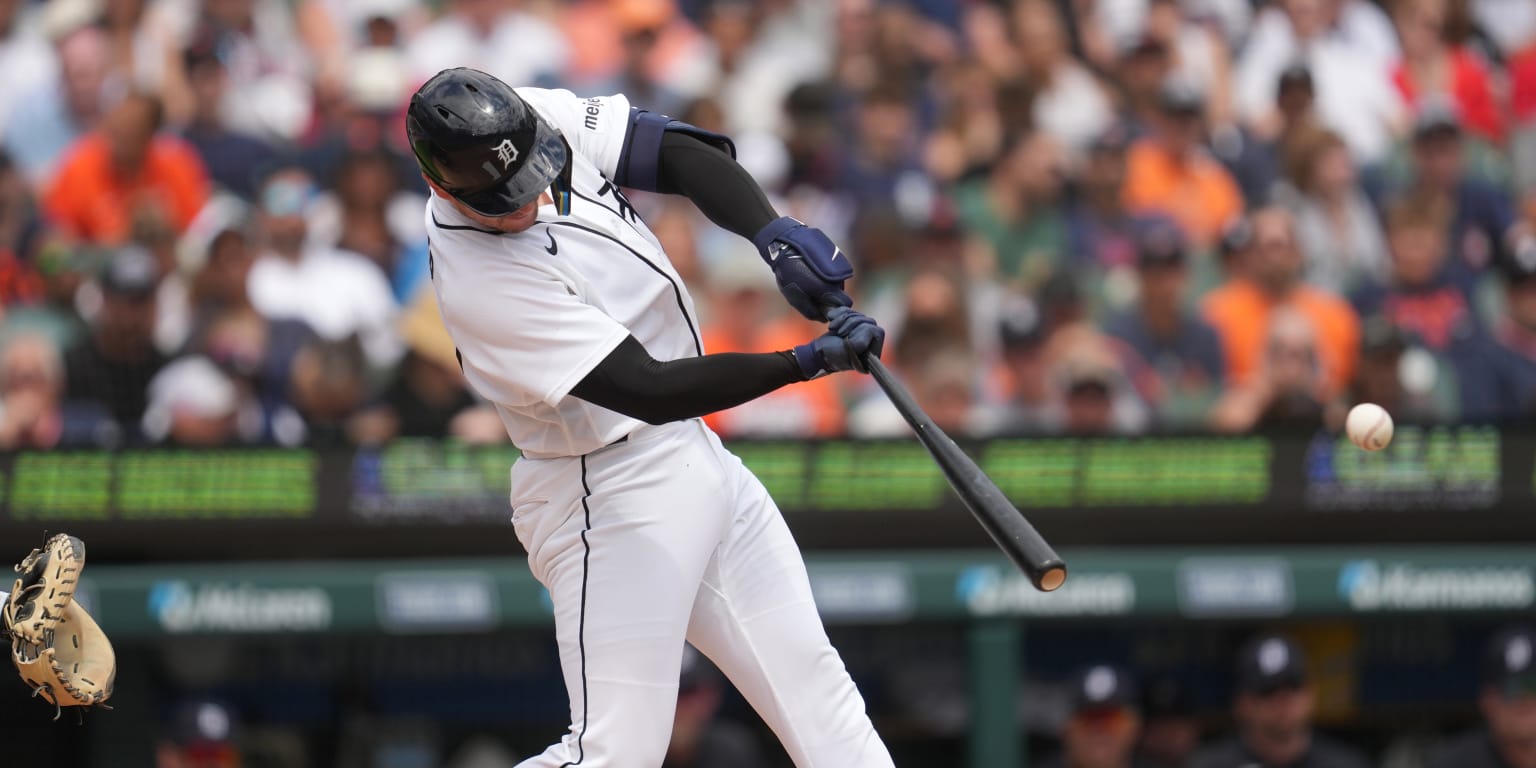
James Outman's go-ahead single in the sixth inning Saturday lifted Detroit past Chicago 4-1, extending the Tigers' recent run and trimming their AL Central gap to 7.5 games. The hit mattered less for what it was—a first-pitch slider driven through the right side—than for when and how it arrived: as a defensive sub who'd stepped in for a pinch-hitter that drew boos moments earlier. The swap exposed both Detroit's commitment to platoon advantage and its current vulnerability when that strategy backfires.
Kerry Carpenter started against lefty Sean Newcomb despite Detroit's track record of aggressive bench usage in favorable matchups. Manager A.J. Hinch pulled him for Jahmai Jones in the fourth with bases loaded and a righties-hunting Joe Rock entering. Jones struck out. The crowd's response was sharp enough to register as a turning point—not because one at-bat defines a season, but because it captured the stakes. These are the moments that compound pressure on front offices already managing a playoff chase from behind. The Tigers are mining every edge in platoon splits, pitcher handedness, and leverage situation, the same toolbox that produced the 2024 Wild Card run.
Outman entered Saturday having gone 8-for-67 with 32 strikeouts against lefties since 2024—a 119 wRC+ disaster in a split that should scream avoidance. His go-ahead hit was the kind of variance spike that feels redemptive in real time but rarely repeats. Dingler's two-out RBI single in the fifth and his subsequent 430-foot homer completed an offensive sequence that looked less like sustained execution and more like a desperate team cashing in on White Sox miscues (including Braden Montgomery's throwing error). The Tigers' path to October hinges on stringing together more of these clustered sequences, not individual exceptions.
For prop bettors, the angle is structural rather than directional. Detroit's reliance on bench depth and platoon matchups inflates volatility in player-prop pricing, especially for second-division hitters rotated in and out of the order based on pitcher handedness. Jones's projected strikeout rate against lefties should climb sharply in any subsequent appearance—his last year's 32.8% K-rate against southpaws remains a reliable baseline despite Saturday's result. Outman's performance against lefties remains a fade until the sample size shifts; one hit doesn't reverse 67 plate appearances of evidence. The broader takeaway: Tigers games will feature elevated uncertainty in bench-bat lines because Hinch's willingness to activate and deactivate players on a per-matchup basis creates mismatches between public perception (based on season-long splits) and actual deployment (optimized for immediate advantage). That volatility favors bettors who track Detroit's opponent rotation and isolate when depth is pushed into leverage spots against the pitcher types they historically struggle against.