Orioles Break the Inertia: Camden Yards Homestand Signals Trajectory Shift
By Ty Whitney ·
Baltimore's 7-3 homestand wasn't just a winning streak—it was a fundamental reset after a May collapse that threatened to derail the season before June.
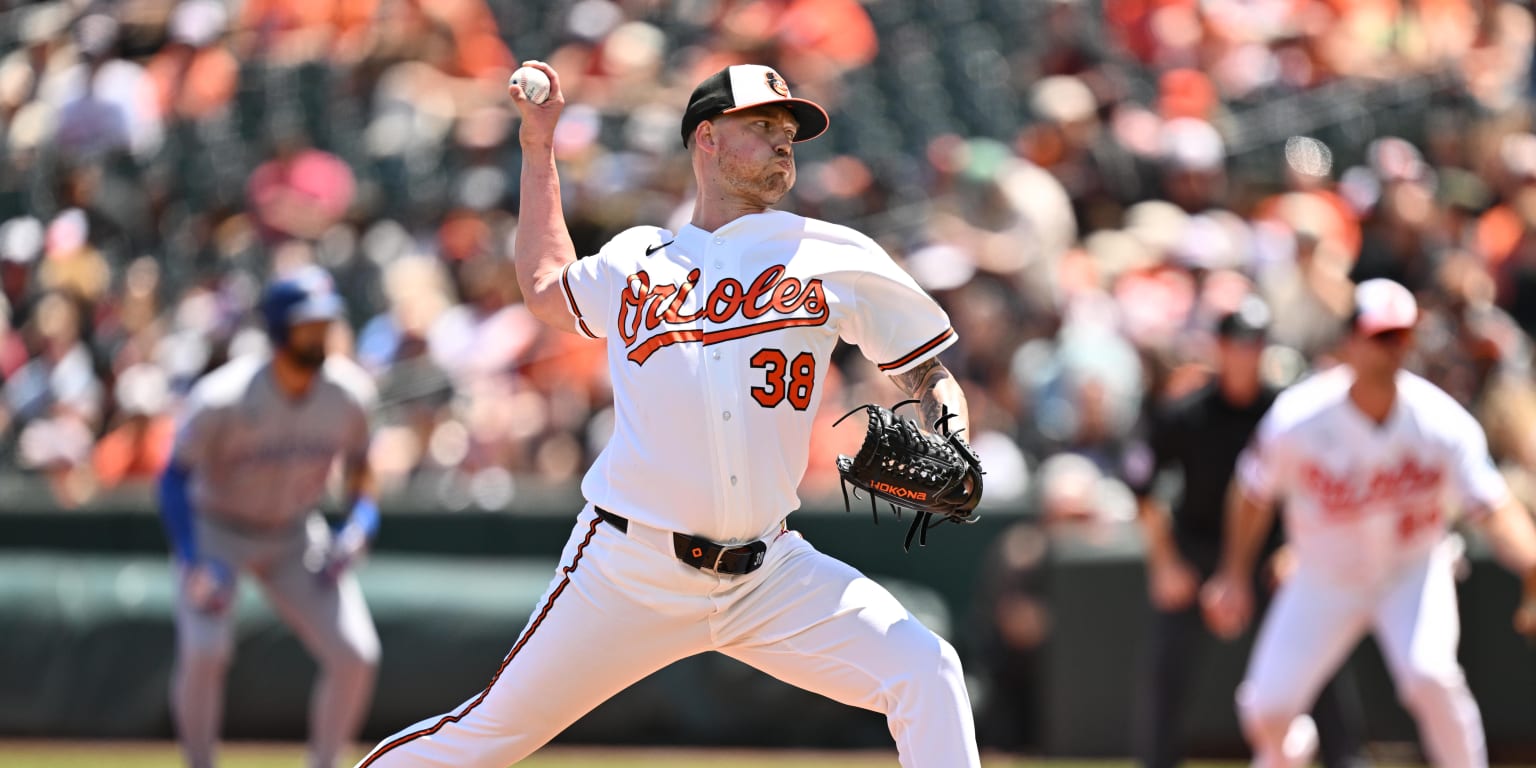
The Orioles finished their 10-game homestand at Camden Yards with a 9-5 win over Toronto on Sunday, closing out what may be the most consequential week-plus of their season. When they arrived home on May 22 after a sweep at Tampa Bay, Baltimore had cratered to eight games below .500—a nadir that invited comparisons to last year's mid-May implosion. Instead, they posted a 7-3 record across the stretch, including a two-game swing against the Blue Jays to close the series after dropping the first two contests. The shift wasn't cosmetic. It was anchored by concrete performance improvements, particularly in the starting rotation and one specific hitter entering a measurable power run.
Kyle Bradish has been the rotation's catalyst. The 29-year-old right-hander posted a 5.03 ERA through his first seven starts, then inverted the narrative entirely: a 1.72 ERA with a 3.50+ strikeout-to-walk ratio over five consecutive outings, four of which qualify as quality starts. On Sunday, he delivered again—one unearned run on four hits and three walks with four strikeouts across seven innings. The path is clear: Bradish was absorbing too much damage early in counts (evidenced by the walk rate early in the season), and either a mechanical correction or increased fastball conviction has locked him in. This pattern typically sustains because it reflects a real adjustment, not a hot streak. A pitcher doesn't drop from 5.03 to 1.72 ERA on randomness; he changes something about how he's executing.
Colton Cowser's home run production accelerates the equation. The 26-year-old outfielder has launched four homers since May 17—three of them walk-off shots that decided games. His Sunday three-run blast against Toronto pushed Baltimore's lead to 6-0, the product of three home runs across the homestand alone. Cowser's exit velocity profile and barrel rates have been stable all season, but May's game-situation context shifted dramatically: he went from sporadic power to clutch-moment power, and those moments are compressed enough (9 days, 4 home runs) that they reflect hot hitting within a larger structural opportunity—he's getting fastballs in elevated zones with men in scoring position, a recipe that persists only if pitchers continue to attack him that way. For now, scouting reports and opposing game-plans typically lag by a week or two; the market may not yet have adjusted to Cowser as a primary power threat.
The betting implication centers on Baltimore's offensive props for the next two weeks. Orioles team totals have likely ticked upward modestly after the homestand—sportsbooks will have moved from, say, 4.0 to perhaps 4.2-4.3 runs—but the composition of that adjustment is key. If the movement has been incremental and hasn't fully internalized Cowser's new usage pattern or Bradish's role as a quality-start anchor that reduces early-inning deficits, unders on the team total remain vulnerable. The Orioles' next six games (Boston, Toronto) pit them against AL East opponents who have seen tape on both Cowser's recent approach and Bradish's new delivery adjustments, which means some inefficiency will fade. However, if Cowser's hot-hand bias persists for 3-4 more games, the sportsbook's line-move will appear conservative in hindsight. A sharper angle: fade overs on Baltimore team totals until the market prices Cowser's power trajectory at full weight, likely after one more week of sustained performance.
The broader organizational signal matters too. Alonso's walk-off hit on Saturday night and the general clutch execution (5-run ninth-inning comeback, multiple walk-off moments) suggest a team that has moved past the May panic that defined last season's trajectory. That confidence translates into late-game leverage situations where Baltimore stays aggressive in counts—more fastballs, fewer off-speed pitches designed to nibble. Opposing pitchers facing a 6-0 deficit at home tend to accelerate their pace and flatten their stuff. Over props (strikeouts, walks) for both Baltimore hitters and opposing starters should tighten toward the under as a result of the psychological shift, not a mechanical one.