Baltimore's Comeback Machine Thrives in Extra Innings as Trade Deadline Reshuffles
By Erik Schwartz ·
The Orioles erased a seven-run deficit to stun Detroit in 12 innings, signaling offensive depth that complicates deadline math for a team hovering near .500 with three months left.
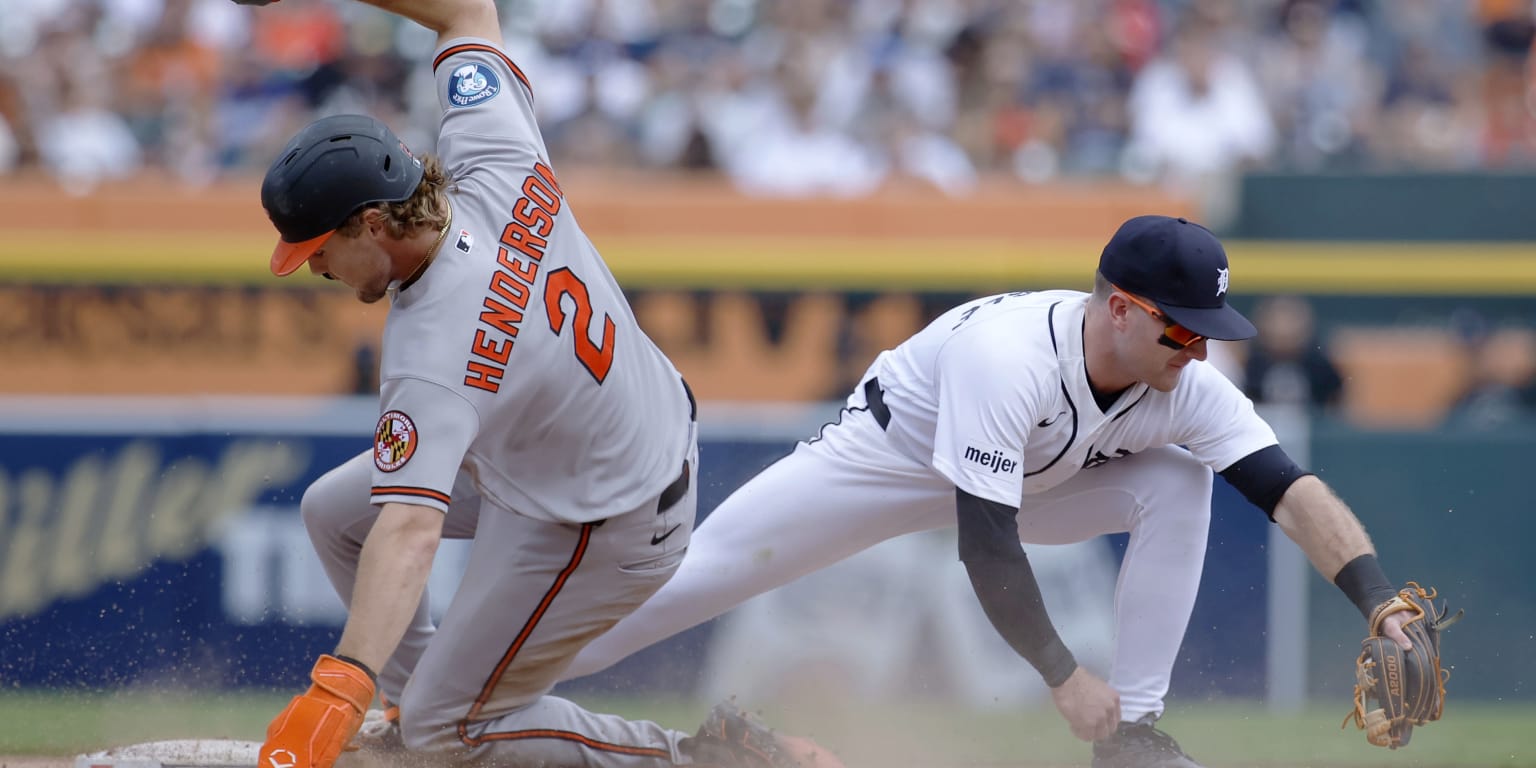
The Orioles pulled off their largest comeback in 17 years on Wednesday, rallying from down 7-0 to beat the Tigers 10-9 in 12 innings at Comerica Park. Tarik Skubal had been brilliant through six innings—a shutout bid on 92 pitches—but the Baltimore offense unraveled the entire game in the seventh, eighth, and beyond. Coby Mayo's go-ahead two-run triple in the eighth provided the emotional fulcrum, but it was Colton Cowser's clutch two-out single in the 12th that closed it out. The comeback was Baltimore's first since erasing a nine-run deficit against Boston on June 30, 2009—a 17-year gap that underscores just how rare this kind of collapse-and-recovery actually is.
The mechanics of the rally revealed something the Orioles' front office has been quietly constructing: a bench with legitimate two-strike-count maturity and situational firepower. Jackson Holliday and Taylor Ward both drove in runs off relievers in the seventh-inning explosion. Mayo delivered his first career triple at a moment when the game hung in complete balance. Yohel Pozo manufactured a go-ahead sac fly in the 11th. This wasn't lightning-in-a-bottle chaos—it was a roster with enough complementary bats that when the top order faltered, the second line of offense kept pressure on. The Tigers' bullpen cycled through four relievers after Skubal exited, and none could thread the needle.
At 53-56, Baltimore sits three games below .500 with just over two months remaining. That record masks the underlying offensive consistency: the Orioles have built depth that allows them to weather bad individual performances and mount comebacks that most teams simply can't execute. The deadline—now less than a week away—will test whether the front office believes in this roster enough to hold, or whether they view this comeback as proof that incremental upgrades can push them toward a wildcard spot. The cost of adding a bat or arm versus the confidence in their current bench depth becomes a real organizational calculation.
For betting purposes, this game carries a noise warning and a signal. The noise: one 12-inning game doesn't reprogram a team's over/under pattern. The signal: the Orioles' ability to manufacture offense deep in games and in high-leverage spots suggests they'll be less vulnerable to late-inning unders than their .500 record implies. Teams with this kind of bench depth—multiple position players who can deliver timely hits—tend to win closer games at a higher rate than their run differential suggests. Over their next 10 games, expect the Orioles' moneyline to carry less chalk than usual, and game totals to price in a slightly higher likelihood of them clawing back into close contests. The Tigers, by contrast, just absorbed a loss that should reset expectations for their bullpen's ability to close out games they have in hand.