MLB · transaction
Orioles Complete Rutschman Trade; Prospect Haul Signals Long-View Rebuild Over Win-Now Moves
Baltimore lands a fourth prospect piece in the blockbuster with Red Sox, but the deal's architecture reveals a front office betting on youth development rather than immediate contention.
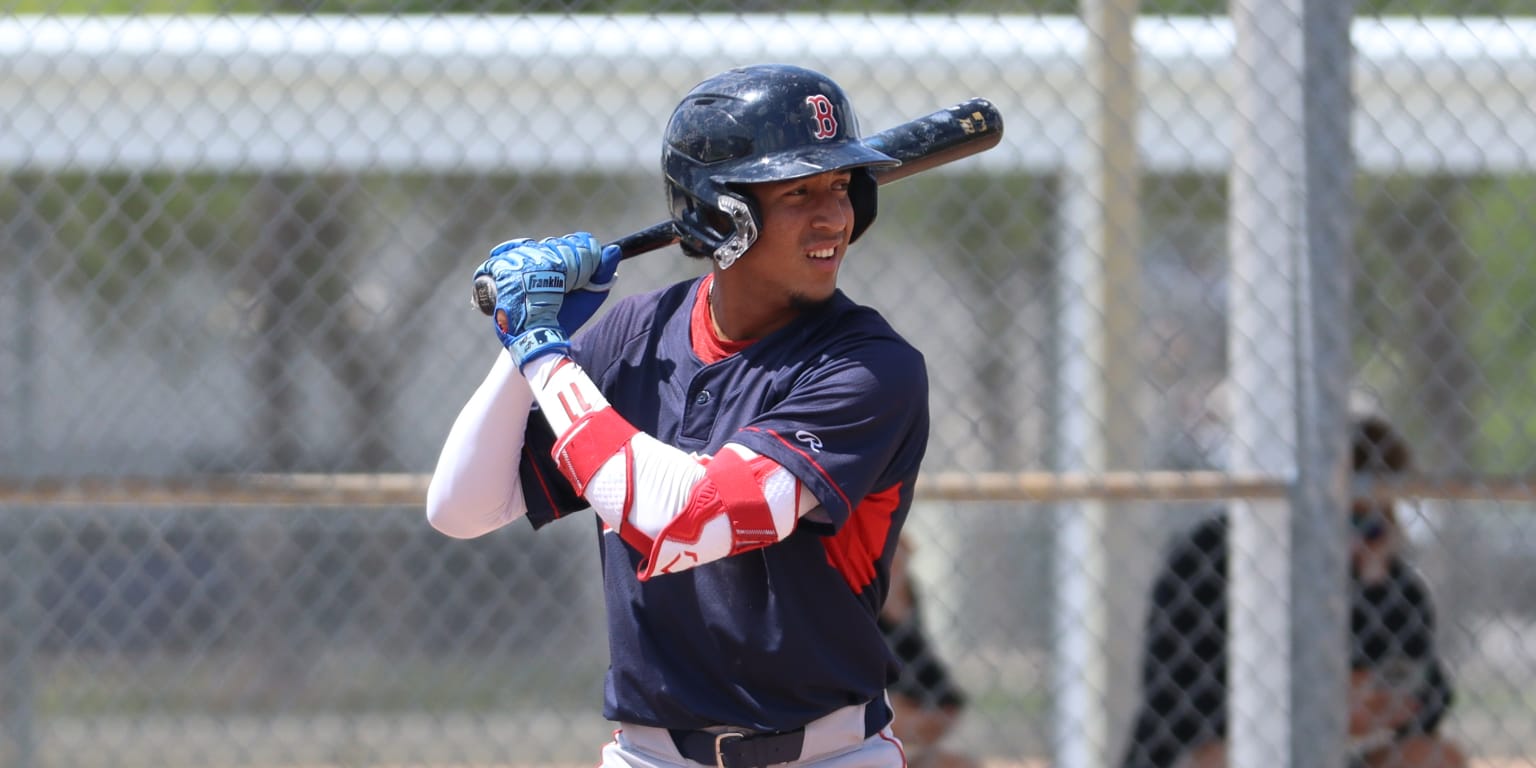
The Orioles completed their acquisition of 18-year-old outfielder Harold Rivas from Boston on Wednesday, finalizing the seven-player blockbuster centered on catcher Adley Rutschman. Rivas, ranked No. 32 in the 2025 international signing class and Boston's No. 13 prospect before the deal, joins Baltimore as the organization's No. 26 prospect. The Venezuelan native carries an intriguing speed profile—60-grade wheels that have produced 23 stolen bases in 28 attempts across 46 games at Rookie ball—though his offensive foundation remains raw: .241/.772 OPS with six home runs.
The trade's deeper architecture tells the story. Baltimore received four prospect pieces for Rutschman: Rivas, right-handed pitchers Anthony Eyanson and Kyson Witherspoon (the Orioles' No. 1 and No. 7 prospects, respectively), and outfielder Enddy Azocar (No. 8). That distribution—four of the top eight prospects in the system for one player, even an elite young catcher—reinforces that the Orioles are investing in a multi-year development cycle rather than attempting to close a window in 2026. At 58-62 and two games outside a Wild Card spot, Baltimore's roster construction already reflected patience. This deal solidifies that posture.
Rutschman's Red Sox debut came Tuesday after three weeks on the injured list with left wrist inflammation. He went 1-for-3 with two walks in a loss to Toronto, then was activated ahead of Wednesday's games. The immediate performance—a walk-heavy at-bat in his first appearance—suggests the wrist concern resolved, though early-season cautious contact rates are noise after an injury absence. Boston, which traded away Rutschman and catcher Jake Rogers (designated for assignment), sits at 64-55 with the second AL Wild Card. That pitching capital flexibility—unloading a catcher prospect haul to clear payroll and add controllable arms—indicates confidence in their bullpen and rotation depth for the final seven weeks.
For bettors tracking Baltimore's trajectory, the prospect influx signals management expects 2027-2028 relevance, not 2026 championship timing. That has immediate consequences for team totals and playoff-window thinking. The Orioles' win total was likely set assuming some incremental development of existing position players; instead, the front office is banking on Eyanson and Witherspoon maturing in the minor-league system while Rivas' speed and upside take time to translate. Over the next 30 days—the stretch run before September call-ups—Baltimore's roster composition doesn't change, but the organizational signal is clear: trust the youth pipeline. For books that haven't yet adjusted Orioles season-win projections downward, this trade is the moment to do so. The team wasn't built to contend in 2026; it was built to acquire assets for later. Fade any optimism on Baltimore stretching for a playoff spot this year.
Rutschman's availability in Boston is a separate angle. Early return from wrist inflammation often produces a 10-to-15 game adjustment period where contact rates dip and strikeout rates spike. If Rutschman sees regular action over the next two weeks, monitor his K% and contact metrics for a potential market overreaction to his debut walk rate. Red Sox catcher production props should incorporate caution through late August.
MLB Intelligence — Baseball intelligence beyond the box score. Open MLB Intelligence →