Braves' Injury Cascade Forces Olson Into Right Field—and Signals Depth Crisis for Atlanta's Title Window
By Erik Schwartz ·
Matt Olson played right field for the first time in nine years Wednesday, a desperate lineup shuffle that exposes how thin Atlanta's roster has become.
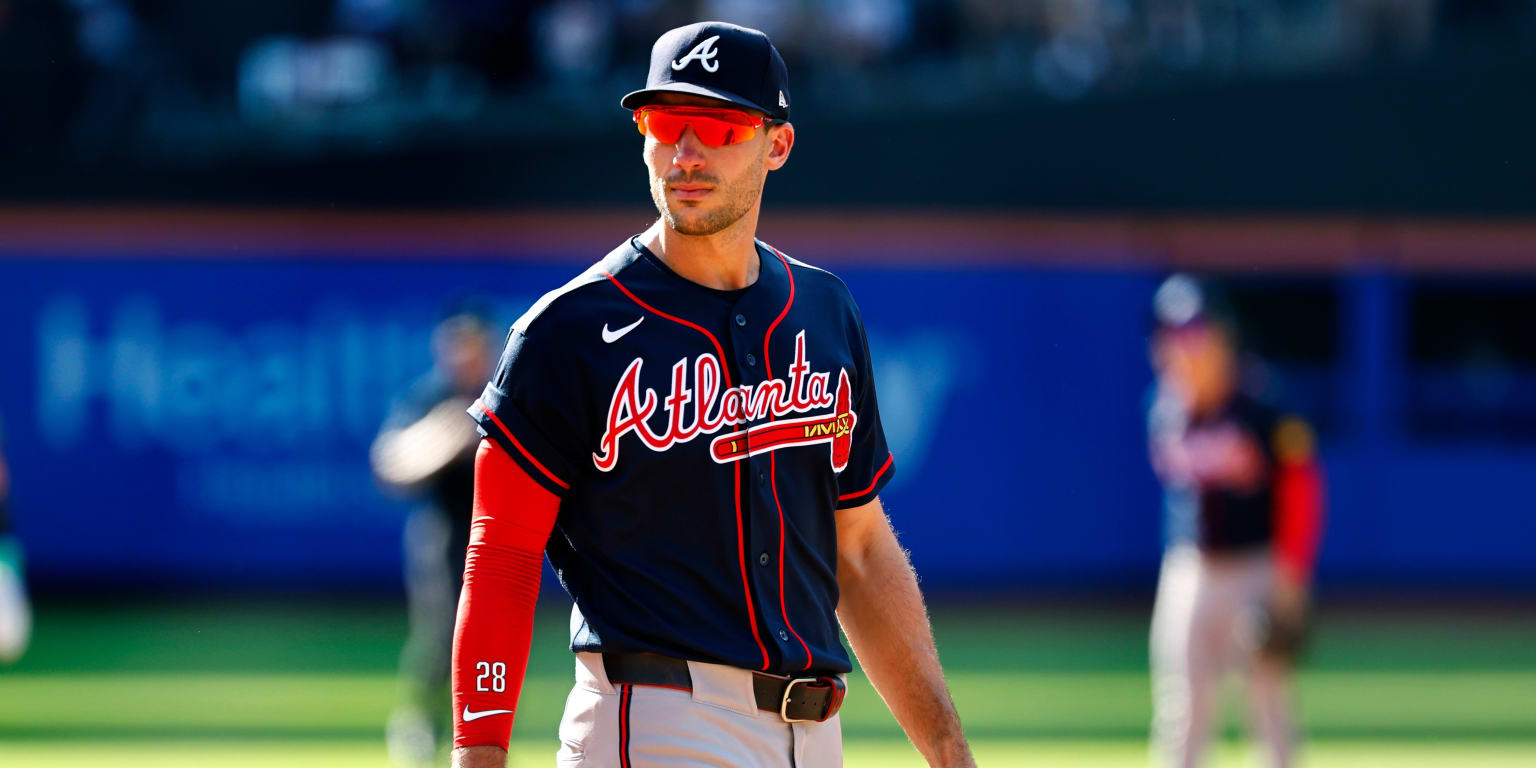
For the first time since August 21, 2017—nearly nine years ago—Matt Olson took the field at a position other than first base in an MLB game. On Wednesday, the Atlanta star moved to right field in the ninth inning of a 7-5 loss to San Francisco, a defensive repositioning born purely out of necessity rather than strategic preference. The Braves' injury list has become a roster crisis: Ronald Acuña Jr. on the shelf with a hamstring injury, Michael Harris II sidelined by back tightness, and manager Walt Weiss forced to cycle through four pinch-hitters in a single game just to field a competitive lineup.
The shuffling cascade that preceded Olson's outfield cameo illustrates the depth problem. Weiss pinch-hit Rowdy Tellez for Ha-Seong Kim in the eighth inning, a sound strategic move against a righty. But Tellez is exclusively a first baseman, which meant Kim had already moved to shortstop after Dom Smith entered for starting shortstop Jorge Mateo. That domino effect pushed Mauricio Dubón from center field to short, Eli White from the bench into center, and Mike Yastrzemski from right to left. Weiss considered moving Olson to third base—his high school position—but decided right field kept Atlanta's best hitter away from heavy action. "I think it's better to keep him away from the action by having him in right field," Weiss said. "Look, he's a great athlete. I knew he'd handle himself."
The Braves remain atop the NL East and own baseball's third-best record, but that record masks a troubling recent trend: they've gone 1-6 over their last seven games while managing absences from Spencer Strider (pitcher), Tyler Kinley (reliever), Sean Murphy (catcher), and multiple others from the 40-man roster. Acuña's hamstring injury is particularly damaging—he's Atlanta's most dynamic run-creation asset. Harris's back issue compounds the outfield depth problem. Even when healthy, the Braves' bench is thinner than a contender wants heading into summer, and the current injury list has forced Walt Weiss into extreme measures just to complete a game.
For bettors, this signals two overlapping edges: First, Braves team totals should compress meaningfully in the coming days, especially in road games where they can't lean as heavily on injured players' late-inning rest. The loss of Acuña removes approximately 0.3 runs per game from their expected output alone; Harris and Murphy remove another 0.15 combined. That's roughly a quarter-run drop in run production, which on a 4.5-run baseline becomes a material swing on whether Atlanta clears 4.0 in a seven-inning sample. Second, expect opposing team totals to tick higher until the injury list contracts. San Francisco pushed two runs across against a visibly disorganized Braves defense in the ninth; that's the baseline for how exposed Atlanta becomes when forced into emergency realignments. A healthy opponent facing a jury-rigged Atlanta lineup will punish them at run-creation rates closer to 5.0 than 4.5.
Olson's right-field appearance is the clearest visible signal that Atlanta's depth—while respectable on paper—is now bottlenecked by circumstance. He remains one of the game's elite first basemen, a three-time All-Star and three-time Gold Glove winner. But when a contender's third-best hitter is logging innings in an unfamiliar position just to keep the lineup vertical, the margin for error has shrunk sharply. The Braves will likely get Acuña and Harris back within the next 2-3 weeks, but until then, their run-scoring ceiling is depressed and their defensive integrity is compromised. That's a bet-sizing problem for Atlanta backers.